

According to the American Veterinary Medical Association, surgical sterilization procedures such as ovariohysterectomy are among the most common elective operations performed on domestic canines, making post-operative wellness management a crucial subject for responsible guardians. Bringing a companion animal home after an abdominal operation requires a structured approach to healing, comfort, and safety. Every stage of recovery demands close attention from households aiming to provide optimal support during the healing window. Understanding the physiological processes at play helps caretakers distinguish normal post-surgical lethargy from potential complications requiring immediate clinical evaluation.
💡 Pet Care Key Takeaways:
- Core Focus: Practical health, nutrition, and wellness guidelines for Dog Care After Spay Surgery.
- Target Scope: Pet owners, animal caregivers, and veterinary support staff.
- Best Recommendation: Maintain consistent daily routines and consult an accredited veterinarian before introducing major diet or medical changes.
Proper recuperation management directly influences how smoothly a female canine returns to daily routines without setbacks. Transitioning from the sterile clinical environment to a domestic setting involves preparing quiet spaces, managing prescribed schedules, and monitoring physical changes closely. While modern surgical techniques minimize tissue trauma, internal healing still requires strict activity restriction and careful observation. Establishing clear routines early in the recovery phase ensures that both the physical incision and internal tissues mend properly under controlled conditions.
Defining Ovariohysterectomy Recovery and Clinical Expectations
Post-operative canine recovery encompasses the physiological healing period following the surgical removal of a female dog’s reproductive organs, specifically the ovaries and uterus. This routine veterinary procedure closes the abdominal wall with internal sutures and secures the skin with external stitches, surgical staples, or tissue glue. Throughout the initial recuperation window, the body initiates complex tissue repair mechanisms while metabolizing residual anesthetic and analgesic medications administered during the hospital stay. Guardians must understand that visible surface closure represents only a fraction of the total healing process, as deep muscle layers require adequate time to regain structural integrity.
During the first twenty-four hours after the operation, residual effects from anesthesia frequently cause mild disorientation, intermittent whining, or subdued energy levels. Managing these early signs involves providing a warm, quiet, and low-traffic area where the animal rests undisturbed by household noise, other pets, or children. Hydration should be offered in modest amounts initially, preventing the gastrointestinal upset that sometimes follows general anesthesia. Keeping the recovery environment calm sets a positive baseline for the subsequent days of wound healing and physical rest.
Managing Physical Activity and Protecting Surgical Incisions
Restricting strenuous movement and protecting the abdominal incision from licking or trauma are the most critical components of successful post-operative management. Canines naturally desire to jump, run, and play once initial grogginess fades, yet vigorous exercise places dangerous strain on internal and external sutures. Caretakers must enforce strict leash-only bathroom breaks for at least ten to fourteen days, avoiding stairs, furniture jumping, and rough play sessions entirely. Confinement to a cozy crate, small room, or penned area often proves necessary for energetic breeds that struggle to regulate their own activity levels during healing.
Female canine sterilization involves the surgical removal of the ovaries and uterus, requiring a standard recovery period of ten to fourteen days during which strenuous physical activity must be strictly avoided to prevent incision complications. — American Veterinary Medical Association
Simultaneously, preventing self-trauma to the surgical site remains paramount for preventing infection or wound dehiscence, which is the premature splitting open of a surgical wound. Traditional Elizabethan collars, inflatable recovery rings, or protective surgical recovery suits serve as reliable physical barriers against licking, chewing, or scratching. Letting a dog roam unsupervised without a protective barrier for even a few minutes can result in lost sutures and secondary bacterial contamination. Regular visual inspections of the incision twice daily help detect early signs of redness, swelling, discharge, or missing closures before minor irritation escalates into a serious clinical concern.
Implementing Effective Recovery Protocols at Home
Establishing a reliable daily routine during the recuperation phase involves diligent tracking of medication schedules, dietary intake, and physical symptoms. Pain management is tailored by veterinary professionals to ensure the animal remains comfortable without experiencing adverse drug reactions. Caregivers must administer all prescribed anti-inflammatory or analgesic medications precisely according to professional instructions, never substituting or altering dosages without explicit veterinary confirmation. Introducing meals gradually with easily digestible food options helps prevent post-surgical nausea from escalating into prolonged digestive distress.
Best Practices and Common Pitfalls to Avoid During Healing
Avoiding common recovery mistakes ensures a swift and uncomplicated return to health for canine companions. A frequent error involves removing protective cones prematurely simply because the incision appears dry after a few days of healing. Internal tissue repair lags behind surface appearance, meaning sudden activity or licking can still cause internal strain or wound breakdown late in the recovery cycle. Additionally, bathing must be postponed until veterinary clearance is granted, as water exposure softens delicate healing skin and introduces moisture that encourages bacterial growth around sutures.
Post-operative pain management following routine sterilization procedures significantly improves physiological comfort, lowers stress hormone levels, and accelerates overall tissue healing when correctly administered under professional veterinary guidance. — International Association for Animal Pain Management
Pet Care & Wellness Overview Table
| Life Stage | Daily Activity Level | Key Nutrition / Care Focus |
|---|---|---|
| Puppy / Kitten | High (frequent short bursts) | High-protein growth diet & early socialization |
| Adult Companion | Moderate (30–60 mins daily) | Balanced maintenance nutrition & dental hygiene |
| Senior Pets | Low to Gentle (mindful walks) | Joint support (Glucosamine) & routine vet checks |
Images References


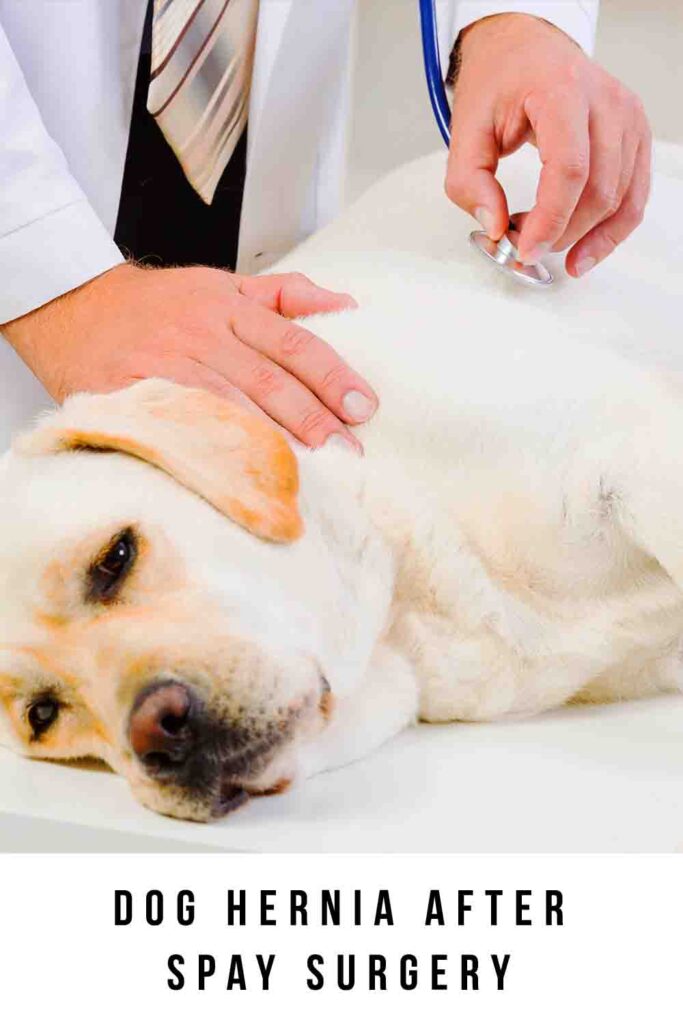
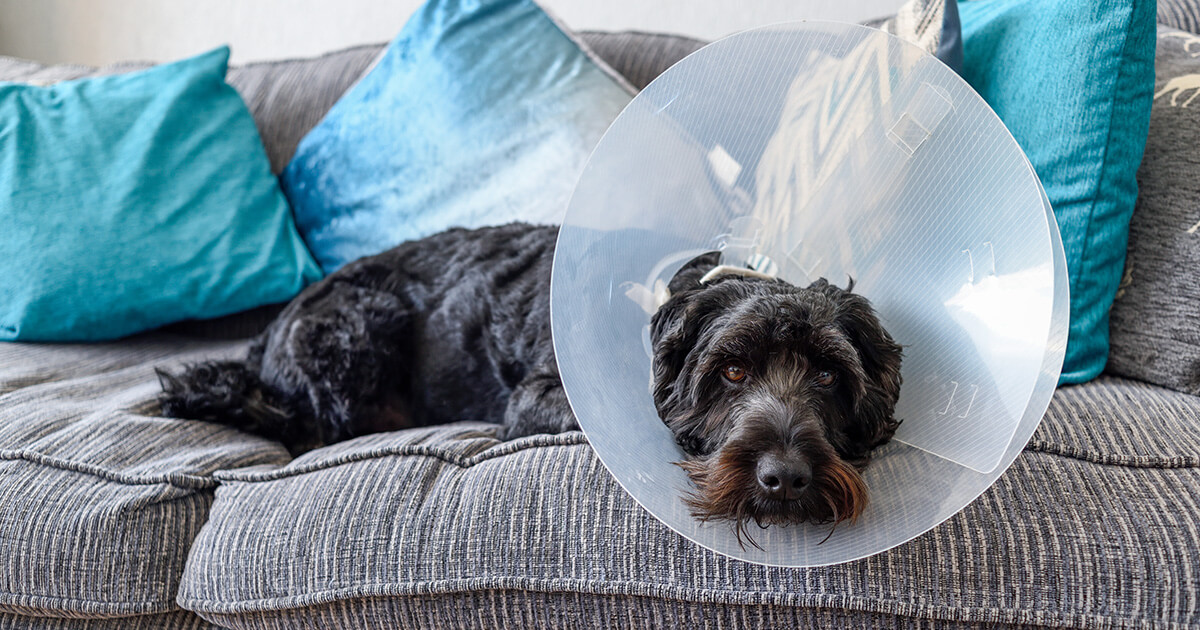
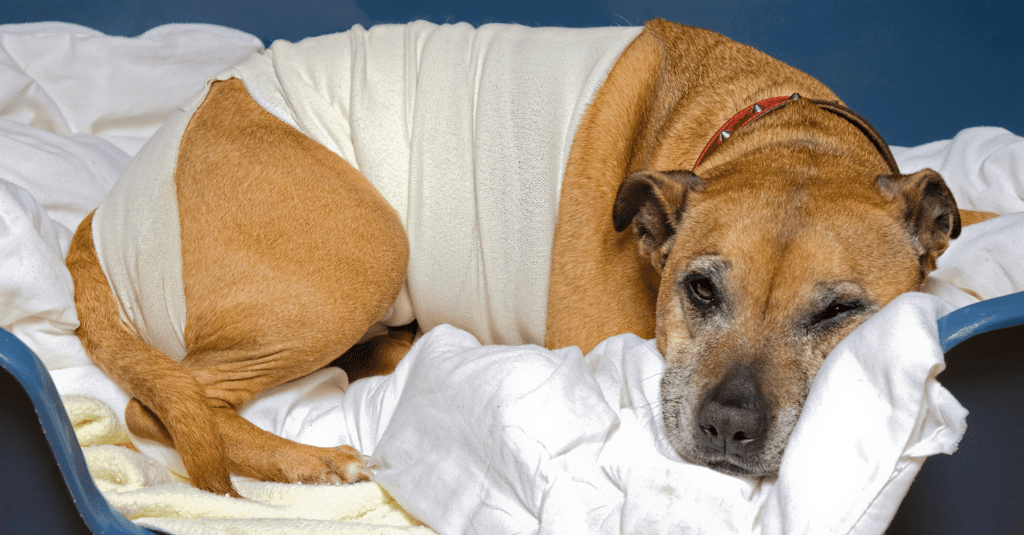
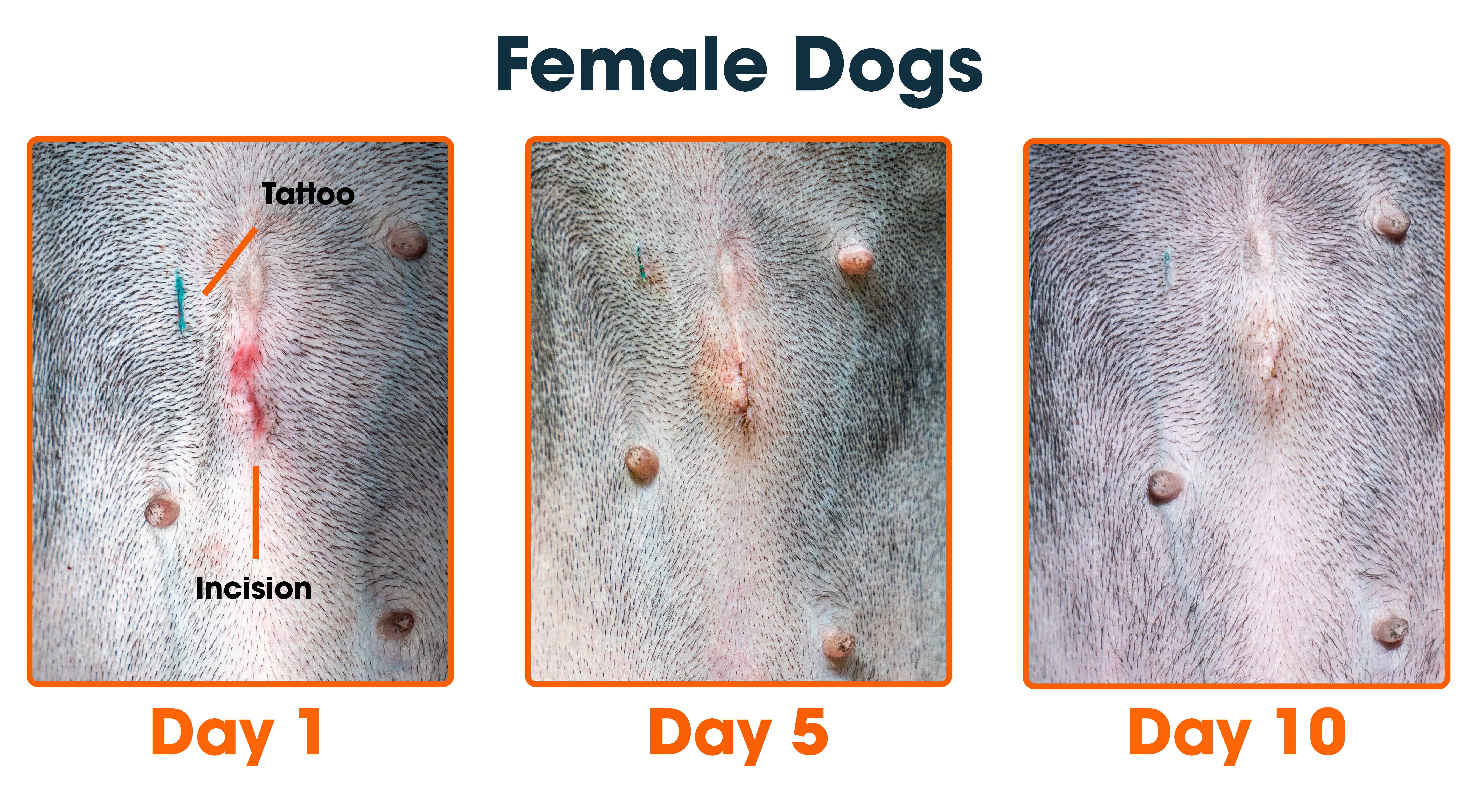
Maintaining detailed daily logs of body temperature, appetite, elimination habits, and behavior patterns provides valuable reference points during follow-up veterinary communications. If prescribed medications cause lethargy beyond normal expectations or noticeable gastrointestinal upset, prompt communication with the clinic prevents prolonged discomfort. Keeping the surgical zone clean and dry at all times eliminates environmental moisture risks that complicate routine wound management. Patience and consistency from the household remain the most valuable assets during these quiet, restricted weeks.
Addressing Individual Variations in Canine Recovery
Individual characteristics such as age, body size, breed temperament, and overall baseline health influence how a canine processes surgery and navigates the healing phase. Toy breeds and high-energy working categories present distinct management challenges, as smaller dogs often hide discomfort uniquely while active companions struggle severely with prolonged confinement. Senior canines or those with underlying metabolic conditions require carefully modified recovery plans that account for slower metabolic rates and delicate organ systems. Understanding these nuances helps households tailor environmental setups to match the specific physical needs of their unique pets rather than relying on generalized assumptions.
Temperament plays a substantial role in compliance with activity restrictions, particularly for working or herding groups that thrive on physical engagement. For dogs exhibiting frustration or anxiety due to confinement, mental enrichment activities like gentle puzzle feeders, obedience reinforcement without movement, or olfactory games provide safe outlets. Exploring resources on Dog Behavior and Dog Training offers insight into managing cognitive stimulation without physical exertion. Tailoring the recovery environment to match the psychological and physical profile of the dog ensures a safer, more harmonious healing experience for the entire household.
Recognizing Warning Signs and Consulting Veterinary Professionals
Prompt veterinary consultation is essential whenever unexpected physical or behavioral symptoms arise during the post-operative recovery window. While mild lethargy and decreased appetite are typical during the first twenty-four hours, persistent vomiting, complete refusal to eat, extreme restlessness, or visible pain require immediate clinical assessment. For suspected poisoning, difficulty breathing, seizures, collapse, severe bleeding, or other potentially urgent conditions, contact a veterinary professional immediately. Never attempt to administer human pain relievers, over-the-counter medications, or home remedies, as numerous common substances are toxic to canines and can cause severe organ damage.
Guardian vigilance should remain high throughout the full two-week healing duration, with immediate attention directed toward any sudden changes in incision appearance or body temperature. Abnormal swelling, foul-smelling discharge, continuous oozing of blood or serum, and gaping wound edges indicate potential infection or structural failure requiring veterinary intervention. Reviewing resources on Dog Health and Dog Care helps households maintain informed, proactive standards of wellness support. Partnering closely with a trusted veterinary clinic ensures that any post-surgical anomaly receives prompt, professional evaluation tailored to the individual patient.
Supporting Long-Term Canine Wellness and Vitality
Successfully navigating the post-operative recovery phase lays a strong foundation for a lifetime of health, comfort, and vitality alongside a cherished canine companion. As stitches are removed and normal activity levels safely resume, households can gradually reintroduce regular exercise routines, social interactions, and nutritional programs tailored to altered metabolic needs. For further guidance on maintaining optimal canine health, explore resources across Dog Nutrition and discover comprehensive advice at PetsAnimalsWorld.com. Dedicated post-surgical care reflects a deep commitment to animal welfare, ensuring every companion enjoys a comfortable, safe, and vibrant life.


