
Understanding the Role of Bark Collars in Canine Management
Managing excessive vocalization is a common challenge for many dog owners, often leading to the consideration of various training tools. According to the American Society for the Prevention of Cruelty to Animals (ASPCA), barking is a natural form of communication, and understanding the root cause—whether it be boredom, anxiety, or territorial guarding—is essential before attempting to modify the behavior. Bark collars are devices designed to detect vocal cord vibrations or the sound of a bark, subsequently delivering a stimulus intended to interrupt or discourage the behavior. While these tools are marketed for their convenience, their application requires careful consideration of canine welfare, learning theory, and the potential for unintended behavioral consequences. Proper dog care involves addressing the underlying motivation for the noise rather than simply suppressing the sound itself.
💡 Pet Care Key Takeaways:
- Core Focus: Practical health, nutrition, and wellness guidelines for Dog Care Bark Collar.
- Target Scope: Pet owners, animal caregivers, and veterinary support staff.
- Best Recommendation: Maintain consistent daily routines and consult an accredited veterinarian before introducing major diet or medical changes.
Defining Bark Collars and Their Mechanisms
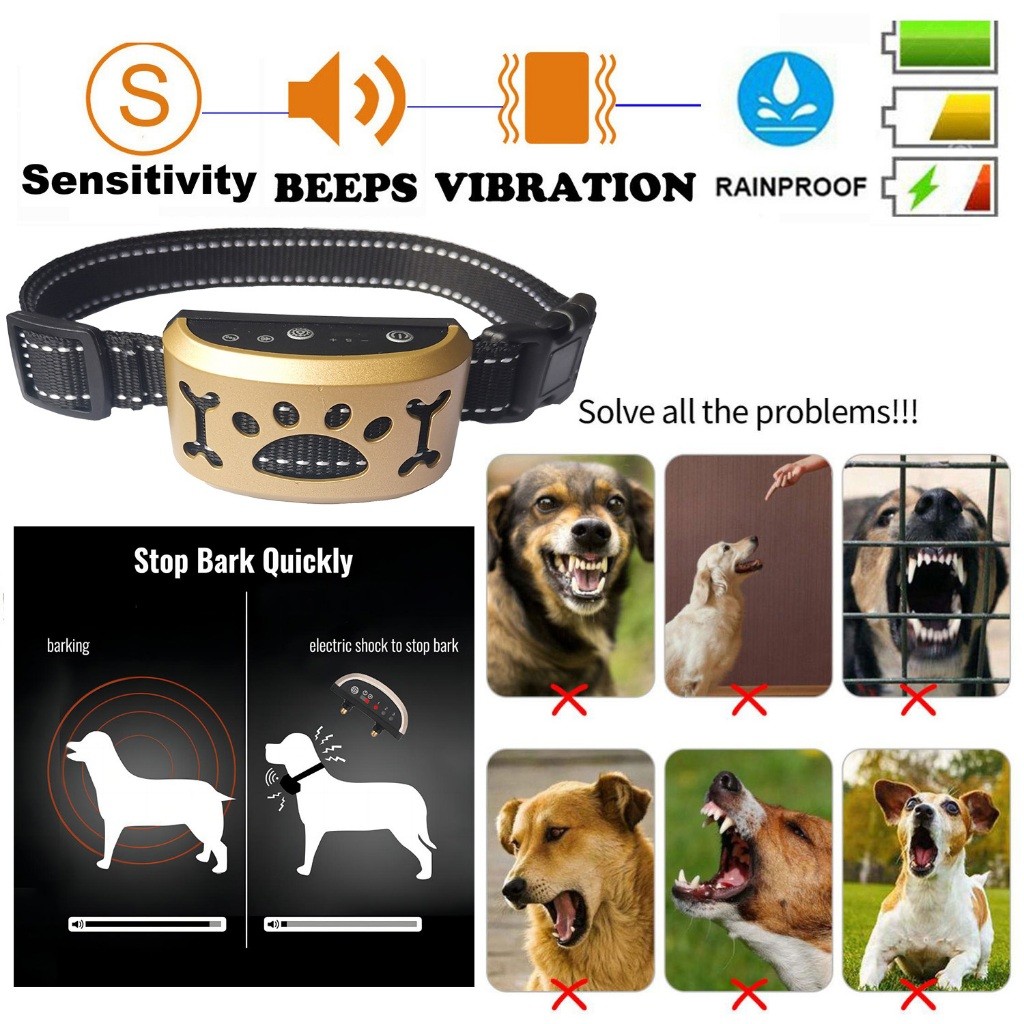
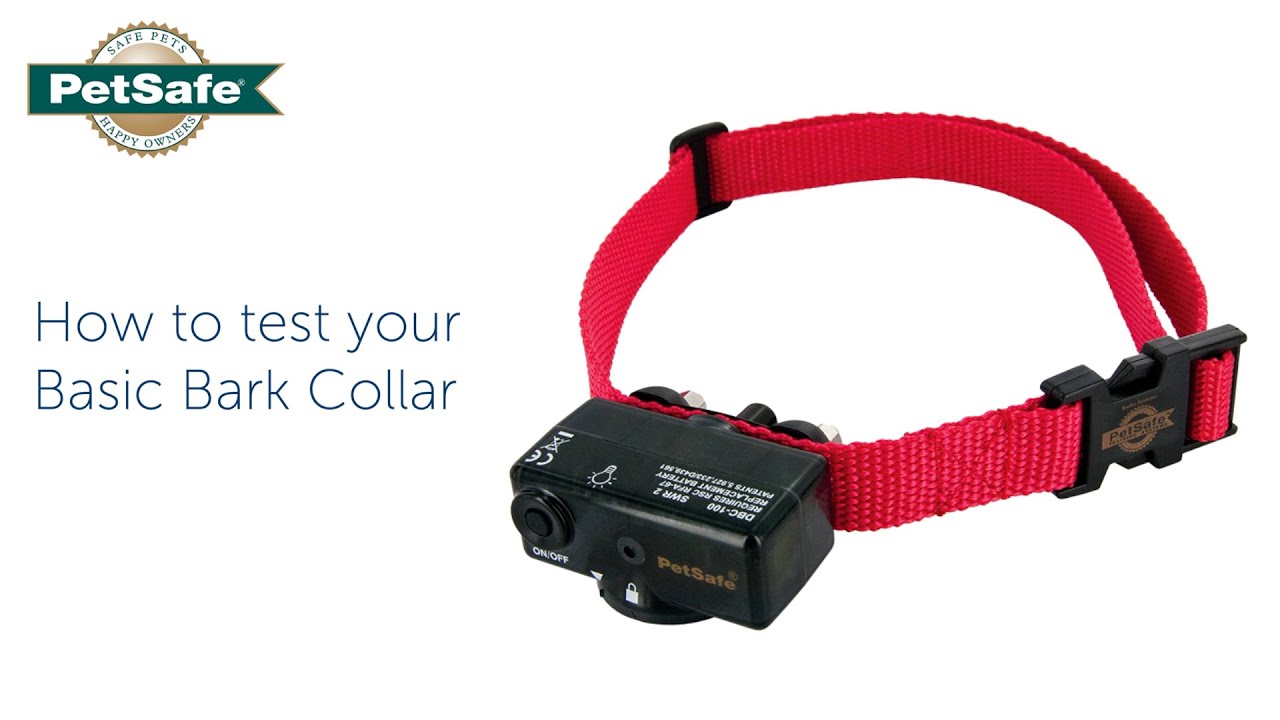
A bark collar is a specialized piece of equipment worn around a dog’s neck that provides an automated response to vocalization. These devices typically function through a sensor that detects either the physical vibration of the larynx or the acoustic frequency of the bark. Once triggered, the collar delivers a stimulus, which varies significantly by model. Some devices utilize citronella spray, ultrasonic sound, or vibration to serve as a distraction. Others, known as static correction collars, deliver a low-level electric impulse. The intended goal is to create an association between the act of barking and the onset of an aversive stimulus. However, because these devices operate without human intervention, they cannot distinguish between appropriate communication—such as alerting an owner to a genuine danger—and nuisance barking, potentially leading to confusion for the animal.
Behavioral and Psychological Implications
The use of aversive-based training tools can significantly alter the emotional state of a dog, often leading to increased anxiety or the suppression of necessary communication. When a dog is subjected to a stimulus that is perceived as frightening or painful, it may develop a negative association not just with the barking, but with the environment or the people present at the time of the correction. This can manifest as increased fear, avoidance behaviors, or, in some cases, defensive aggression. Instead of learning a desired alternative behavior, such as settling on a mat or engaging with a puzzle toy, the dog may simply stop vocalizing out of fear, which does not address the emotional distress that caused the barking in the first place. For more information on humane approaches, visit Dog Behavior.
The American Veterinary Society of Animal Behavior (AVSAB) recommends that training programs should focus on reinforcing desirable behaviors and removing the reinforcement for undesirable ones, noting that punishment-based methods can increase the risk of anxiety and aggression in pets. — AVSAB Position Statement
Humane Management and Training Alternatives
Effective, long-term solutions for vocalization issues rely on identifying the trigger and teaching the dog more appropriate ways to respond. If a dog barks due to separation anxiety, for instance, a collar will not solve the underlying panic and may even exacerbate the dog’s distress. Instead, owners are encouraged to focus on enrichment, such as increasing physical exercise, providing mental stimulation through scent games, and utilizing positive reinforcement to reward periods of quiet. By rewarding the dog for choosing to remain calm in the presence of triggers, such as the doorbell or passing pedestrians, owners can build confidence and desirable habits. Consistent, reward-based training fosters a stronger bond between the owner and the dog, grounded in trust rather than the avoidance of discomfort. Resources on effective methods can be found at Dog Training.
Best Practices and Common Pitfalls
One of the most significant mistakes in using any training aid is the failure to address the dog’s needs for social interaction and activity. Many dogs bark because they are under-stimulated or left alone for extended periods without engagement. Relying on a device to manage this behavior can result in a frustrated animal that still lacks the necessary outlets for its energy. Furthermore, inconsistent application—where the collar is sometimes worn and sometimes left off—prevents the animal from learning clear boundaries, often leading to increased confusion. Owners should prioritize environmental management, such as blocking views of the street if the dog is reactive to passersby, and ensuring the dog’s daily routine includes adequate physical and mental activity tailored to their life stage.
Positive reinforcement training, which involves rewarding desired behaviors with treats, praise, or play, is widely considered by behaviorists to be the most effective and humane method for teaching new skills and modifying unwanted behaviors. — ASPCA
Pet Care & Wellness Overview Table
| Life Stage | Daily Activity Level | Key Nutrition / Care Focus |
|---|---|---|
| Puppy / Kitten | High (frequent short bursts) | High-protein growth diet & early socialization |
| Adult Companion | Moderate (30–60 mins daily) | Balanced maintenance nutrition & dental hygiene |
| Senior Pets | Low to Gentle (mindful walks) | Joint support (Glucosamine) & routine vet checks |
Images References



Breed, Age, and Temperament Considerations
Every dog possesses a unique temperament and history that dictates how they respond to training interventions. High-drive working breeds may have a higher threshold for physical stimuli, meaning that a correction that is ineffective for them might be overwhelming for a more sensitive companion breed. Age also plays a critical role; puppies are in a developmental stage where they are learning to navigate their world, and punitive measures during this time can have lasting impacts on their socialization and confidence. Understanding the specific traits of a dog, whether it is a high-energy terrier or a sensitive hound, is vital for choosing an appropriate management strategy. Detailed insights into specific needs can be explored at Dog Breeds.
Seeking Professional Guidance
When vocalization becomes persistent, obsessive, or is accompanied by signs of extreme distress—such as self-mutilation, destruction, or pacing—it is imperative to seek professional assistance. A certified professional dog trainer or a veterinary behaviorist can perform a comprehensive assessment to determine if the behavior is motivated by medical issues, such as pain or cognitive decline, or behavioral conditions like separation anxiety. Veterinarians are essential in ruling out underlying health concerns that might cause a dog to vocalize more frequently. Never hesitate to consult with a professional if the situation feels unmanageable or if there is concern regarding the dog’s emotional well-being. Prioritizing the dog’s health and safety is the cornerstone of responsible pet guardianship.
Conclusion and Further Resources
Addressing excessive barking is a journey that requires patience, observation, and a commitment to humane practices. By focusing on the dog’s physical and emotional needs, owners can create a harmonious environment that allows their companions to thrive. For continued support in navigating the complexities of pet guardianship, explore the extensive articles available at Dog Care and Dog Health. For more information on creating a healthy and happy life for your canine companion, visit the homepage at PetsAnimalsWorld.com.


