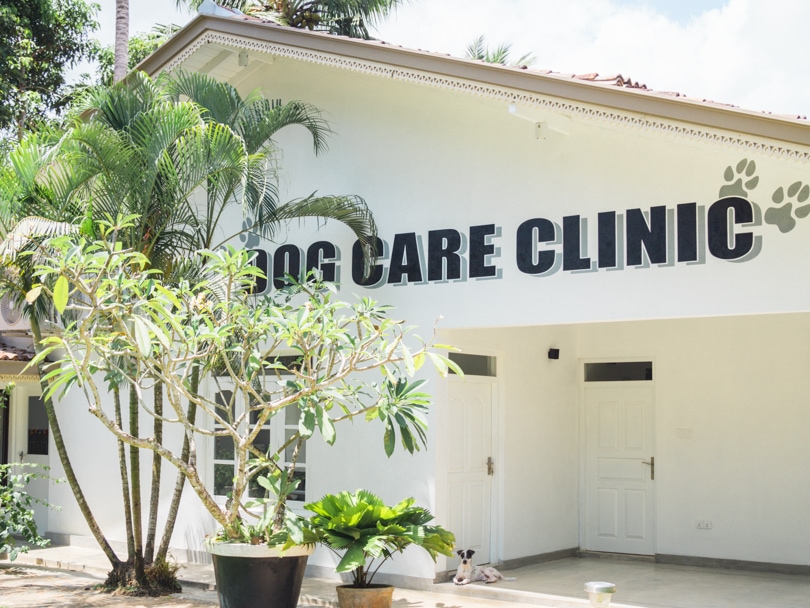
Preparing Canines for Overnight Success in Dog Care Boarding
Leaving a beloved canine companion behind during travel requires careful planning, and selecting a reliable professional facility is essential for peace of mind. According to the American Society for the Prevention of Cruelty to Animals (ASPCA), researching housing options well before a trip helps reduce stress for both the animals and the household. Modern pet care facilities have evolved significantly from traditional concrete runs, often offering enriched environments, climate-controlled sleeping quarters, and structured daily activities. However, navigating the myriad choices in professional pet lodging can feel overwhelming without a clear framework for evaluation.
💡 Pet Care Key Takeaways:
- Core Focus: Practical health, nutrition, and wellness guidelines for Dog Care Boarding.
- Target Scope: Pet owners, animal caregivers, and veterinary support staff.
- Best Recommendation: Maintain consistent daily routines and consult an accredited veterinarian before introducing major diet or medical changes.
Dog care boarding refers to temporary overnight accommodation services provided by professional facilities, veterinary clinics, or private pet hotels while guardians travel or manage emergencies. These establishments supply secure enclosures, regular feeding schedules, and supervised exercise periods to maintain a daily routine closely resembling home life. While traditional kennels primarily focused on basic shelter, contemporary lodging facilities frequently emphasize socialization, mental enrichment, and personalized attention to cater to the specific needs of modern companion animals. Understanding these distinctions allows owners to choose an environment that aligns with their dog’s temperament and physical requirements.
Defining Modern Dog Care Boarding Facilities
Comprehensive dog care boarding encompasses a continuum of services ranging from basic overnight shelter to luxury suites equipped with webcams and specialized physical therapy equipment. High-quality facilities prioritize sanitation, adequate ventilation, and strict disease control protocols to safeguard every guest against common pathogens. Staff members trained in animal husbandry observe each animal closely for subtle indicators of stress, changes in appetite, or physical discomfort. Facilities often categorize their offerings based on group play availability, individual enclosure sizes, and the level of human interaction provided throughout the day.
Evaluating the physical infrastructure of a potential facility involves inspecting sleeping areas, outdoor play yards, and isolation wards designed for animals requiring medical observation. Cleanliness standards should be exceptionally high, utilizing veterinary-grade disinfectants that eliminate infectious agents without posing chemical risks to sensitive paws and respiratory tracts. Furthermore, secure perimeter fencing with double-gated entry points prevents accidental escapes during transitions between indoor and outdoor zones. Transparency regarding daily schedules and staff-to-guest ratios remains a hallmark of reputable operations committed to high standards of Dog Care.
Understanding Behavioral and Physical Impacts of Lodging
Temporary relocation to an unfamiliar environment invariably triggers a physiological and emotional adjustment period for domestic canines. Novel sounds, unfamiliar smells, and the presence of numerous strange dogs can elevate cortisol levels, potentially manifesting as temporary decreases in appetite or mild sleep disruption. Professional attendants manage these environmental stressors through structured routines, predictable feeding times, and ample opportunities for decompression in quiet resting zones. Familiar items brought from home, such as a well-worn blanket or a favorite toy scented with familiar pheromones, often ease this transitional phase significantly.
Proper socialization protocols and facility cleanliness standards directly correlate with reduced physiological stress markers in temporary canine boarders. — American Veterinary Medical Association
Maintaining digestive stability during a stay requires careful coordination between owners and facility staff regarding Dog Nutrition. Sudden dietary changes combined with environmental excitement frequently precipitate gastrointestinal upset, making it vital to supply pre-measured portions of the regular diet along with clear feeding instructions. Staff members must monitor elimination habits closely to catch early signs of stress-induced colitis or dehydration. Clear communication concerning food allergies, resource guarding tendencies around bowls, and preferred feeding isolation ensures a safe dining experience for every guest.
Strategies for Selecting and Preparing for a Facility
Preparation for an upcoming stay begins weeks before the actual drop-off date through trial visits and updating preventative healthcare requirements. Reputable facilities universally require up-to-date vaccinations—typically including rabies, distemper, parvovirus, and specialized protection against canine infectious respiratory disease complex, commonly known as kennel cough. Establishing a proactive healthcare regimen in consultation with a primary veterinarian ensures the immune system is adequately prepared for communal living environments. Additionally, practicing short, positive separations helps build confidence in dogs prone to separation anxiety.
Touring facilities in person without the dog present allows guardians to ask critical questions regarding overnight supervision, emergency veterinary protocols, and exercise scheduling. Inquiring about specific measures taken during severe weather events or power outages reveals the preparedness of the management team. Owners should observe how staff interact with the animals in their care, looking for calm, positive reinforcement rather than punitive handling methods. Taking time to review facility contracts, cancellation policies, and liability agreements prevents misunderstandings during stressful travel periods.
Best Practices and Common Mistakes to Avoid
Avoiding common pitfalls ensures a smoother experience during dog care boarding transitions for both the animal and the family. One frequent mistake is over-packing unnecessary items; most facilities prefer simple, easily washable bedding and a predetermined amount of food rather than excessive toys that could become lost or trigger territorial behaviors. Another error is displaying visible anxiety or sadness during the final handover, as dogs easily read human emotional cues and may interpret hesitation as a sign of danger.
Gradual habituation to short separations and supervised group environments significantly lowers the incidence of maladaptive stress behaviors during overnight stays. — International Association of Animal Behavior Consultants
Pet Care & Wellness Overview Table
| Life Stage | Daily Activity Level | Key Nutrition / Care Focus |
|---|---|---|
| Puppy / Kitten | High (frequent short bursts) | High-protein growth diet & early socialization |
| Adult Companion | Moderate (30–60 mins daily) | Balanced maintenance nutrition & dental hygiene |
| Senior Pets | Low to Gentle (mindful walks) | Joint support (Glucosamine) & routine vet checks |
Images References


Maintaining an upbeat, calm demeanor during drop-off communicates security to the canine guest. Furthermore, owners should never skip the trial day or temperament assessment offered by most quality facilities, as this initial evaluation identifies whether an open-play environment suits the individual personality of the dog. Prioritizing structured acclimatization safeguards emotional equilibrium and prevents sudden behavioral crises while the family is away.
Individual Differences Across Breeds, Ages, and Temperaments
Individual responses to lodging environments vary extensively based on developmental stage, physical capabilities, and inherent behavioral traits associated with specific Dog Breeds. Adolescent dogs often possess boundless energy requiring rigorous physical outlets, whereas senior canines frequently demand orthopedic support, quiet resting spaces, and careful medication administration schedules. Brachycephalic breeds—dogs with shortened facial structures—require vigilant temperature monitoring during exercise to prevent respiratory distress in warm weather conditions.
Understanding the unique temperament of each animal dictates whether a bustling, open-play resort or a quieter boutique kennel with individual private yards provides the optimal setting. Highly social animals may thrive in communal playgroups, whereas reactive, fearful, or older dogs often experience profound relief in lower-density environments where human companionship takes precedence over canine socialization. Tailoring the lodging choice to the psychological profile of the individual prevents unnecessary distress and ensures a positive, safe experience.
When to Consult Veterinary Professionals or Behaviorists
Prior consultation with a licensed veterinarian or a qualified professional specializing in Dog Training becomes necessary when an animal exhibits severe separation anxiety, generalized fear, or aggressive reactivity toward humans or conspecifics. Traditional boarding facilities may not possess the specialized behavioral expertise required to safely manage extreme panic responses or barrier frustration. In such cases, professional behaviorists can help develop desensitization protocols or recommend private in-home pet sitting as a safer alternative to commercial lodging.
If a dog displays sudden behavioral changes, persistent loss of appetite, or signs of illness immediately following a boarding stay, prompt veterinary evaluation is essential to address potential underlying medical conditions or infectious concerns. For persistent behavioral challenges observed during transitions, seeking guidance from professionals utilizing humane, science-based methodologies ensures the emotional well-being of the animal remains protected.
Ensuring Peace of Mind Through Preparation
Navigating the complexities of professional pet lodging successfully relies on thorough research, proactive healthcare management, and an honest assessment of individual canine needs. By prioritizing safety, cleanliness, and behavioral compatibility, guardians can establish a reliable support system for travel and emergencies. To explore further resources on optimizing your companion’s lifestyle and well-being, visit PetsAnimalsWorld.com and discover additional guides dedicated to Dog Health and behavioral enrichment.