Understanding the Role of Collars in Daily Dog Care
The selection and proper utilization of a dog collar represent fundamental aspects of responsible pet guardianship, serving as both a primary tool for identification and a necessary component of safe handling. According to the American Kennel Club, a collar serves as the most important piece of identification a dog can wear, ensuring that contact information is readily available should a pet become separated from its home. Beyond identification, the collar facilitates basic management, allowing for the attachment of leashes for controlled movement in public spaces. Choosing an appropriate collar requires balancing safety, comfort, and the specific functional needs of the individual animal, as improper fit or incorrect usage can lead to discomfort, skin irritation, or behavioral resistance.
💡 Pet Care Key Takeaways:
- Core Focus: Practical health, nutrition, and wellness guidelines for Dog Care Collar.
- Target Scope: Pet owners, animal caregivers, and veterinary support staff.
- Best Recommendation: Maintain consistent daily routines and consult an accredited veterinarian before introducing major diet or medical changes.
Defining the Function of a Dog Care Collar
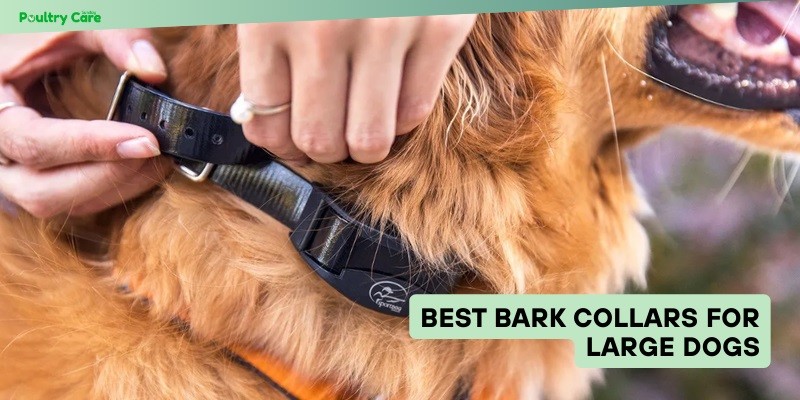
A dog care collar is defined as a wearable device designed to sit comfortably around a canine’s neck, providing a secure point for identification tags and a connection point for leash attachments during walks or training sessions. While the market offers a vast array of designs, including flat collars, martingale collars, and specialized harness attachments, the primary purpose remains consistent: to provide a reliable method for managing a dog while ensuring the animal’s physical safety. A well-fitted collar should allow for the insertion of two fingers between the material and the dog’s neck, ensuring that the device is snug enough to prevent slipping over the head but loose enough to avoid restricting breathing or causing pressure sores.
Health and Behavioral Implications of Collar Usage
The physical health and behavioral comfort of a dog are directly influenced by the type and condition of the collar worn. Consistent pressure against the trachea or the delicate structures of the neck can lead to long-term health concerns, particularly in breeds prone to respiratory issues. Furthermore, behavioral responses are often tied to the equipment utilized; a dog that experiences pain or discomfort from a restrictive collar may develop negative associations with leash walking or handling. Proper equipment selection is vital to maintaining a positive, stress-free Dog Behavior profile, ensuring that the animal feels secure rather than constrained or fearful during daily routines.
Properly fitted collars should allow for the insertion of two fingers between the collar and the dog’s neck to prevent respiratory constriction and skin irritation. — American Kennel Club
Managing Collar Care and Safety Standards
Effective management of a dog’s collar involves regular inspection for signs of wear, fraying, or hardware failure. Over time, environmental factors such as moisture, sunlight, and friction can compromise the integrity of synthetic or leather materials, potentially leading to breakage during an outing. It is recommended to check the condition of the buckle, D-ring, and stitching every few weeks. Furthermore, maintaining hygiene is essential; collars can accumulate oils, dirt, and moisture, which may contribute to localized dermatitis or foul odors. Regular cleaning, according to the manufacturer’s instructions, helps preserve the material and protects the dog’s skin from unnecessary irritation.
Best Practices for Equipment Selection and Maintenance
When selecting a collar, prioritize materials that are durable yet gentle against the coat and skin. For dogs with sensitive skin or short, fine fur, soft-padded collars are often preferable to harsh, abrasive materials. Avoid the use of punitive equipment that relies on pain or fear to control behavior, as these tools can exacerbate anxiety and damage the human-animal bond. Instead, focus on positive reinforcement methods that reward desired walking behaviors. Always ensure that the collar is removed when the dog is unsupervised or playing with other pets, as the collar can become snagged on objects or another dog’s jaw, creating a significant safety hazard.
Collars should be removed when dogs are left unsupervised or are playing with other dogs to prevent accidental strangulation or entrapment. — American Society for the Prevention of Cruelty to Animals
Pet Care & Wellness Overview Table
| Life Stage | Daily Activity Level | Key Nutrition / Care Focus |
|---|---|---|
| Puppy / Kitten | High (frequent short bursts) | High-protein growth diet & early socialization |
| Adult Companion | Moderate (30–60 mins daily) | Balanced maintenance nutrition & dental hygiene |
| Senior Pets | Low to Gentle (mindful walks) | Joint support (Glucosamine) & routine vet checks |
Images References




Considerations for Breed, Size, and Age
Individual characteristics such as breed anatomy, age, and temperament play a significant role in determining the most suitable collar for a dog. For instance, sight hounds with narrow heads and thick necks may require martingale collars to prevent the device from slipping off. Conversely, puppies require frequent adjustments to their collars to accommodate rapid growth, as a collar that was safe one month might become dangerously tight the next. Large, powerful breeds may benefit from wider collars that distribute pressure across a greater surface area, reducing the risk of localized injury during sudden movements. Exploring Dog Breeds specific needs can provide further context on selecting equipment that complements the physical build of a pet.
Professional Guidance and Veterinary Consultation
While general guidelines provide a framework for care, specific concerns regarding a dog’s reaction to a collar or persistent skin issues necessitate professional intervention. If a dog exhibits signs of distress, such as excessive scratching, head shaking, or refusal to move when the collar is attached, a veterinary examination is warranted to rule out underlying medical issues or contact allergies. Additionally, if a dog displays significant pulling or reactive behavior during walks, consulting a certified professional trainer is the most effective way to address the issue safely. Relying on expert guidance ensures that equipment choices support the physical and emotional well-being of the dog, rather than hindering progress.
Maintaining Quality Care for Your Companion
Providing excellent Dog Care involves a commitment to safety, regular assessment of equipment, and an understanding of the individual needs of a pet. By choosing appropriate tools and monitoring their condition, owners can ensure that their dogs remain comfortable and secure in all environments. For more information on enhancing the life of a canine companion, explore the comprehensive resources available at PetsAnimalsWorld.com, where readers can find guidance on Dog Nutrition, Dog Training, and overall Dog Health.