
Understanding the Value of Structured Canine Education
Education in canine maintenance transforms enthusiastic pet ownership into an informed, scientifically grounded partnership. According to the American Society for the Prevention of Cruelty to Animals (ASPCA), proactive guidance and structured instruction significantly improve long-term outcomes for domestic animals by reducing behavioral surrenders and enhancing household safety. Modern pet custodians often seek reliable educational pathways to decode canine communication, dietary requirements, and preventative medicine. Engaging with formal educational modules bridges the gap between well-intentioned affection and skilled stewardship, ensuring that animals receive optimal support throughout every life stage.
💡 Pet Care Key Takeaways:
- Core Focus: Practical health, nutrition, and wellness guidelines for Dog Care Courses.
- Target Scope: Pet owners, animal caregivers, and veterinary support staff.
- Best Recommendation: Maintain consistent daily routines and consult an accredited veterinarian before introducing major diet or medical changes.
Defining Structured Dog Care Courses
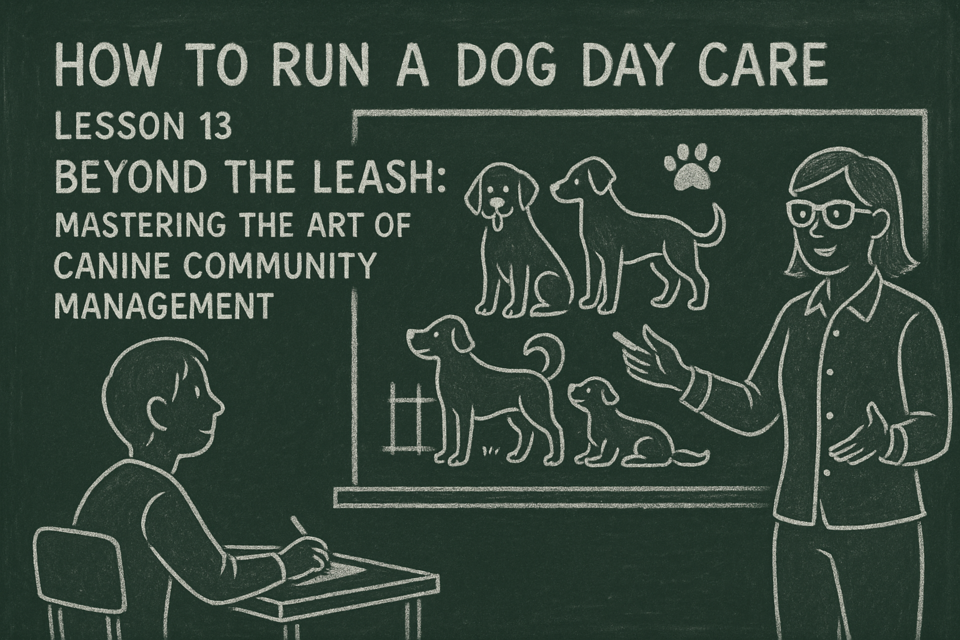
Dog care courses encompass structured educational programs designed to instruct owners, handlers, and aspiring professionals in canine physiology, psychology, and daily management. These curricula typically span fundamental obedience, canine nutrition, basic first aid, and foundational ethology—the scientific study of animal behavior. By breaking down complex biological and psychological concepts into accessible modules, these programs empower individuals to recognize subtle signs of stress, physical discomfort, or nutritional imbalance before minor issues escalate into complex veterinary or behavioral challenges. For more related activities, check out our Dog Care Bag.
The Direct Impact on Canine Health and Well-Being
Formal educational initiatives directly influence a dog’s daily quality of life by equipping human companions with accurate preventative strategies. When individuals understand species-specific nutritional needs, environmental enrichment requirements, and routine health markers, they can proactively mitigate common risks associated with obesity, boredom, and preventable illnesses. Furthermore, structured learning fosters consistency in daily routines, which is vital for reducing chronic stress and supporting emotional stability in domestic canines.
Structured educational programs in animal husbandry consistently correlate with higher retention rates in homes and improved overall canine behavioral health. — American Society for the Prevention of Cruelty to Animals (ASPCA)
Implementing Knowledge Through Practical Application
Applying curriculum-based principles to daily routines requires patience, observation, and a commitment to humane, evidence-based practices. Educational programs emphasize positive reinforcement, which relies on rewarding desired actions rather than punishing mistakes, thereby building a trusting cooperative dynamic between the human and the dog. Integrating these methodologies involves setting up predictable household structures, managing environmental triggers, and responding calmly to everyday challenges.
Best Practices and Common Educational Pitfalls
Selecting reputable educational resources requires careful evaluation of the curriculum’s scientific backing and instructional credentials. A common pitfall among learners is relying on outdated, dominance-based theories that rely on intimidation or physical correction, which scientific literature links to increased fear and defensive aggression. Learners should prioritize courses developed by accredited veterinary professionals, certified applied animal behaviorists, or recognized kennel club affiliates. Consistency, patience, and realistic expectations remain the cornerstones of successful implementation.
Evidence-based training and educational methodologies relying on positive reinforcement yield more reliable behavioral outcomes and lower stress levels in dogs compared to aversive techniques. — American Veterinary Medical Association (AVMA)
Pet Care & Wellness Overview Table
| Life Stage | Daily Activity Level | Key Nutrition / Care Focus |
|---|---|---|
| Puppy / Kitten | High (frequent short bursts) | High-protein growth diet & early socialization |
| Adult Companion | Moderate (30–60 mins daily) | Balanced maintenance nutrition & dental hygiene |
| Senior Pets | Low to Gentle (mindful walks) | Joint support (Glucosamine) & routine vet checks |
Images References






Adapting Care Strategies Across Life Stages and Breeds
Every canine possesses a unique genetic heritage, developmental history, and physiological profile that influences learning capacity and physical needs. Educational materials frequently emphasize that brachycephalic breeds—dogs with shortened facial structures—have distinct respiratory considerations, while working breeds require intensive mental and physical stimulation to prevent frustration. Puppies require early socialization and habituation protocols, whereas senior dogs often benefit from modified environmental layouts to accommodate joint stiffness and sensory decline.
When to Consult a Veterinary Professional or Specialist
Educational programs serve as a foundation for daily management but cannot replace individualized professional intervention for complex medical or behavioral concerns. For persistent aggression, severe separation anxiety, generalized fear, or sudden personality shifts, owners should seek guidance from a qualified veterinary behaviorist or a certified dog trainer who utilizes humane, science-based protocols. Similarly, any clinical signs of illness, sudden lethargy, difficulty breathing, suspected poisoning, or traumatic injury necessitate immediate evaluation by a licensed veterinarian. Timely professional intervention ensures accurate diagnosis and safeguards the animal’s health and safety.
Expanding Your Canine Knowledge Base
Deepening your understanding of canine needs allows you to provide a safe, enriching environment for your companion animal. To explore further aspects of canine companionship, examine resources dedicated to Dog Care, understand the physiological nuances outlined in Dog Health, explore nutritional science through Dog Nutrition, and study humane methods available in Dog Training on PetsAnimalsWorld.com for comprehensive insights.