Understanding the Essentials of Dog Care During Pregnancy
Managing canine gestation requires a specialized approach to ensure the health of both the expectant mother and her developing puppies. According to the American Kennel Club, canine gestation typically lasts approximately nine weeks, or between 58 and 68 days. During this delicate phase, diligent monitoring and structured Dog Care routines become fundamental to supporting maternal wellbeing. Responsible oversight involves understanding physiological changes, providing appropriate nourishment, and maintaining a stress-free environment for the expectant dam.
💡 Pet Care Key Takeaways:
- Core Focus: Practical health, nutrition, and wellness guidelines for Dog Care During Pregnancy.
- Target Scope: Pet owners, animal caregivers, and veterinary support staff.
- Best Recommendation: Maintain consistent daily routines and consult an accredited veterinarian before introducing major diet or medical changes.
Defining Canine Gestation and Physiological Changes
Dog care during pregnancy encompasses all medical, nutritional, and environmental adaptations necessary to sustain a pregnant female through conception, gestation, and whelping. Veterinarians define gestation as the period of development inside the uterus, which progresses through distinct stages of embryonic and fetal growth. Subtle shifts in appetite, energy levels, and body weight occur as the pregnancy advances. Recognizing these natural shifts allows caretakers to tailor their management strategies, ensuring that the mother receives adequate support at every milestone without exposing her to unnecessary physical stress or environmental hazards.
Nutritional Adjustments and Metabolic Support
Nutritional management during gestation requires a calculated transition to calorie-dense formulations that meet the heightened metabolic demands of fetal development. Early in gestation, dramatic dietary increases are generally unnecessary, but as the pregnancy progresses into the final trimester, energy requirements rise significantly. Commercial diets formulated for growth and reproduction, often labeled for all life stages or lactation, provide the necessary balance of protein, calcium, and phosphorus. Caretakers must introduce dietary changes gradually to prevent gastrointestinal upset, maintaining steady access to fresh, clean water throughout the entire cycle.
Pregnant dogs experience a significant increase in energy requirements during the final trimester, necessitating nutrient-dense foods formulated specifically for growth and reproduction. — American Kennel Club
Practical Management and Environmental Adjustments
Providing an optimal environment involves minimizing physical risks, avoiding harsh chemicals, and establishing a safe, quiet space for the future whelping box. Gentle, low-impact exercise remains beneficial during the first few weeks, but strenuous activities, jumping, and rough play with other household pets should be strictly restricted as the abdomen expands. Monitoring ambient temperatures and ensuring the living area remains draft-free protects the sensitive mother from environmental stress. Additionally, maintaining a consistent routine reduces anxiety, promoting psychological stability during hormonal fluctuations.
Best Practices and Common Pitfalls to Avoid
Successful gestation management relies on proactive preventative care and the avoidance of unverified home remedies or unregulated supplements. One critical error involves the indiscriminate administration of calcium supplements during pregnancy, which can actually trigger dangerous metabolic imbalances such as eclampsia postpartum. Deworming protocols and parasite control must be discussed thoroughly with a veterinarian, as only specific, approved parasiticides are considered safe for use during gestation. Maintaining open communication with veterinary professionals ensures that all interventions align with established Dog Health standards.
The Association of American Feed Control Officials establishes nutritional adequacy standards that help ensure commercial pet foods meet the heightened demands of reproduction and lactation. — Association of American Feed Control Officials
Pet Care & Wellness Overview Table
| Life Stage | Daily Activity Level | Key Nutrition / Care Focus |
|---|---|---|
| Puppy / Kitten | High (frequent short bursts) | High-protein growth diet & early socialization |
| Adult Companion | Moderate (30–60 mins daily) | Balanced maintenance nutrition & dental hygiene |
| Senior Pets | Low to Gentle (mindful walks) | Joint support (Glucosamine) & routine vet checks |
Images References




Breed-Specific Considerations and Physical Variations
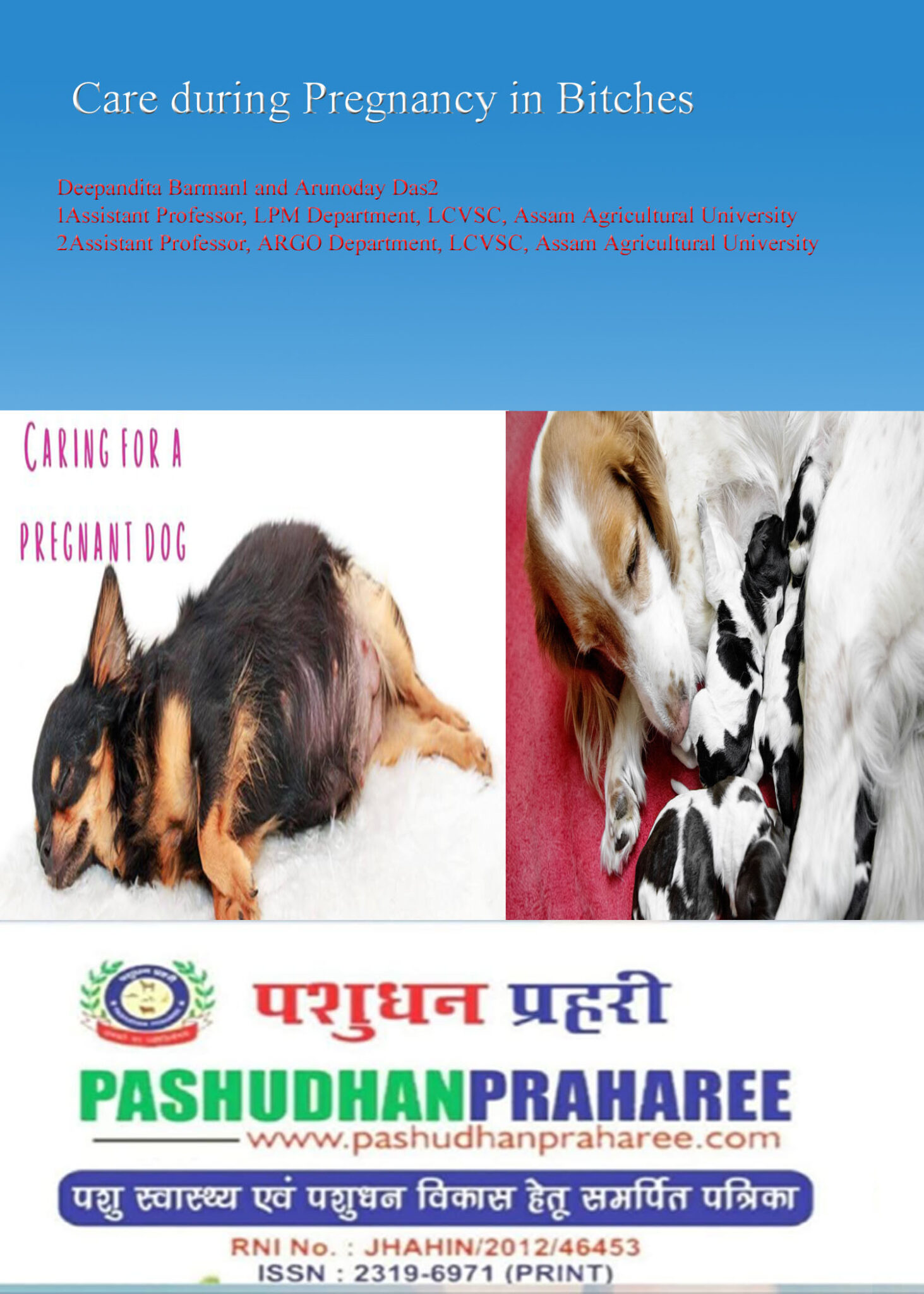
Gestation management varies considerably depending on the breed, size, and anatomical conformation of the individual female. Brachycephalic breeds, such as Bulldogs and French Bulldogs, often possess pelvic structures that complicate natural delivery, frequently requiring planned cesarean sections managed by experienced veterinary teams. Conversely, toy breeds may require more frequent, smaller meals due to limited intraabdominal space caused by large litter sizes relative to their small frames. Understanding these anatomical and physiological nuances is essential for anticipating potential complications before they arise.
When to Consult a Veterinarian or Professional
Immediate veterinary consultation is required if the expectant mother exhibits signs of distress, persistent vomiting, abnormal vaginal discharge, or a sudden drop in rectal temperature prior to expected labor. Routine veterinary check-ups throughout gestation allow professionals to monitor fetal heart rates, confirm pregnancy via ultrasound or radiography, and assess overall maternal health. For any sudden behavioral shifts or signs of severe anxiety, guidance grounded in positive reinforcement principles can be explored through resources on Dog Behavior. Professional oversight remains the cornerstone of safe, successful canine reproduction.
Conclusion and Additional Resources
Proper management during canine gestation safeguards the health of both mother and puppies through informed observation, careful nutrition, and professional veterinary partnership. Readers seeking further guidance on canine wellbeing can explore comprehensive articles at PetsAnimalsWorld.com, where expert insights on Dog Nutrition and related care topics are readily available to support responsible pet guardianship.