

The Importance of Short-Term Planning for Canine Well-being
Providing consistent care for a canine companion over a three-day period requires careful preparation to ensure the animal’s physical and emotional needs remain met despite changes in routine. According to the American Society for the Prevention of Cruelty to Animals (ASPCA), dogs thrive on predictability, and maintaining a stable environment is essential for their overall welfare. Whether a primary caregiver is traveling or a temporary change in household dynamics occurs, a structured plan minimizes stress and prevents potential health or behavioral complications. Approaching these short-term transitions with a focus on routine, safety, and environmental enrichment helps bridge the gap between normal daily life and temporary adjustments.
💡 Pet Care Key Takeaways:
- Core Focus: Practical health, nutrition, and wellness guidelines for Dog Care For 3 Days.
- Target Scope: Pet owners, animal caregivers, and veterinary support staff.
- Best Recommendation: Maintain consistent daily routines and consult an accredited veterinarian before introducing major diet or medical changes.
Defining Structured Care for a Three-Day Interval
Dog care for 3 days refers to the implementation of a consistent, temporary management plan that sustains a dog’s health, exercise, and social requirements while the primary environment or routine experiences a brief disruption. This timeframe is significant because it is long enough for a dog to experience anxiety or digestive upset if routines are neglected, yet short enough that proactive planning can effectively mitigate these risks. Comprehensive care involves mapping out feeding schedules, medication administration, exercise requirements, and environmental safety checks. By treating these 72 hours as a deliberate management period rather than an afterthought, owners ensure the dog remains comfortable and secure throughout the transition.
Addressing Behavioral and Physiological Impacts
Sudden shifts in a dog’s daily schedule can trigger physiological stress responses, which may manifest as changes in appetite, sleep patterns, or elimination habits. Maintaining the same feeding times and exercise duration is critical, as these activities serve as anchors for a dog’s internal clock. If a dog experiences separation-related distress or anxiety due to a change in companionship, providing familiar items such as bedding or toys can offer a sense of security. Behavioral stability is often a direct reflection of environmental consistency, making it necessary to keep social interactions and activity levels within the dog’s typical range to avoid overstimulation or boredom.
Routine exercise and consistent daily schedules are fundamental components of maintaining a dog’s physical health and behavioral stability. — American Kennel Club (AKC)
Practical Management Strategies for Short-Term Care
Effective management during a three-day window centers on clear communication and preparation, especially if a third party is involved in the care. Documenting specific instructions—including the exact brand and quantity of food, the location of essential supplies, and any known sensitivities—prevents errors that could lead to gastrointestinal distress or other health issues. Environmental management is equally important; ensuring that the living space is “puppy-proofed” or secured, even for adult dogs, prevents accidental ingestion of household hazards during a period of potential restlessness. Furthermore, keeping a list of emergency contact numbers, including the local veterinarian and the nearest 24-hour animal emergency clinic, is a standard safety precaution that should never be overlooked.
Best Practices and Common Oversights
One common mistake during short-term care is the introduction of novel treats or high-value foods, which can cause sudden dietary upset. Stick strictly to the dog’s established diet to protect their digestive system. Additionally, ensure that the dog has a safe, quiet space to retreat to if they feel overwhelmed by changes in the household. Monitoring for subtle signs of discomfort, such as pacing, excessive panting, or changes in water intake, allows for early intervention before a minor issue escalates. Consistent, calm interactions are generally preferred over frantic attempts to “entertain” the dog, as a stable environment provides the most comfort during times of transition.
Sudden dietary changes are a frequent cause of gastrointestinal upset in dogs, including symptoms such as vomiting and diarrhea. — American Veterinary Medical Association (AVMA)
Pet Care & Wellness Overview Table
| Life Stage | Daily Activity Level | Key Nutrition / Care Focus |
|---|---|---|
| Puppy / Kitten | High (frequent short bursts) | High-protein growth diet & early socialization |
| Adult Companion | Moderate (30–60 mins daily) | Balanced maintenance nutrition & dental hygiene |
| Senior Pets | Low to Gentle (mindful walks) | Joint support (Glucosamine) & routine vet checks |
Images References
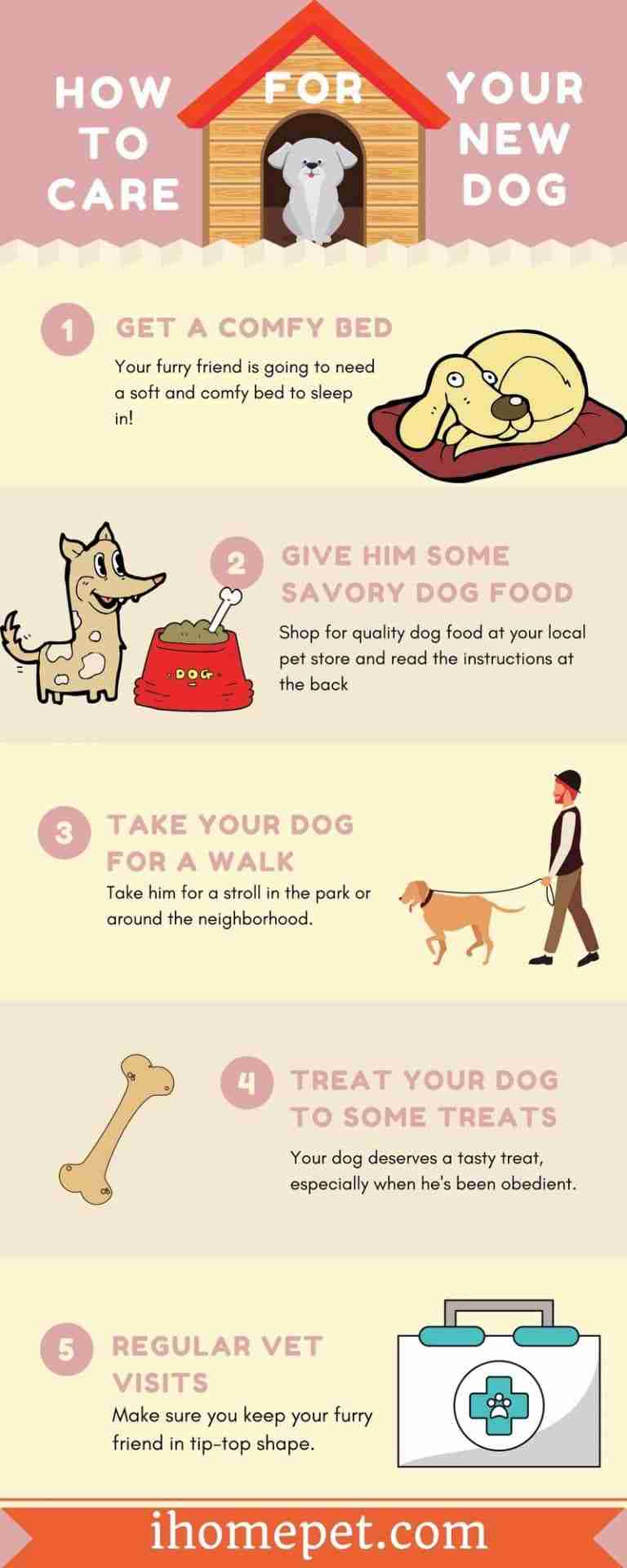


Individual Considerations Based on Breed and Age
Every dog has unique requirements based on age, breed, and physical condition, which must be factored into any three-day care plan. Senior dogs may require more frequent, shorter walks or assistance with stairs, while high-energy breeds will likely need structured play to prevent frustration-based behaviors. Puppies, due to their developing immune systems and limited bladder control, require a significantly more rigid schedule for elimination and supervision compared to adult dogs. Understanding these individual nuances ensures that the care provided is not just generic, but tailored to the specific physiological and psychological needs of the dog in question, whether they require specialized Dog Health monitoring or specific Dog Nutrition protocols.
When to Consult Veterinary or Behavioral Professionals
Professional consultation is necessary if a dog exhibits signs of acute illness, such as lethargy, refusal to eat for more than one meal, or signs of physical distress. If the dog shows persistent signs of severe anxiety, such as destructive behavior, vocalization, or attempts to escape, contacting a professional with expertise in Dog Behavior is the most responsible course of action. Do not attempt to manage severe behavioral crises or unexplained medical symptoms without professional guidance. A qualified veterinary behaviorist or a veterinarian can provide a thorough assessment to determine if the dog requires medical intervention or a structured behavior modification plan, particularly if the short-term care situation is a recurring necessity.
Conclusion and Further Resources
Preparing for three days of dog care is an exercise in diligence and empathy. By prioritizing the established routines and safety of the animal, owners can ensure a smooth experience that respects the dog’s need for stability. For more comprehensive guides on maintaining your pet’s wellness through various life stages and situations, explore the resources available at PetsAnimalsWorld.com. Whether you are looking for tips on Dog Care or foundational Dog Training techniques, consistent learning is the key to a long and healthy bond with your companion.


