

Understanding Monthly Canine Wellness and Maintenance Routines
Establishing a reliable routine for dog care for a month helps guarantee that all physical, nutritional, and behavioral needs are systematically met without gaps. According to the American Society for the Prevention of Cruelty to Animals, structured monthly maintenance significantly contributes to long-term canine health and early detection of potential medical issues. Consistency in daily husbandry forms the backbone of responsible pet ownership, transforming overwhelming maintenance lists into manageable habits. Viewing canine care through a monthly lens allows guardians to monitor subtle shifts in weight, coat condition, and mobility that might otherwise go unnoticed during hurried daily interactions.
💡 Pet Care Key Takeaways:
- Core Focus: Practical health, nutrition, and wellness guidelines for Dog Care For A Month.
- Target Scope: Pet owners, animal caregivers, and veterinary support staff.
- Best Recommendation: Maintain consistent daily routines and consult an accredited veterinarian before introducing major diet or medical changes.
Defining the Scope of a Monthly Canine Maintenance Schedule
Comprehensive dog care for a month encompasses a broad spectrum of recurring activities, ranging from daily nutritional management to scheduled veterinary check-ups and preventative treatments. This structured approach requires balancing immediate physical requirements, such as exercise and feeding, with periodic tasks like nail trimming, parasite prevention administration, and environmental enrichment rotation. By mapping out a four-week cycle, households can distribute demanding grooming sessions and preventative medication schedules evenly, reducing stress for both the human handlers and the animal.
Evaluating Health and Behavioral Impacts of Structured Routines
Predictable monthly care routines directly influence a canine’s psychological stability and physiological well-being by reducing environmental uncertainty and stabilizing internal rhythms. When physical activity, meal times, and training intervals follow a reliable cadence, animals experience lower baseline stress and improved digestive function. Conversely, erratic schedules can trigger anxiety-related behaviors or digestive upset, highlighting the necessity of disciplined organization in domestic animal husbandry.
Routine preventative veterinary care and consistent monthly management practices are foundational elements in supporting a high quality of life and longevity in companion dogs. — American Veterinary Medical Association
Implementing Practical Strategies for Long-Term Canine Management
Executing a successful monthly care regimen relies on utilizing visual planners, setting automated reminders for parasite controls, and maintaining organized supply inventories. Creating a designated tracking system for food bag expiration dates, grooming tool sanitation, and exercise milestones prevents essential tasks from falling through the cracks. Environmental enrichment should also be rotated regularly; introducing novel puzzle toys or varying walking routes every few weeks keeps cognitive engagement high and prevents boredom-induced destructive behaviors.
Best Practices and Common Pitfalls in Monthly Pet Care
Optimizing a monthly care plan involves adhering to proven husbandry guidelines while actively avoiding common pitfalls such as irregular preventative dosing or inconsistent reinforcement during training sessions. A frequent error involves waiting for visible signs of distress or illness before updating care supplies, whereas proactive management ensures that emergency items, first-aid kits, and high-value rewards remain fully stocked. Furthermore, handlers should ensure that physical exercise adjustments align with changing seasonal weather conditions rather than adhering blindly to a rigid yearly template.
Parasite prevention protocols must be administered consistently on a scheduled monthly basis to maintain optimal therapeutic blood levels and effective environmental control. — Companion Animal Parasite Council
Pet Care & Wellness Overview Table
| Life Stage | Daily Activity Level | Key Nutrition / Care Focus |
|---|---|---|
| Puppy / Kitten | High (frequent short bursts) | High-protein growth diet & early socialization |
| Adult Companion | Moderate (30–60 mins daily) | Balanced maintenance nutrition & dental hygiene |
| Senior Pets | Low to Gentle (mindful walks) | Joint support (Glucosamine) & routine vet checks |
Images References


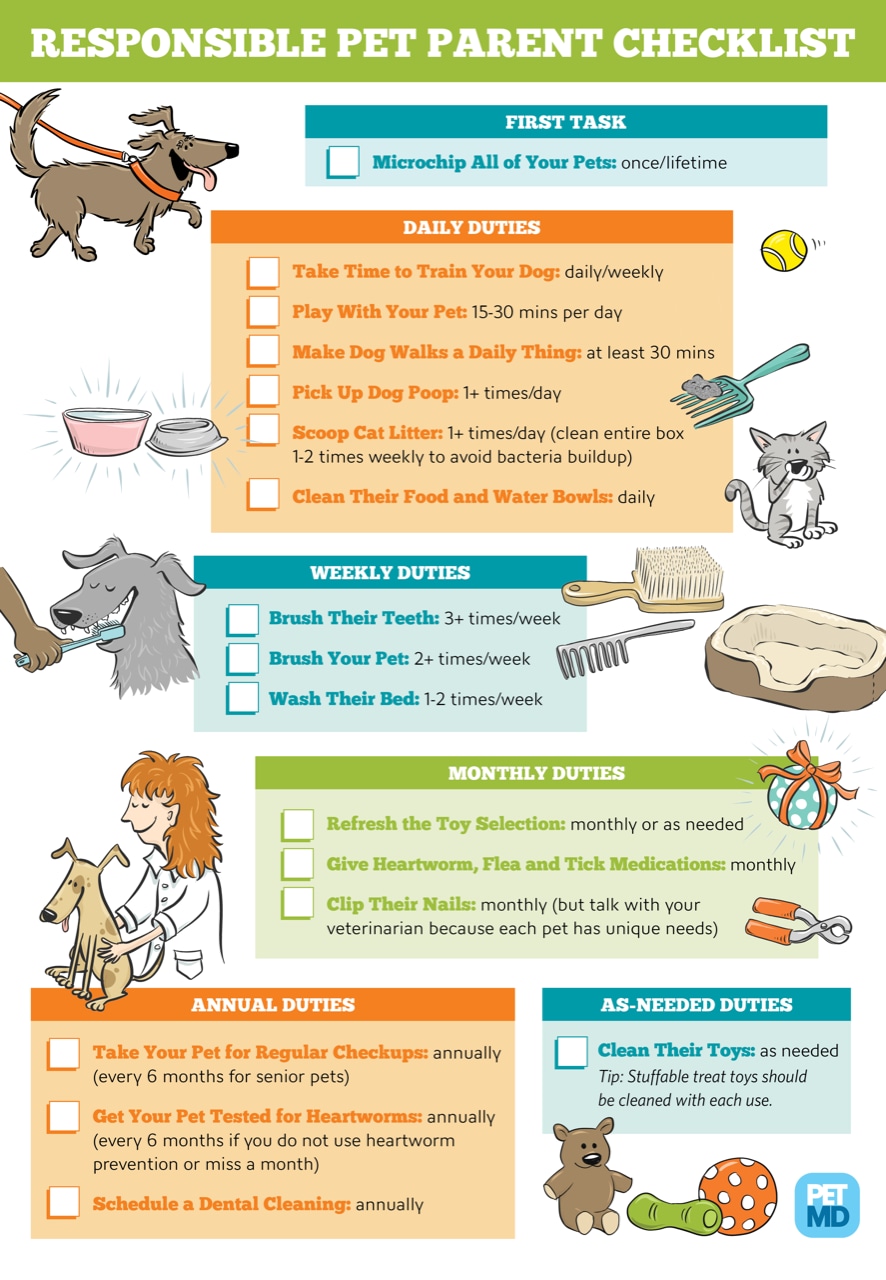




Adapting Care Strategies for Age, Breed, and Physical Variations
Every individual animal requires specialized adjustments to a standard monthly care template based on unique physiological traits, developmental stages, and genetic predispositions. For instance, senior canines often need frequent joint mobility assessments and softer bedding rotations, whereas energetic adolescent sporting dogs demand higher intensities of physical and mental engagement. Exploring resources on Dog Breeds assists guardians in understanding specific coat types, anatomical sensitivities, and predisposed health conditions that dictate tailored grooming and exercise frequencies.
Recognizing When to Consult Veterinary and Behavioral Professionals
Professional consultation becomes necessary whenever a monthly care routine reveals persistent anomalies, sudden behavioral shifts, or unexplained physical discomfort. For suspected toxicity, acute respiratory distress, severe trauma, or uncontrollable bleeding, immediate veterinary intervention is mandatory, and guardians should never rely on unverified home remedies or human medications. Similarly, for deep-seated fear, separation anxiety, or barrier reactivity, engaging a certified professional specializing in Dog Behavior ensures that interventions remain humane, evidence-informed, and psychologically safe for the animal.
Maintaining Comprehensive Wellness Through Dedicated Guidance
Balancing the multifaceted demands of canine maintenance requires ongoing education, careful observation, and a commitment to evidence-based husbandry practices. Delving deeper into specialized topics via Dog Care and Dog Health equips owners with the nuanced knowledge required to navigate complex health decisions and daily maintenance challenges successfully. Visit PetsAnimalsWorld.com regularly to explore expanded guides, expert-backed resources, and practical advice designed to support lifelong canine wellness.


