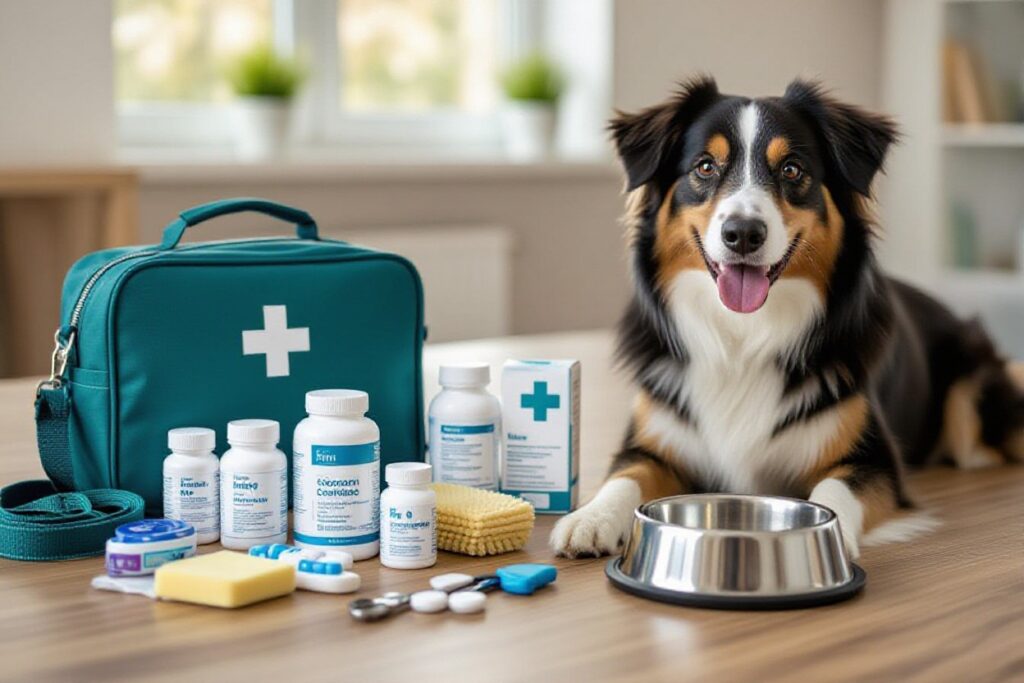
Incorporating Canine Companions into Nuptial Celebrations Safely
Planning a wedding involves coordinating countless details, and integrating a beloved family dog into the festivities requires careful thought, structured planning, and realistic expectations about animal welfare in high-stress environments. According to the American Society for Prevention of Cruelty to Animals (ASPCA), major disruptions in daily routines and unfamiliar surroundings can induce anxiety in companion animals, making thoughtful preparation essential for a successful event. While sharing a wedding day with a canine companion creates cherished memories, the needs of the animal must remain a priority amidst the bustle of ceremony and reception schedules. Understanding the practical demands of event logistics helps ensure that the day remains positive and stress-free for both human participants and four-legged guests of honor.
💡 Pet Care Key Takeaways:
- Core Focus: Practical health, nutrition, and wellness guidelines for Dog Care For Weddings.
- Target Scope: Pet owners, animal caregivers, and veterinary support staff.
- Best Recommendation: Maintain consistent daily routines and consult an accredited veterinarian before introducing major diet or medical changes.
Defining Proper Support Systems for Event Days
Effective dog care for weddings encompasses comprehensive logistical planning, designated supervision, and strict adherence to the animal’s physical and emotional boundaries throughout the day. This specialized area of practical Dog Care involves appointing a dedicated attendant—often a trusted friend, family member, or professional pet wrangler—whose sole responsibility is monitoring the dog’s well-being, bathroom breaks, hydration levels, and departure timeline. Unlike regular daily routines, a wedding environment introduces loud music, flashing lights, heavy crowds, and tight schedules, all of which require a designated handler to advocate for the animal’s comfort and remove them from the venue the moment stress signs appear.
Managing Environmental Stressors and Sensory Overload
Protecting a dog’s emotional equilibrium during large celebrations requires proactive management of sensory stimuli and careful attention to subtle behavioral indicators of overwhelm. Canines experience the world primarily through scent and sound, meaning amplification systems, cheering crowds, and heavy perfume scents can quickly trigger sensory fatigue. Signs of stress in dogs often manifest subtly through yawning, lip-licking, turning away, or panting heavily in cool environments, long before overt panic or vocalization occurs. Maintaining a quiet, secure green room or designated resting area away from the main celebration gives the animal a reliable refuge to decompress between photo sessions or ceremony appearances.
Unfamiliar crowds, loud noises, and altered routines can trigger acute behavioral stress in companion animals, requiring dedicated supervision and quiet retreat spaces during large social gatherings. — American Society for Prevention of Cruelty to Animals
Implementing Positive Preparation and Event-Day Protocols
Preparing a dog for participation in a ceremony involves gradual habituation to unfamiliar attire, sustained obedience practice under distraction, and clear communication among event coordinators. Rather than introducing a floral collar, harness, or decorative leash on the morning of the wedding, owners should allow the animal to wear these items during short, positive practice sessions weeks in advance. Food motivation and positive reinforcement help build favorable associations with wedding gear. Furthermore, coordinating closely with venue staff ensures that restricted areas, catering setups, and hazardous botanical decorations remain completely secure and inaccessible to roaming paws.
Best Practices and Common Mistakes to Avoid
Successful event integration relies on avoiding common pitfalls such as assuming every dog enjoys large crowds or neglecting basic biological needs amidst scheduling delays. One frequent mistake is forcing an animal to remain at a reception long after formal photographs conclude; most dogs become exhausted within a couple of hours and benefit greatly from being transported to a quiet boarding facility or home by a trusted pet sitter before the evening festivities peak. Additionally, human celebratory foods, chocolate favors, floral arrangements containing toxic plants like lilies or hydrangeas, and alcoholic beverages must be kept strictly out of reach. Ensuring continuous access to fresh water is equally critical, as excitement and warm weather can rapidly lead to dehydration.
Many common wedding florals, including certain varieties of lilies, peonies, and hydrangeas, can present significant toxicity risks if ingested by curious pets exploring reception venues. — American Kennel Club
Pet Care & Wellness Overview Table
| Life Stage | Daily Activity Level | Key Nutrition / Care Focus |
|---|---|---|
| Puppy / Kitten | High (frequent short bursts) | High-protein growth diet & early socialization |
| Adult Companion | Moderate (30–60 mins daily) | Balanced maintenance nutrition & dental hygiene |
| Senior Pets | Low to Gentle (mindful walks) | Joint support (Glucosamine) & routine vet checks |
Images References


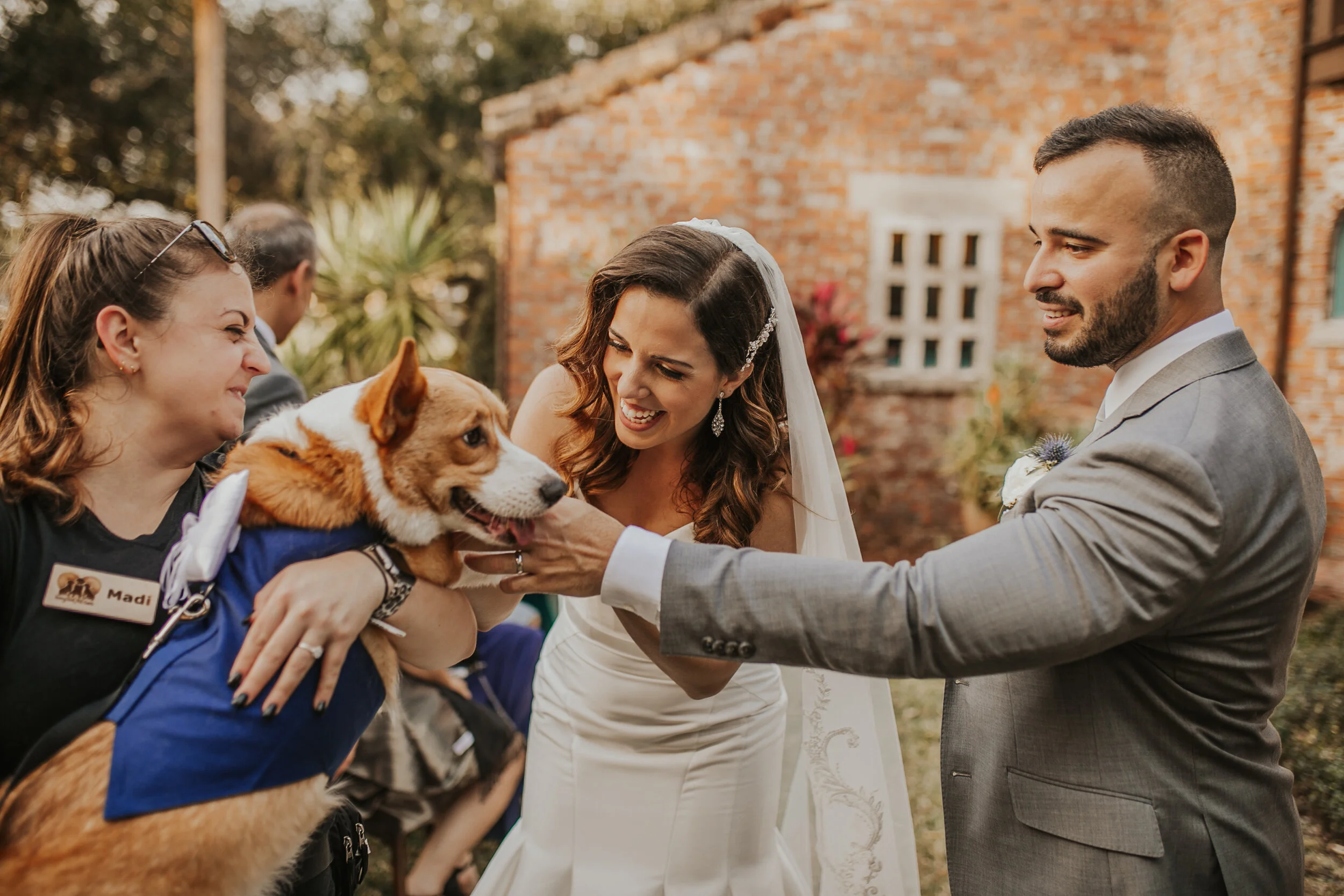


Evaluating Temperament, Age, and Breed Suitability
Assessing an individual animal’s readiness for a wedding requires an objective look at Dog Behavior, age-related limitations, and general disposition rather than relying on generalized assumptions about breed compliance. High-energy working breeds might struggle with prolonged stillness during lengthy ceremonies, whereas extremely sensitive or fearful dogs may find the flashing cameras and erratic movements of a crowded dance floor entirely overwhelming. Senior dogs or puppies with limited stamina require frequent rest periods and shorter durations of involvement. Recognizing these individual limitations ensures that the celebration accommodates the animal’s authentic capacities rather than forcing a mismatched scenario.
Knowing When to Consult Veterinary Professionals
Consulting a veterinarian or a qualified animal behaviorist is recommended when managing severe travel anxiety, noise sensitivities, or developing a customized calming protocol for complex event days. If an animal displays persistent signs of panic during transport or loud gatherings, professional guidance can help establish safe, evidence-based management strategies. Never administer human medications, sedatives, or over-the-counter calming supplements without explicit veterinary oversight, as appropriate dosages vary significantly depending on body weight, age, and individual health profiles. For any sudden illness, trauma, or signs of acute distress during the celebration, immediate veterinary evaluation should be sought without hesitation.
Creating Lasting Memories Through Thoughtful Planning
Including a canine family member in a wedding can be a deeply rewarding experience when approached with patience, empathy, and rigorous attention to safety and animal welfare. By respecting individual limitations, establishing clear supervisory roles, and prioritizing comfort above aesthetic goals, couples can celebrate their special day while keeping their companions happy and secure. For further guidance on canine wellness, training milestones, and lifestyle management, explore additional expert resources available across PetsAnimalsWorld.com and related categories like Dog Training and Dog Health.