The Importance of a Structured Approach to Canine Well-being
Providing comprehensive care for a canine companion requires more than just meeting basic needs; it involves a commitment to physical, mental, and emotional health. According to the American Veterinary Medical Association (AVMA), regular veterinary visits are essential for preventive care, allowing professionals to detect potential health issues before they become severe. A structured dog care list serves as a foundational tool for owners, ensuring that daily, monthly, and annual responsibilities remain organized and consistent. By maintaining a clear oversight of medical, nutritional, and behavioral requirements, owners can foster a stable environment that supports the long-term vitality of their pets.
💡 Pet Care Key Takeaways:
- Core Focus: Practical health, nutrition, and wellness guidelines for Dog Care List.
- Target Scope: Pet owners, animal caregivers, and veterinary support staff.
- Best Recommendation: Maintain consistent daily routines and consult an accredited veterinarian before introducing major diet or medical changes.
Defining the Essential Dog Care List
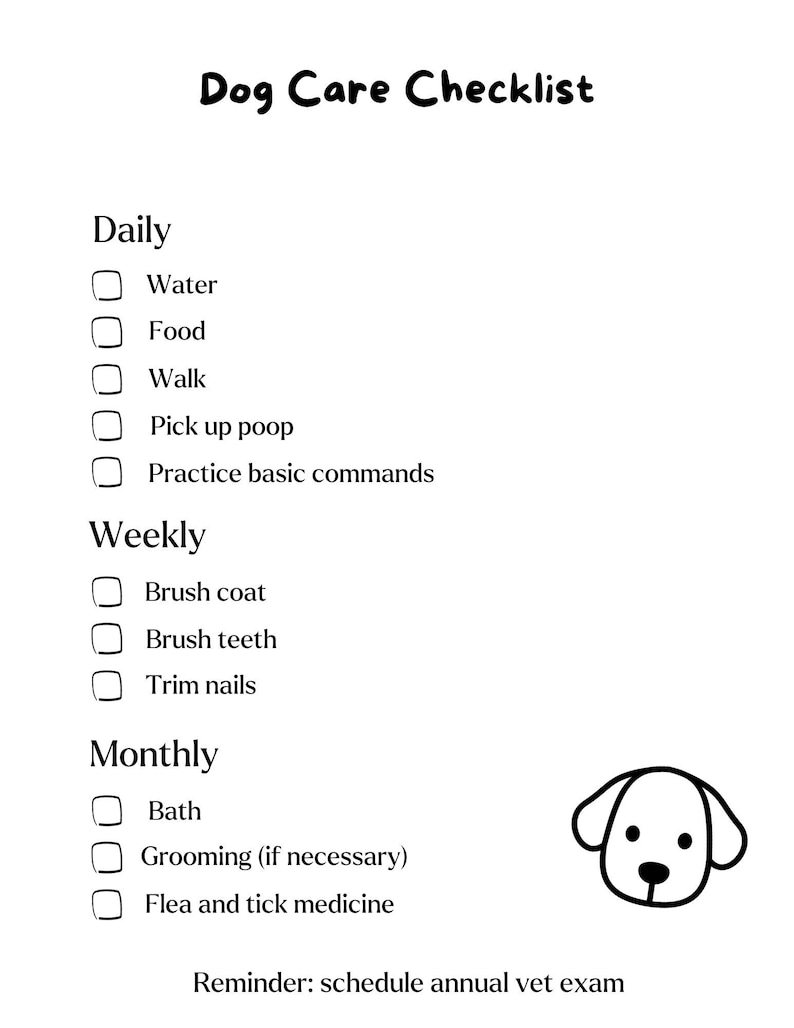
A comprehensive dog care list is a strategic compilation of tasks and resources necessary to maintain a dog’s health, safety, and happiness throughout its life. This checklist typically encompasses daily maintenance, such as providing age-appropriate nutrition and consistent exercise, alongside periodic requirements like parasite prevention, grooming, and mental enrichment. Rather than being a static document, this list functions as a dynamic guide that evolves as a dog progresses through different life stages—from puppyhood to senior years. It acts as a roadmap, helping owners manage the complexities of pet guardianship while ensuring that no critical aspect of dog care is overlooked.
The Impact of Consistent Care on Health and Behavior
Maintaining a consistent care routine directly influences a dog’s physiological stability and behavioral outcomes. When daily needs—such as feeding schedules, physical activity, and social interaction—are met predictably, dogs are less likely to experience anxiety or behavioral instability. Furthermore, proactive health management, including dental hygiene and weight monitoring, helps mitigate risks associated with common canine ailments. Understanding how these elements interact allows for a more responsive approach to care, where subtle changes in appetite, energy levels, or temperament are noticed early and addressed with appropriate professional guidance.
Routine veterinary examinations, including physical assessments and diagnostic screenings, are critical for the early identification of chronic conditions that may not present obvious symptoms. — American Veterinary Medical Association (AVMA)
Managing and Implementing a Care Routine
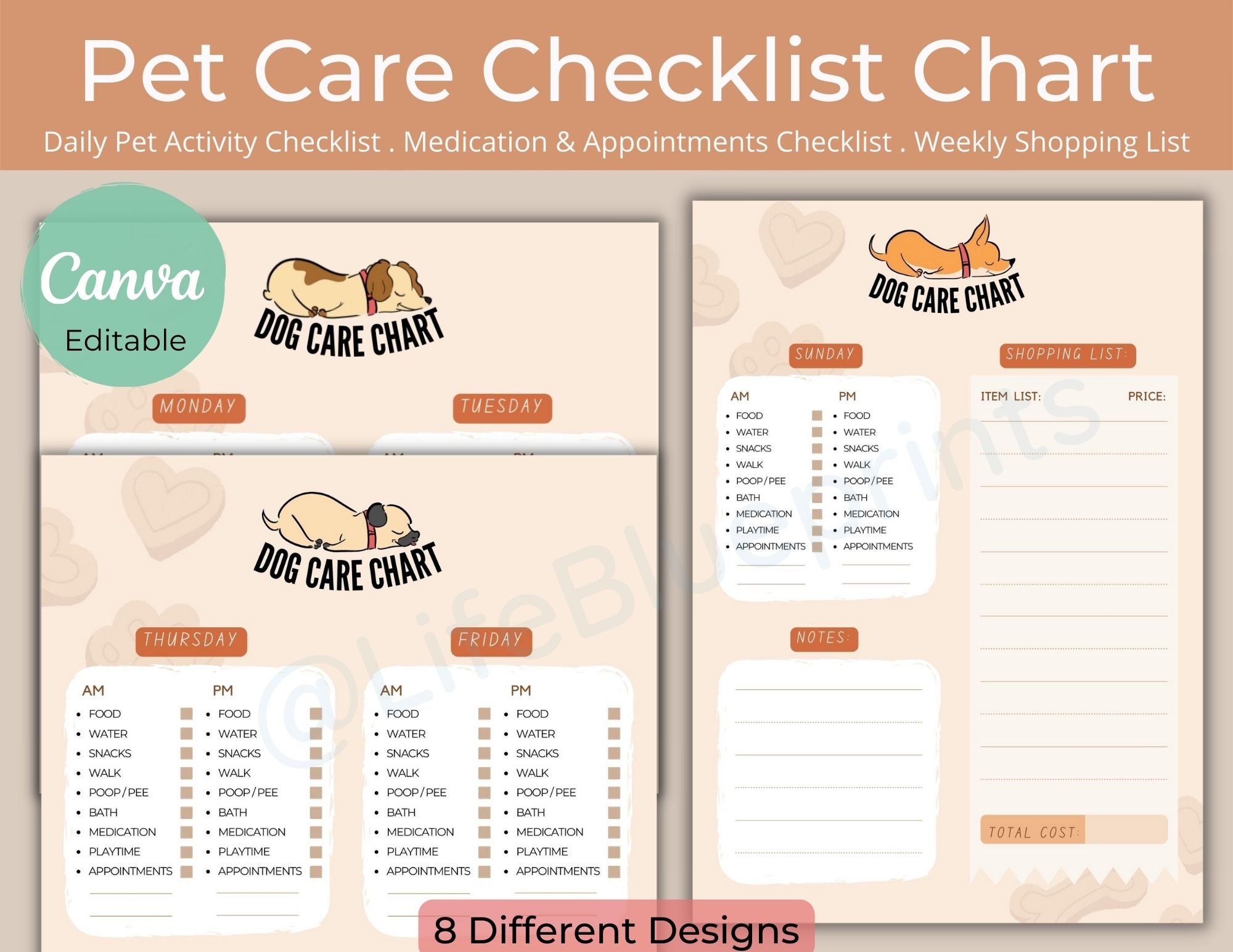
Addressing the components of a dog care list requires a balance of diligence and adaptability. Owners should begin by establishing a baseline schedule that incorporates the essential pillars of care: nutrition, exercise, grooming, and training. Nutritional management involves selecting high-quality food appropriate for the dog’s life stage and activity level, while exercise routines should be tailored to the individual dog’s physical capabilities and breed traits. To support mental health, integrating consistent, force-free dog training sessions can provide necessary structure and intellectual stimulation, which are vital for a well-adjusted companion.
Best Practices and Common Pitfalls
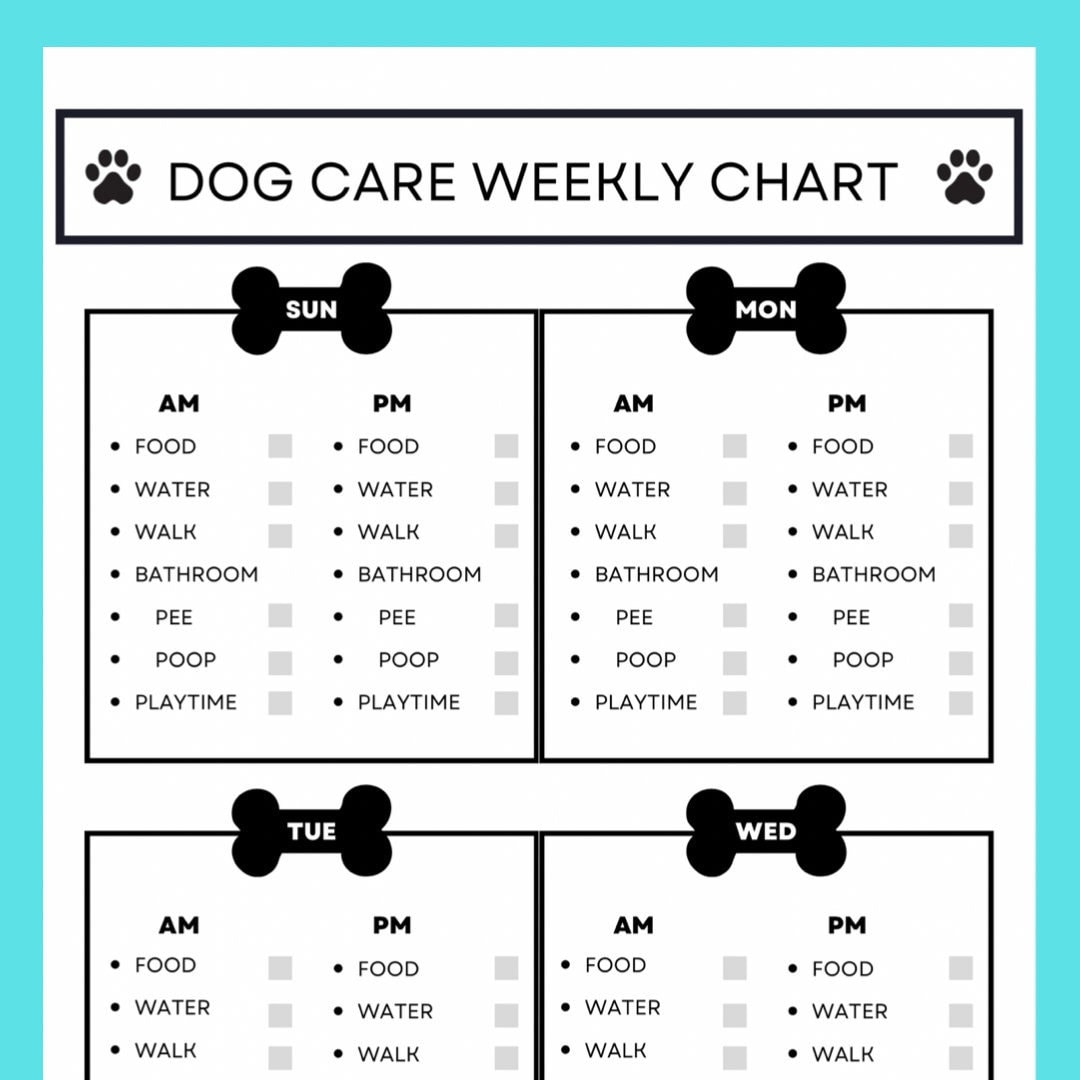
Effective care relies on consistency and the avoidance of common oversights, such as neglecting dental health or failing to update vaccinations. One best practice involves keeping a dedicated log or digital tracker for medications, grooming appointments, and weight checks, which can be invaluable during veterinary consultations. A frequent mistake is the over-reliance on generic advice; what works for one dog may not be suitable for another due to differences in metabolism, breed-specific predispositions, or underlying health status. Owners should focus on observing their specific dog’s responses to diet and activity, adjusting the care routine in consultation with a veterinarian rather than following rigid, one-size-fits-all recommendations.
The Association of American Feed Control Officials (AAFCO) establishes nutritional standards for pet foods, serving as a benchmark for owners to evaluate the completeness and balance of their dog’s diet. — Association of American Feed Control Officials (AAFCO)
Pet Care & Wellness Overview Table
| Life Stage | Daily Activity Level | Key Nutrition / Care Focus |
|---|---|---|
| Puppy / Kitten | High (frequent short bursts) | High-protein growth diet & early socialization |
| Adult Companion | Moderate (30–60 mins daily) | Balanced maintenance nutrition & dental hygiene |
| Senior Pets | Low to Gentle (mindful walks) | Joint support (Glucosamine) & routine vet checks |
Images References





Considering Breed, Age, and Individual Characteristics
Individual variables, including breed history, age, and temperament, necessitate significant modifications to any standard care list. For instance, high-energy working breeds may require far more intensive physical and mental engagement than sedentary or senior dogs. Similarly, puppies and geriatric dogs have distinct nutritional and medical needs that differ from those of healthy adults. Understanding dog breeds and their unique physiological predispositions—such as joint sensitivity in larger breeds or respiratory considerations in brachycephalic (short-nosed) dogs—allows owners to tailor their care strategies more effectively. Always prioritize the individual dog’s current condition over generalized breed stereotypes.
When to Consult a Veterinary Professional
Professional consultation is mandatory when a dog displays sudden changes in behavior, unexplained lethargy, difficulty breathing, persistent vomiting, or signs of acute pain. These symptoms can indicate serious health risks that require immediate medical attention. Furthermore, if an owner is struggling with behavioral concerns such as persistent fear, anxiety, or aggression, it is essential to seek assistance from a certified veterinary behaviorist or a qualified trainer who employs humane, science-based methods. Relying on professional expertise ensures that interventions are safe, appropriate, and evidence-informed, preventing the escalation of manageable issues into critical medical or behavioral crises.
Continuing Your Journey in Responsible Ownership
Building a successful care routine is a lifelong process that strengthens the bond between human and animal. By staying informed through reliable resources and maintaining an organized approach to daily needs, owners provide their dogs with the highest quality of life. For further guidance on specialized topics, explore the extensive resources available on PetsAnimalsWorld.com, including in-depth information on dog health and dog nutrition. Consistent education and proactive care are the cornerstones of a healthy, fulfilling life for every canine companion.