

According to the American Veterinary Medical Association, proactive environmental management remains a cornerstone of preventative health for companion animals. Providing exceptional dog care in Orlando requires understanding how subtropical climates, local wildlife, and bustling urban environments uniquely influence canine health and well-being. Maintaining a companion animal in the Sunshine State involves adapting daily routines to mitigate the stresses of high heat, intense humidity, and seasonal pest pressures that differ significantly from those found in other regions. Owners living in this dynamic metropolitan area often find that standard care routines require thoughtful modification to keep pets comfortable, safe, and thriving year-round.
💡 Pet Care Key Takeaways:
- Core Focus: Practical health, nutrition, and wellness guidelines for Dog Care Orlando.
- Target Scope: Pet owners, animal caregivers, and veterinary support staff.
- Best Recommendation: Maintain consistent daily routines and consult an accredited veterinarian before introducing major diet or medical changes.
Defining Comprehensive Dog Care in the Orlando Area
Comprehensive dog care in Orlando encompasses a holistic approach to daily husbandry, environmental safety, preventative medicine, and structured exercise regimens. This specialized routine involves balancing physical activity with heat safety, scheduling consistent veterinary oversight to monitor regional parasites, and tailoring nutrition to metabolic needs influenced by warm weather. Environmental enrichment, appropriate socialization within local community spaces, and attentive grooming further support overall vitality. Rather than relying on rigid, one-size-fits-all schedules, effective regional care acknowledges that local climatic conditions dictate distinct adaptations in canine management.
Managing Environmental Stressors and Regional Health Risks
Environmental management plays a vital role in preventing heat-related illnesses and mitigating year-round parasite exposure in Central Florida. High ambient temperatures combined with significant humidity can rapidly impair a canine’s ability to regulate body temperature through panting, making heat stroke a serious, life-threatening risk during outdoor activities. Furthermore, warm, moist environments foster populations of fleas, ticks, and mosquitoes, increasing the transmission potential of vector-borne illnesses such as heartworm disease. Diligent year-round preventative protocols recommended by veterinary professionals are essential for safeguarding canine health against these persistent regional threats.
Heartworm disease is transmitted through the bite of infected mosquitoes, making consistent year-round preventative medication essential for dogs living in warm, humid climates like Central Florida. — American Veterinary Medical Association
Implementing Practical Daily Routines and Safety Measures
Establishing effective daily maintenance routines requires shifting high-intensity exercise to cooler early morning or late evening hours to protect sensitive paw pads from scorching pavement and prevent overheating. Hydration strategies should extend beyond indoor water bowls, ensuring fresh water remains accessible during walks or outdoor excursions. Establishing predictable daily patterns also aids in managing Dog Training milestones, ensuring obedience foundations remain strong despite environmental distractions. Owners must consistently evaluate pavement temperatures using a hand-test method before permitting walks on asphalt or artificial turf surfaces.
Best Practices and Common Oversight in Central Florida Canine Management
Avoiding common seasonal pitfalls helps maintain long-term wellness and prevents emergency veterinary visits. One frequent oversight involves underestimating the speed at which outdoor surfaces heat up under intense solar radiation, which can quickly cause severe thermal burns on paw pads. Another misstep is neglecting preventative medication during cooler winter months under the mistaken assumption that regional pests disappear entirely. Prioritizing structured Dog Health monitoring ensures subtle signs of heat stress, skin irritation, or parasitic infection are addressed promptly before developing into more serious clinical complications.
Subtle early signs of canine heat exhaustion include excessive panting, bright red gums, thick drool, and mild lethargy, which require immediate removal from the heat and gradual cooling measures. — American Society for the Prevention of Cruelty to Animals
Pet Care & Wellness Overview Table
| Life Stage | Daily Activity Level | Key Nutrition / Care Focus |
|---|---|---|
| Puppy / Kitten | High (frequent short bursts) | High-protein growth diet & early socialization |
| Adult Companion | Moderate (30–60 mins daily) | Balanced maintenance nutrition & dental hygiene |
| Senior Pets | Low to Gentle (mindful walks) | Joint support (Glucosamine) & routine vet checks |
Images References

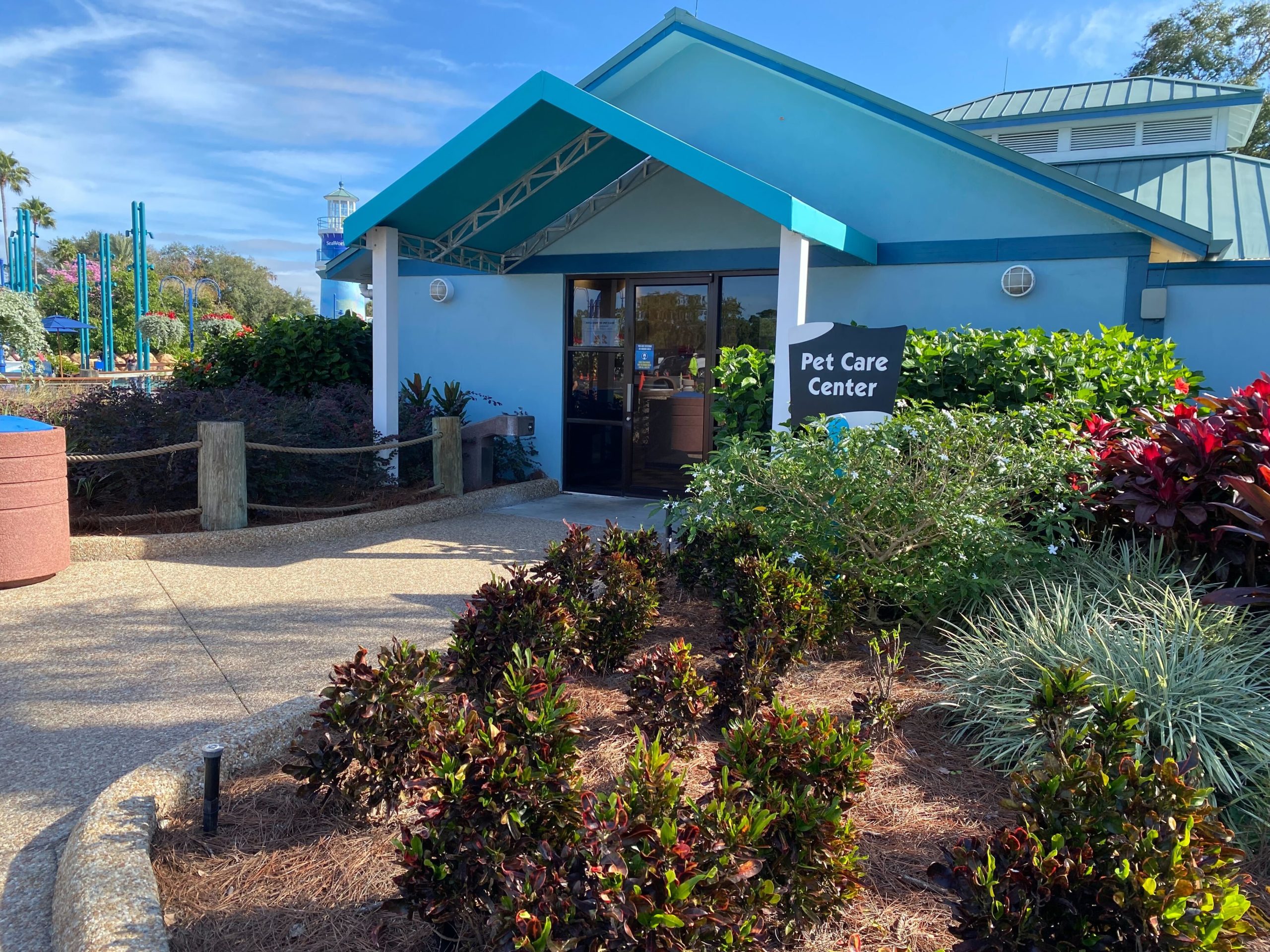





Tailoring Care to Individual Breeds, Sizes, and Life Stages
Canine care strategies must always account for individual physiological traits, including coat density, brachycephalic facial structures, age, and overall physical conditioning. Breeds with shortened airways, such as English Bulldogs and Pugs, face vastly diminished heat tolerance and require strict indoor air conditioning during peak afternoon hours. Senior canines and dogs with thick double coats also experience heightened vulnerability to thermal stress and dehydration. Exploring resources dedicated to Dog Breeds can help owners better understand how specific genetic backgrounds influence thermal regulation and exercise tolerances in subtropical settings.
Recognizing When to Consult a Veterinary Professional or Specialist
Prompt professional veterinary evaluation is necessary whenever a dog exhibits signs of acute illness, persistent behavioral changes, or unexplained lethargy. For suspected poisoning, severe respiratory distress, uncontrollable vomiting, sudden collapse, or traumatic injury, immediate veterinary intervention is vital. Similarly, persistent behavioral challenges related to noise phobias during frequent Florida thunderstorms should be addressed through compassionate guidance found in Dog Behavior resources, or by consulting a certified professional behaviorist. Tailoring Dog Nutrition and health routines in partnership with a licensed veterinarian ensures that individual dietary and medical needs receive expert oversight.
Ensuring Long-Term Vitality Through Informed Regional Stewardship
Maintaining an optimal standard of living for canine companions in Central Florida demands continuous education, attentiveness to environmental changes, and proactive preventative veterinary care. By combining safe exercise schedules, diligent pest control, and appropriate dietary management, owners create a stable foundation for lifelong health. Exploring the extensive resources available across Dog Care archives and returning to PetsAnimalsWorld.com empowers animal guardians to make informed, evidence-based decisions that enrich the daily lives of their cherished pets.


