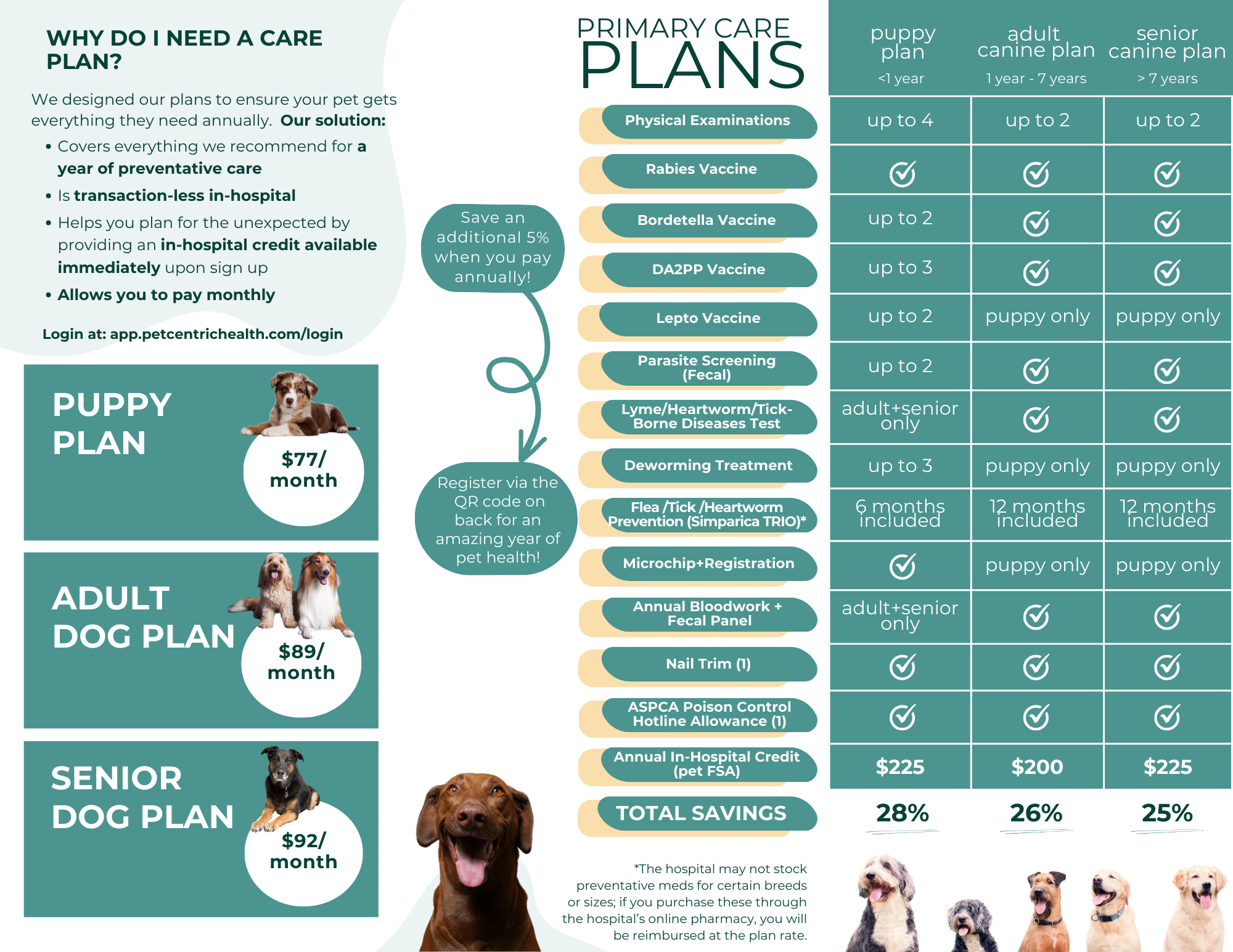
Structuring canine well-being through systematic dog care plans
According to the American Veterinary Medical Association, proactive and structured routines significantly enhance long-term canine health and minimize preventable illnesses. Modern households balancing busy schedules often find that keeping track of vaccinations, parasite prevention, nutritional adjustments, and daily exercise requirements becomes overwhelming without a centralized system. Establishing written dog care plans helps bridge this gap by transforming abstract wellness goals into actionable daily, weekly, and monthly routines. Maintaining a predictable framework reduces stress for both the household and the canine companion, ensuring no critical wellness milestone is accidentally overlooked.
💡 Pet Care Key Takeaways:
- Core Focus: Practical health, nutrition, and wellness guidelines for Dog Care Plans.
- Target Scope: Pet owners, animal caregivers, and veterinary support staff.
- Best Recommendation: Maintain consistent daily routines and consult an accredited veterinarian before introducing major diet or medical changes.
Defining the core components of structured dog care plans
Comprehensive dog care plans function as personalized operational schedules detailing every aspect of a companion animal’s routine, medical history, and dietary specifications. These documents generally incorporate veterinary contact information, microchip numbers, precise medication dosages, allergy alerts, and emergency protocols alongside daily maintenance tasks. Rather than relying on memory, a dedicated plan organizes nutritional requirements, grooming schedules, and physical activity milestones into an accessible format. This structured approach allows multiple household members or professional pet sitters to maintain absolute consistency in feeding times, training cues, and medical administration.
Evaluating the health and behavioral impact of organized maintenance
Integrating systematic organization into daily routines directly supports physiological stability and emotional resilience in canines. When feeding times, bathroom breaks, and physical stimulation occur on a reliable schedule, internal biological clocks synchronize, supporting optimal digestion and metabolic health. Furthermore, predictable routines help mitigate anxiety by providing a sense of environmental security. Documenting subtle behavioral changes or fluctuations in weight within the maintenance schedule empowers guardians to catch early warning signs of illness before conditions escalate into clinical emergencies.
Routine preventive veterinary care and structured physical schedules help mitigate chronic health risks and support steady metabolic function in domestic canines. — American Veterinary Medical Association
Implementing and managing effective routines at home
Designing a functional schedule requires realistic assessment of household availability, financial resources, and the specific energy levels of the animal. Guardians should begin by mapping out non-negotiable daily obligations, such as morning and evening meals, bathroom outings, and designated physical exercise. Gradually integrate weekly requirements like dental hygiene sessions, nail trims, and brush-outs into specific calendar slots to prevent accumulation of neglected grooming tasks. Utilizing digital reminders or physical planners posted in common household areas ensures accountability across all family members participating in the animal’s daily oversight.
Best practices and common pitfalls in schedule creation
Consistency remains the foundational pillar of successful implementation, yet rigidity can easily backfire when unexpected schedule changes occur. Flexibility should be built directly into the framework to accommodate weather delays, travel, or minor illnesses without causing undue frustration. A frequent mistake involves setting unrealistic exercise or training durations that overwhelm both the guardian and the dog, leading to rapid burnout. Instead, focus on sustainable, high-quality engagement tailored to the individual animal’s current physical stamina and cognitive capacity. Review essential resources on Dog Care for additional guidance on optimizing daily routines safely.
Behavioral and physical requirements fluctuate significantly across different life stages, necessitating periodic reviews of established home maintenance routines. — American Kennel Club
Pet Care & Wellness Overview Table
| Life Stage | Daily Activity Level | Key Nutrition / Care Focus |
|---|---|---|
| Puppy / Kitten | High (frequent short bursts) | High-protein growth diet & early socialization |
| Adult Companion | Moderate (30–60 mins daily) | Balanced maintenance nutrition & dental hygiene |
| Senior Pets | Low to Gentle (mindful walks) | Joint support (Glucosamine) & routine vet checks |
Images References

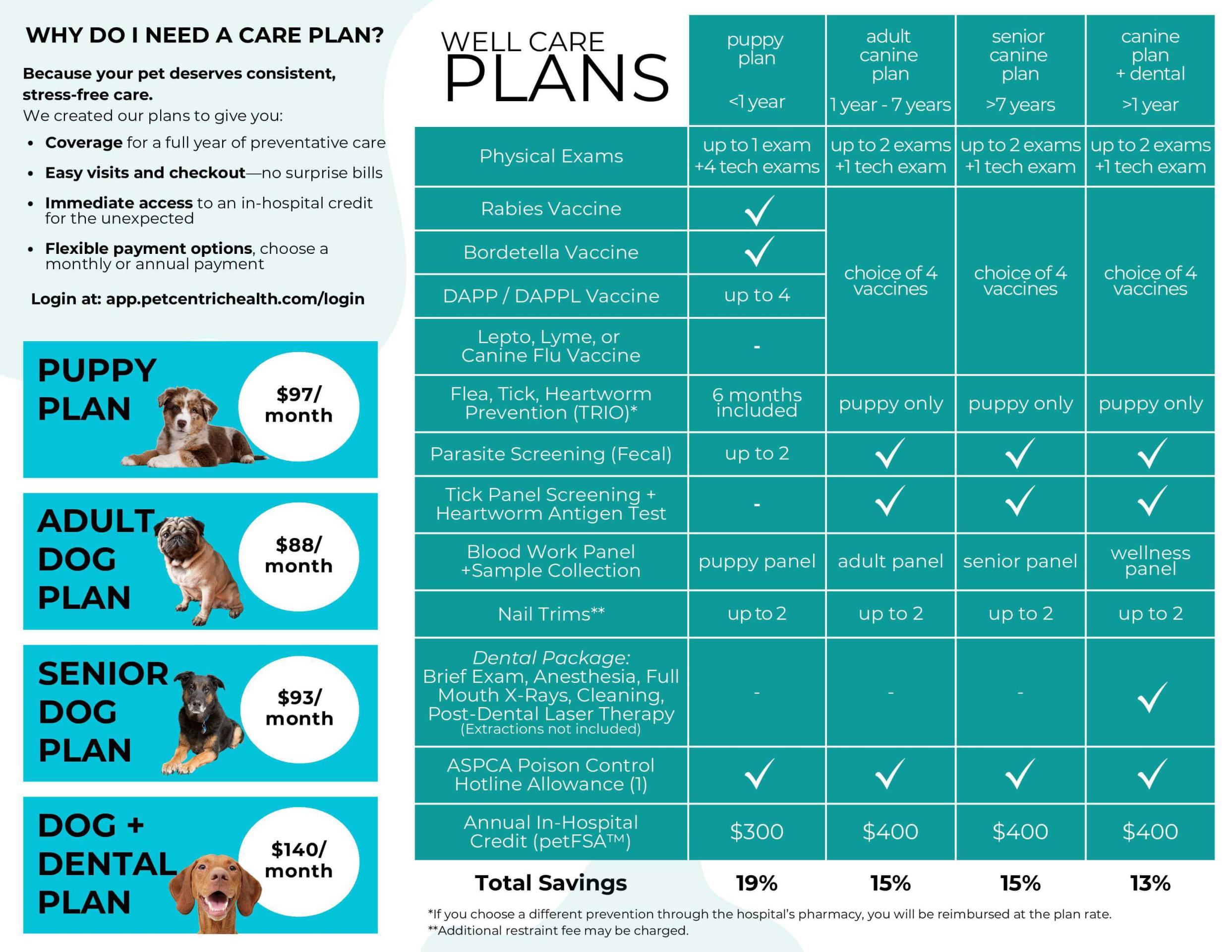







Tailoring schedules to breed, age, and individual temperament
Every canine possesses distinct physiological and psychological requirements that dictate how a maintenance schedule must be structured. Senior companions require specialized adjustments focusing on joint support, frequent veterinary assessments, and shorter, low-impact walks, while high-energy working breeds demand rigorous mental stimulation and endurance exercise to prevent destructive behaviors. Reviewing specific Dog Breeds characteristics provides valuable context regarding hereditary predispositions and exercise thresholds. Additionally, temperament traits such as noise sensitivity or stranger wariness require customized desensitization milestones integrated smoothly into the overall plan.
Knowing when to consult veterinary or professional experts
Professional guidance becomes essential whenever an established routine fails to address persistent behavioral challenges or sudden shifts in physical health. Guardians observing signs of acute distress, such as difficulty breathing, severe lethargy, suspected poisoning, or traumatic injury, must seek immediate veterinary intervention without waiting for scheduled check-ups. Similarly, complex behavioral issues like severe separation anxiety or aggression require evaluation by qualified animal behaviorists or veterinary behaviorists rather than standard obedience modification. Exploring advanced resources in Dog Health and Dog Behavior ensures guardians remain informed on professional intervention thresholds.
Closing thoughts on sustainable canine management
Organizing daily routines through thoughtful planning creates a harmonious living environment that promotes longevity, safety, and mutual trust. By continuously adapting these frameworks to match life stages and health developments, households provide the highest standard of daily welfare for their companions. Explore more expert advice, breed guides, and wellness tips across PetsAnimalsWorld.com to continually refine your approach to companion animal guardianship.