According to the American Veterinary Medical Association, proactive preventive care and proper environmental enrichment are essential components of maintaining long-term physical and psychological well-being in domestic dogs. Choosing the right supplies for a canine companion involves much more than simply browsing a pet store aisle. Dog care products encompass a vast array of items designed to support hygiene, nutrition, physical activity, and overall safety. As the pet industry expands, evaluating the sheer volume of available tools can feel overwhelming for conscientious guardians. Understanding how specific items function helps in sorting through marketing claims to find solutions that genuinely benefit the animal.
💡 Pet Care Key Takeaways:
- Core Focus: Practical health, nutrition, and wellness guidelines for Dog Care Products.
- Target Scope: Pet owners, animal caregivers, and veterinary support staff.
- Best Recommendation: Maintain consistent daily routines and consult an accredited veterinarian before introducing major diet or medical changes.
Every item introduced into a canine living space interacts directly with the animal’s daily routine, physiological health, and emotional state. Selecting appropriate gear requires a clear understanding of material safety, durability, and ergonomic design. Poorly manufactured items can pose hidden hazards, ranging from toxic chemical coatings to choking risks caused by easily splintered materials. Prioritizing quality and safety ensures that investments in supplies contribute positively to daily life rather than introducing unintended risks.
Defining the Scope of Canine Maintenance Equipment
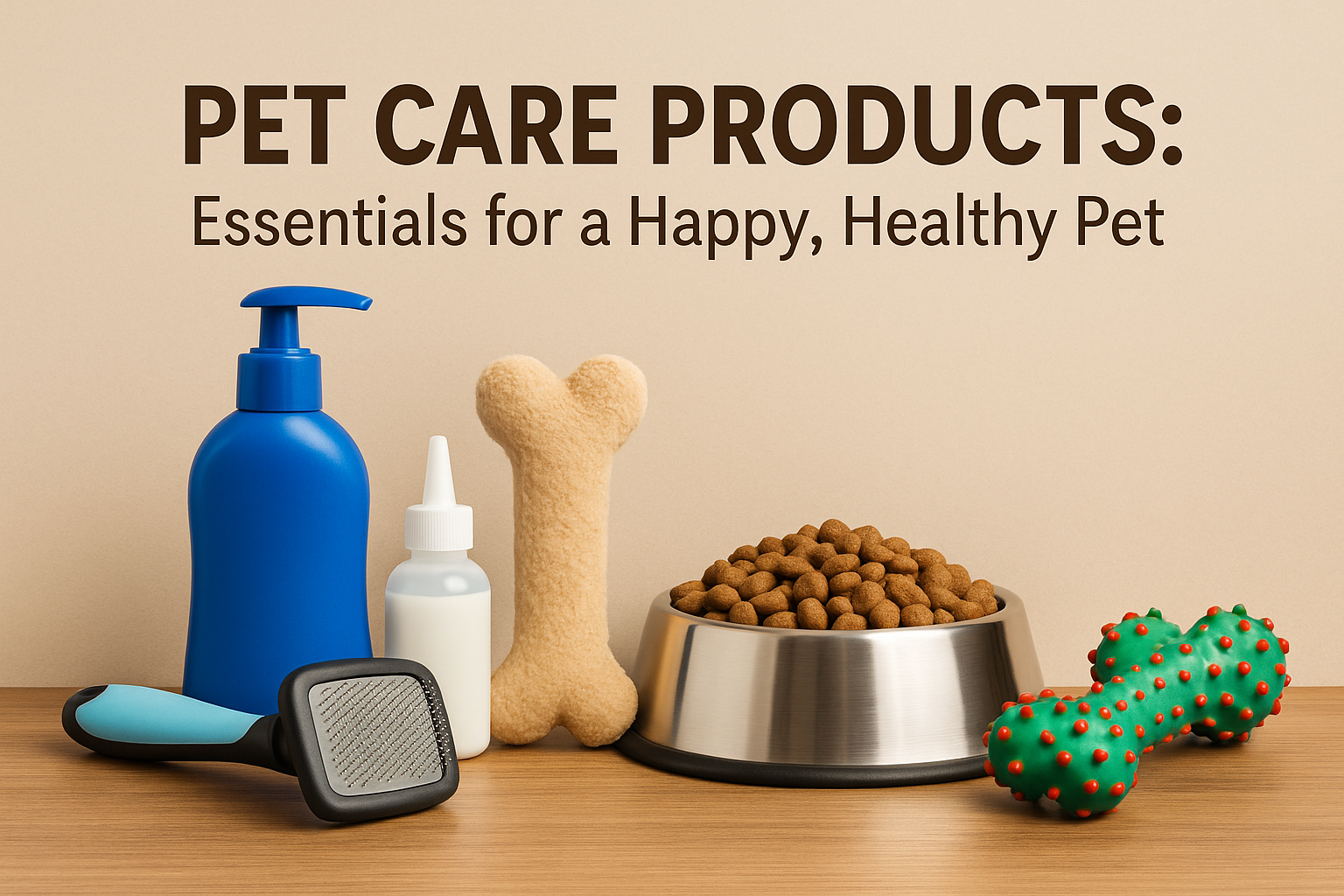
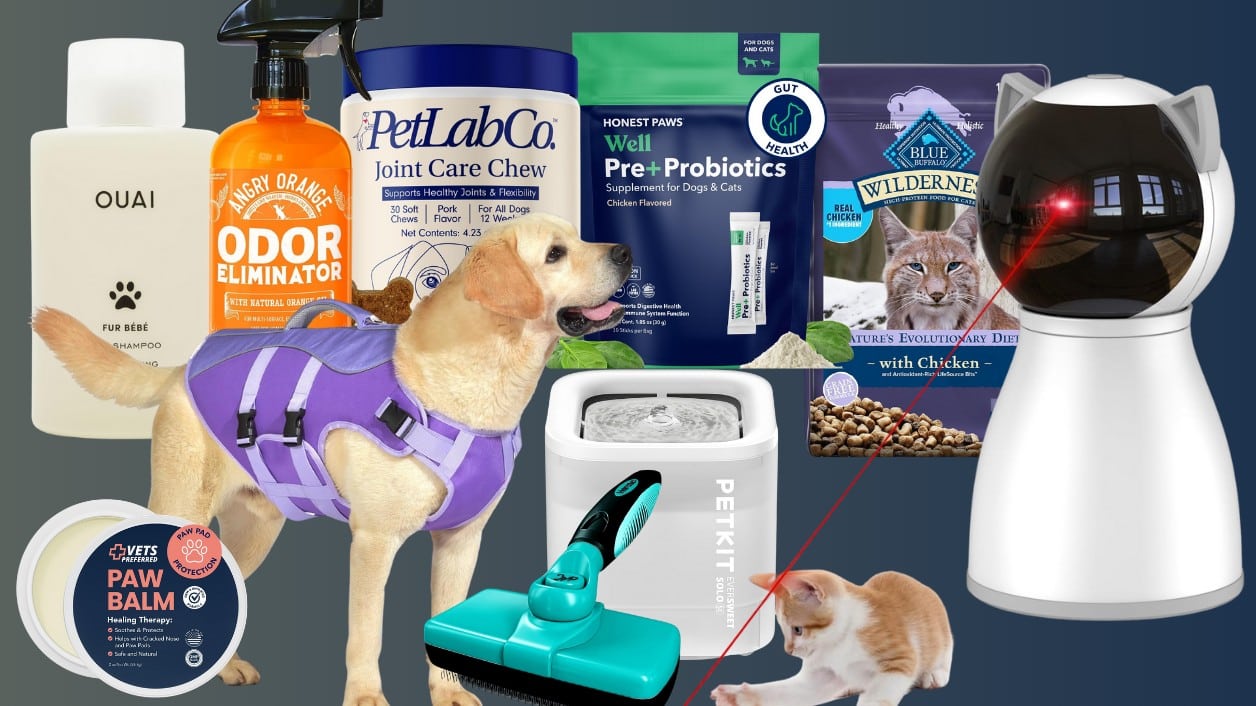
Dog care products refer to the specialized goods, tools, and accessories utilized to maintain a canine’s health, hygiene, safety, and daily enrichment. This broad category spans multiple functional areas, including grooming implements, dietary accessories, walking equipment, and environmental management tools. Grooming supplies typically involve brushes, combs, and specialized shampoos formulated for specific skin pH levels. Dietary accessories encompass feeding bowls designed to slow rapid consumption, secure food storage containers, and durable chewing items that promote dental mechanical action.
Beyond basic upkeep, the category includes structural items that safeguard the animal within the home and during transit. Crates, indoor exercise pens, and canine seatbelts or crash-tested travel harnesses fall under protective equipment. Environmental management tools also feature heavily, such as baby gates used to restrict access to hazardous zones like kitchens or stairs. Each designated subcategory serves a distinct purpose in fulfilling the behavioral and physiological needs of the domestic dog.
The Direct Impact of Everyday Supplies on Animal Wellness
The implementation of well-chosen equipment directly influences both physical health and behavioral stability by reducing environmental stressors and supporting proper hygiene. For instance, using ergonomic harnesses instead of standard neck collars during walks distributes pressure evenly across the sternum, protecting the delicate structures of the throat and trachea from injury. Similarly, interactive puzzle feeders engage cognitive faculties, mitigating boredom and preventing destructive behaviors rooted in under-stimulation.
Proper equipment selection, including well-fitted harnesses and appropriately sized chewing items, significantly reduces the incidence of preventable physical injuries and supports psychological enrichment in companion canines. — American Kennel Club
Conversely, poorly designed tools can induce chronic discomfort or exacerbate behavioral concerns. Equipment that causes pain or restriction often elicits fear-based reactions, complicating daily handling and training routines. Selecting items grounded in sound design principles ensures that everyday routines promote positive associations and reinforce a sense of security for the animal.
Evaluating and Implementing Effective Management Tools
Establishing a reliable routine with canine supplies begins with matching the tool directly to the individual animal’s life stage, size, and behavioral profile. When introducing new items, a gradual desensitization approach allows the animal to investigate sights, sounds, and textures without experiencing fear or hesitation. High-value food rewards can be paired with novel equipment to create positive emotional responses, transforming potentially intimidating objects into predictors of favorable outcomes.
Regular inspection and maintenance of all purchased items remain critical for preventing accidental ingestion or sudden equipment failure during use. Leashes, collars, and harnesses should be checked frequently for frayed stitching, cracked hardware, or weakened webbing. Toys and chews must be monitored for wear and tear, and any item that begins breaking into small, swallowable pieces should be discarded immediately.
Best Practices, Common Pitfalls, and Selection Strategies
Avoiding common errors in equipment selection prevents unnecessary frustration and ensures optimal utility. A frequent mistake involves purchasing items based purely on aesthetic appeal rather than functional suitability for the specific breed or coat type. For example, a fine-toothed slicker brush intended for long-coated breeds may cause discomfort when applied incorrectly to a short-haired dog with sensitive skin. Guardians must research specific material specifications and sizing guides prior to acquisition.
Routine inspection of all interactive items and walking equipment prevents accidental ingestion hazards and ensures that structural wear is identified before safety is compromised. — ASPCA Animal Poison Control Center
Pet Care & Wellness Overview Table
| Life Stage | Daily Activity Level | Key Nutrition / Care Focus |
|---|---|---|
| Puppy / Kitten | High (frequent short bursts) | High-protein growth diet & early socialization |
| Adult Companion | Moderate (30–60 mins daily) | Balanced maintenance nutrition & dental hygiene |
| Senior Pets | Low to Gentle (mindful walks) | Joint support (Glucosamine) & routine vet checks |
Images References







Another critical consideration involves avoiding unmonitored access to novel toys or chews, particularly during the initial introduction phase. Supervising how an animal interacts with a new item provides valuable insight into durability and chewing style, ensuring that potential hazards are identified early. Quality always supersedes quantity; investing in a few durable, versatile items yields better outcomes than accumulating a large volume of fragile, short-lived goods.
Tailoring Selections for Breed, Age, and Temperament
Individual characteristics such as age, skeletal structure, coat density, and behavioral temperament dictate which tools will prove safe and effective. Growing puppies require lightweight, appropriately sized collars and easily digestible chewing items that accommodate developing deciduous teeth without damaging jaw structures. Senior dogs, conversely, benefit from orthopedic resting mats, raised feeding stations that reduce cervical strain, and traction aids like non-slip rugs or booties to navigate slick indoor flooring.
Coat type heavily influences grooming requirements, necessitating specific brushes, undercoat rakes, or deshedding tools tailored to single or double coats. High-energy working breeds may require robust, high-durability interactive toys designed to withstand intense mechanical pressure, whereas calmer companion breeds often thrive with gentle puzzle games. Recognizing these nuanced individual differences ensures that chosen solutions align with biological reality.
When to Consult a Veterinarian or Certified Professional
Professional guidance becomes necessary whenever equipment selection intersects with unresolved behavioral challenges or underlying medical conditions. If a dog displays persistent anxiety, fear, or defensive reactions around certain tools, forcing compliance can escalate fear and deteriorate trust. In such instances, consulting a qualified, certified professional trainer or veterinary behaviorist ensures that behavior modification plans remain humane and effective.
Similarly, persistent skin irritations, unexplained lameness, or gastrointestinal disturbances linked to ingested foreign material require prompt evaluation by a licensed veterinarian. Medical professionals can diagnose underlying sensitivities or injuries, recommend therapeutic equipment tailored to rehabilitation, and rule out systemic health issues that generic retail items cannot address. Prioritizing expert consultation safeguards the animal’s health and ensures targeted, evidence-based intervention.
Enhancing Companion Animal Living Standards
Thoughtful selection and management of Dog Care supplies lay the foundation for a harmonious, healthy relationship between humans and their canine companions. By exploring specialized insights found throughout resources like Dog Training and Dog Health, guardians can make informed decisions that prioritize safety, enrichment, and comfort. Exploring topics related to Dog Breeds further sharpens the ability to match functional items with specific biological traits. Ultimately, investing time and care into evaluating everyday essentials contributes directly to a safe, stimulating, and fulfilling environment. Visit PetsAnimalsWorld.com for more guidance on supporting optimal companion well-being.