Understanding the Role of Technology in Canine Management
Modern pet guardianship increasingly incorporates electronic tools designed to assist with household management, behavioral shaping, and distance monitoring. According to the American Kennel Club, technological aids in canine husbandry have evolved rapidly, shifting from simple containment systems to sophisticated interactive devices that connect guardians to their animals across distances. A dog care remote control generally refers to handheld transmitters or smartphone applications that interface with automated feeders, training collars, boundary systems, or interactive home cameras. Examining these tools requires a balanced look at convenience, mechanical reliability, and canine psychology.
💡 Pet Care Key Takeaways:
- Core Focus: Practical health, nutrition, and wellness guidelines for Dog Care Remote Control.
- Target Scope: Pet owners, animal caregivers, and veterinary support staff.
- Best Recommendation: Maintain consistent daily routines and consult an accredited veterinarian before introducing major diet or medical changes.
Defining Dog Care Remote Control Devices
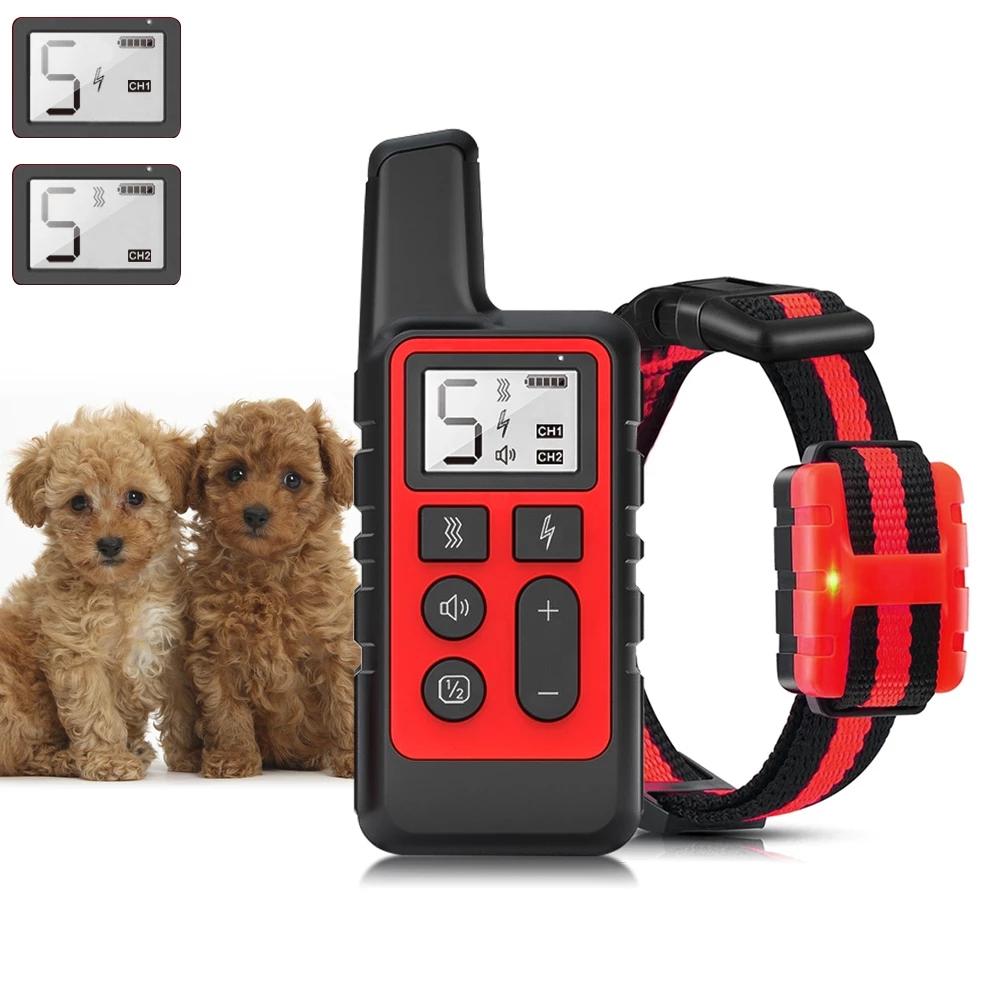
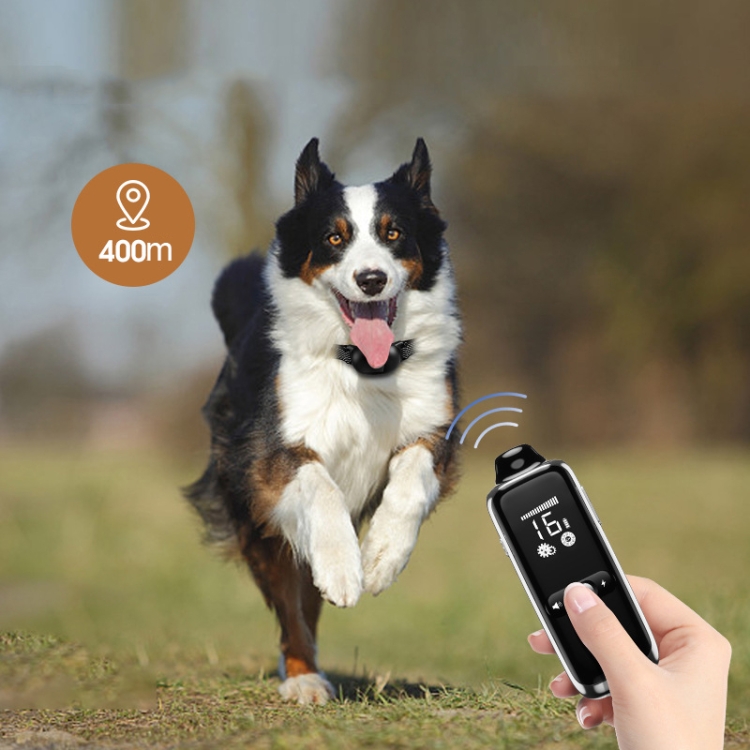
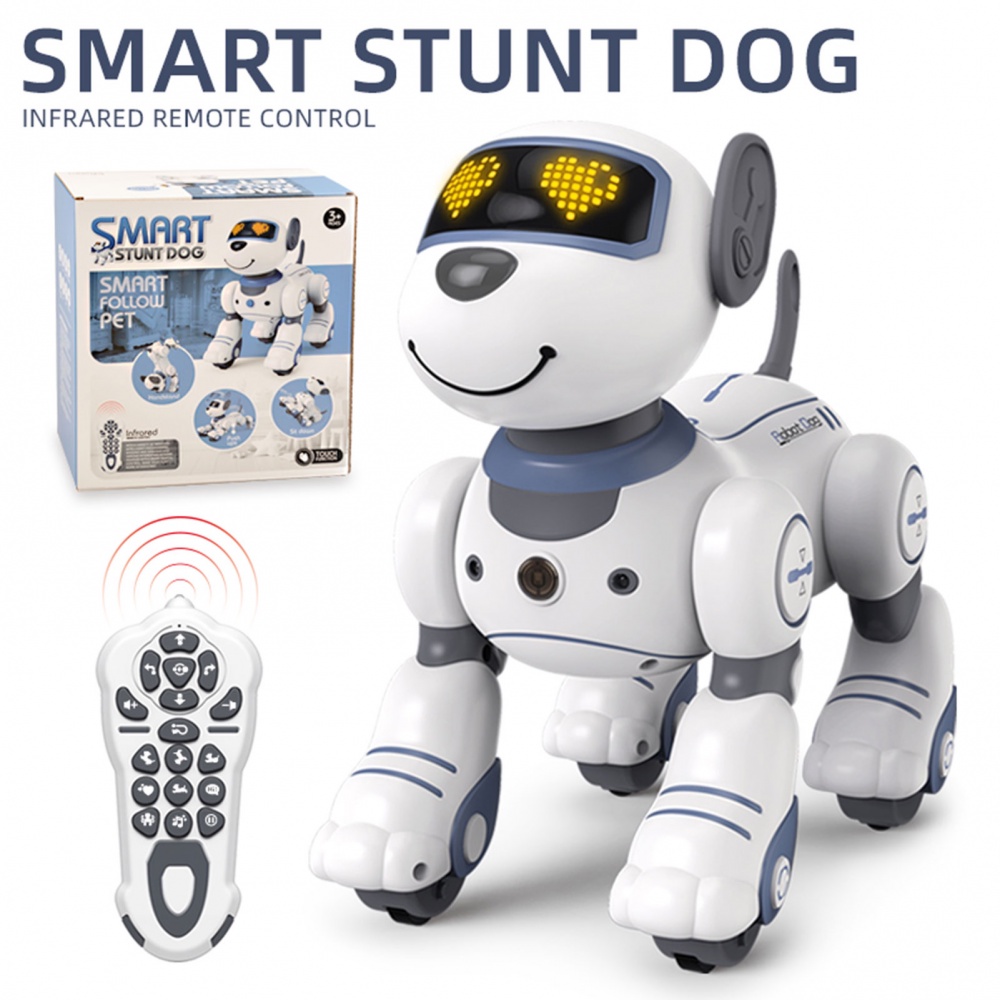
Dog care remote control technology encompasses any wireless apparatus used to manage, monitor, or interact with a domestic dog from a distance. These instruments range from automated treat dispensers activated via keychain clickers to electronic stimulus devices and smart-home audio intercoms. Each category serves a distinct purpose within everyday Dog Care routines. Handheld remotes often communicate via radio frequency or Bluetooth technology to trigger pre-recorded commands, dispense rewards, or emit sounds designed to capture canine attention when the animal is across the room or yard.
Behavioral and Psychological Impact on Canines
Remote-operated devices alter how dogs perceive environmental cues and human communication. When technology mediates interactions, animals may develop different association patterns compared to direct, face-to-face engagement with a human guardian. Positive reinforcement devices, such as remote-activated treat dispensers, encourage independent problem-solving and can alleviate mild separation anxiety by providing intermittent rewards. Conversely, tools that deliver aversive stimuli—such as static shocks or harsh tone-only corrections—frequently introduce confusion, fear, or chronic stress, potentially exacerbating underlying behavioral challenges rather than resolving them humanely.
Behavioral science indicates that positive reinforcement methods yield more reliable learning outcomes and lower stress levels in domestic dogs than aversive correction techniques. — American Veterinary Society of Animal Behavior
Implementing Remote Tools Responsibly
Successful integration of any technological aid relies on clear timing, consistent application, and strict adherence to humane standards. When utilizing automated or remote-controlled systems for household management, guardians must ensure the equipment enhances the animal’s sense of security rather than creating startling interruptions. Introducing any new device requires a gradual habituation phase, allowing the dog to investigate the apparatus without pressure. Pairing remote signals with established positive markers ensures the animal understands the expectation clearly without experiencing sudden distress from unfamiliar mechanical noises or automated movements.
Best Practices and Common Pitfalls to Avoid
Avoiding over-reliance on automated gadgets remains essential for maintaining a strong bond between human and animal. Technology should complement, never replace, direct physical exercise, mental enrichment, and social interaction. A frequent mistake involves pressing remote triggers inconsistently, which creates ambiguity and stalls learning progress. Furthermore, guardians must inspect equipment regularly for battery degradation, signal interference, or mechanical malfunctions that could startle or injure a sensitive animal. Prioritizing clear communication prevents confusion during everyday household routines.
Proper device calibration and gradual desensitization significantly reduce fear responses when introducing unfamiliar automated electronics into a dog’s environment. — Association of Professional Dog Trainers
Pet Care & Wellness Overview Table
| Life Stage | Daily Activity Level | Key Nutrition / Care Focus |
|---|---|---|
| Puppy / Kitten | High (frequent short bursts) | High-protein growth diet & early socialization |
| Adult Companion | Moderate (30–60 mins daily) | Balanced maintenance nutrition & dental hygiene |
| Senior Pets | Low to Gentle (mindful walks) | Joint support (Glucosamine) & routine vet checks |
Images References





Breed, Age, and Temperament Considerations
Individual characteristics dictate how receptive a specific animal will be to remotely managed environments and technological interventions. High-energy working breeds often engage enthusiastically with puzzle-based remote devices, whereas sensitive, timid, or noise-phobic dogs may experience acute distress from sudden automated sounds or mechanical whirs. Age also plays a critical role; senior dogs with declining vision or hearing might be easily startled by remote alerts, requiring modified approaches tailored to their sensory capacities. Evaluating individual temperament ensures that chosen tools support overall well-being across diverse Dog Breeds.
When to Consult a Professional
Persistent behavioral concerns, extreme fear reactions, or unexpected aggression require expert guidance rather than automated technological solutions. When remote management tools fail to resolve household conflicts or if a dog displays signs of severe anxiety, guardians should consult a qualified veterinary behaviorist or a certified humane trainer specializing in Dog Training. Veterinary professionals must also be involved if behavioral shifts stem from underlying physical pain, neurological issues, or sensory loss, ensuring the animal receives a comprehensive health evaluation.
Exploring Comprehensive Canine Resources
Navigating the vast landscape of modern canine husbandry requires ongoing education, careful observation, and a commitment to humane practices. Utilizing technology thoughtfully can streamline daily management while preserving the essential emotional bond shared between guardians and their animal companions. For further guidance on maintaining a healthy, balanced lifestyle for your canine family member, explore additional resources across Dog Health and related educational hubs at PetsAnimalsWorld.com.