Choosing the Right Dog Care Shampoo for Canine Skin Health
Selecting the appropriate dog care shampoo is a fundamental aspect of maintaining a canine companion’s overall physical well-being and dermal integrity. According to the American Kennel Club (AKC), canine skin differs significantly from human skin in both cellular structure and acid-base balance, meaning products formulated for people can easily disrupt the protective barrier of a dog. Maintaining the dermal ecosystem requires specialized formulations designed to respect physiological differences, prevent excessive moisture loss, and protect against environmental irritants. When pet owners understand the science behind canine skin, selecting the correct cleansing agent becomes a targeted routine rather than a random choice off a retail shelf.
💡 Pet Care Key Takeaways:
- Core Focus: Practical health, nutrition, and wellness guidelines for Dog Care Shampoo.
- Target Scope: Pet owners, animal caregivers, and veterinary support staff.
- Best Recommendation: Maintain consistent daily routines and consult an accredited veterinarian before introducing major diet or medical changes.
Understanding Formulations and Skin Physiology
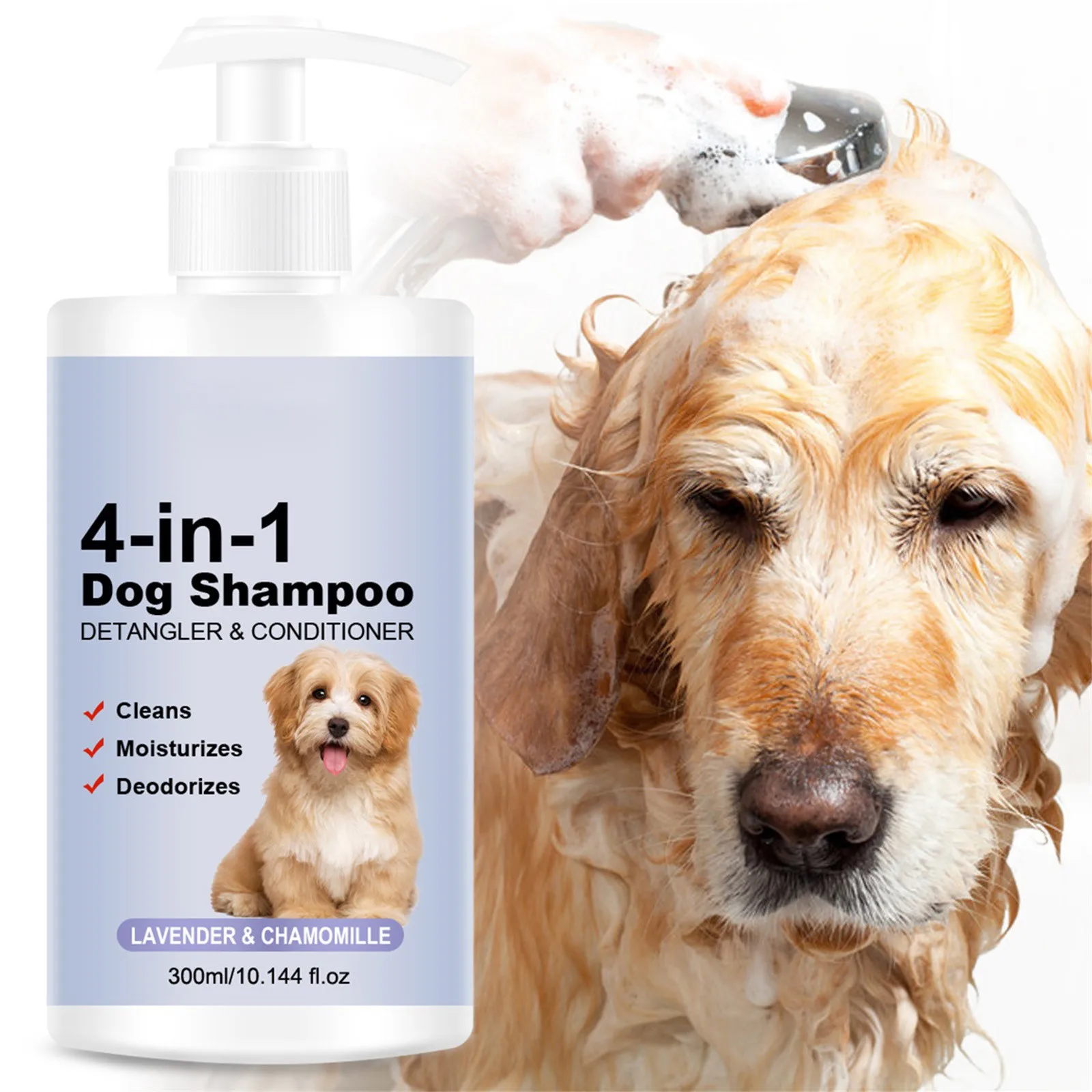
Dog care shampoo encompasses a specialized category of cleansing products engineered specifically for the unique pH levels and coat types of domestic canines. Human skin features an acidic pH typically hovering around 5.5, whereas canine skin maintains a more neutral pH range that usually spans between 6.2 and 7.5. Applying standard human cleansers to a dog can strip away the acid mantle, a thin lipid film on the surface of the skin that acts as a natural defense against harmful bacteria and pathogens. Consequently, a quality canine cleanser must balance surfactant technology—the compounds that lift dirt and oils—with moisturizing agents like oatmeal, aloe vera, or ceramides to ensure the skin remains hydrated and protected after a bath.
Protecting the Dermal Barrier and Preventing Irritation
Using an incorrect cleanser or washing too frequently can lead to compromised skin health, resulting in dryness, flaking, chronic itching, and secondary infections. When the delicate balance of the skin is disrupted by harsh chemicals, artificial fragrances, or strong detergents, microscopic cracks can form in the outer layer, allowing allergens and microbes to penetrate easily. Dogs with underlying sensitivities or allergies require particular care, making hypoallergenic or medicated options necessary components of routine Dog Care. Regular observation of a dog’s coat and skin texture helps caregivers identify early signs of irritation before minor discomfort develops into a persistent dermatological issue.
Canine skin possesses a thinner epidermal layer compared to human skin, consisting of only three to five cellular tiers, which makes it substantially more vulnerable to chemical irritation and moisture depletion. — American Kennel Club (AKC)
Best Practices for Bathing and Cleansing Routines
Implementing an effective bathing schedule involves more than simply applying soap and rinsing thoroughly with water. Water temperature plays a critical role; lukewarm water ensures the dog remains comfortable while allowing cleansers to lather and lift debris efficiently without scalding or chilling the animal. Thorough rinsing is equally vital, as residual soap left behind in the undercoat can dry into a powdery residue that attracts dirt and incites severe scratching. Establishing a calm, reassuring environment through positive association techniques helps minimize the stress often associated with hydrotherapy, ensuring the experience remains safe and manageable for both the dog and the human handler.
Avoiding Common Mistakes in Canine Coat Maintenance
Many well-meaning owners inadvertently damage their dog’s coat by committing frequent errors during the grooming process. A prevalent mistake involves using dish soap or human baby shampoo under the assumption that gentle formulas are universally safe, ignoring the crucial pH differences mentioned previously. Another common pitfall is over-bathing, which strips essential natural oils regardless of how mild the product claims to be. Furthermore, applying concentrated shampoo directly onto dry fur makes even distribution difficult and complicates the final rinsing phase. Diluting the product with water beforehand or choosing foaming dispensers ensures even coverage and prevents localized accumulation of surfactants on the skin.
Thorough rinsing is essential during canine bathing, as trapped detergent residues are among the leading causes of non-allergic contact dermatitis and pruritus in domestic dogs. — American Veterinary Medical Association (AVMA)
Pet Care & Wellness Overview Table
| Life Stage | Daily Activity Level | Key Nutrition / Care Focus |
|---|---|---|
| Puppy / Kitten | High (frequent short bursts) | High-protein growth diet & early socialization |
| Adult Companion | Moderate (30–60 mins daily) | Balanced maintenance nutrition & dental hygiene |
| Senior Pets | Low to Gentle (mindful walks) | Joint support (Glucosamine) & routine vet checks |
Images References



Tailoring Product Selection to Breed, Age, and Coat Type
Different breeds and developmental stages demand distinct formulations tailored to their specific anatomical and physiological needs. Short-haired breeds with smooth coats have different maintenance requirements than long, double-coated working dogs whose fur traps moisture and debris close to the epidermis. Puppies, with their developing immune systems and sensitive skin, generally require ultra-mild, tearless puppy-specific cleansers that will not overwhelm their delicate systems. Senior dogs, who may suffer from joint stiffness or thinning coats, benefit from nourishing formulas that soothe aching muscles while gently cleansing without requiring excessive scrubbing or prolonged standing times.
When to Consult a Veterinary Professional
While routine grooming maintains general hygiene, persistent dermatological symptoms require professional veterinary evaluation rather than over-the-counter remedies. If a dog exhibits severe redness, chronic scratching, hair loss, foul odors, or painful sores despite using appropriate grooming products, an underlying medical condition such as a bacterial infection, yeast overgrowth, or systemic allergy may be present. For persistent behavioral aversion to baths that creates safety risks, consulting a professional specializing in Dog Behavior can provide humane, stress-free desensitization strategies. Never attempt to treat undiagnosed skin lesions with medicated or prescription-strength shampoos without explicit guidance from a qualified veterinarian.
Ensuring Optimal Coat Health and Wellness
Maintaining a radiant coat and healthy skin requires ongoing dedication, patience, and attention to detail. By prioritizing specialized formulations, adhering to safe bathing practices, and monitoring for any signs of discomfort, pet owners can significantly enhance their companion’s daily comfort and long-term vitality. For additional guidance on keeping pets healthy and happy, explore more resources right here at PetsAnimalsWorld.com, including helpful insights on Dog Health and optimal Dog Nutrition to support skin wellness from the inside out.