Understanding the Role of Doggie Day Care in Edmonton
Modern urban living often presents challenges for pet owners who balance professional commitments with the essential needs of their canine companions. In a city like Edmonton, where seasonal weather fluctuations can limit outdoor exercise opportunities, finding consistent ways to keep a dog mentally stimulated and physically active is a priority for responsible pet guardianship. Doggie day care provides a structured environment designed to facilitate supervised social interaction, exercise, and enrichment during the workday. According to the American Kennel Club, regular social interaction and physical activity are fundamental to maintaining a dog’s overall well-being and preventing the development of undesirable behaviors resulting from boredom or confinement.
💡 Pet Care Key Takeaways:
- Core Focus: Practical health, nutrition, and wellness guidelines for Doggie Day Care Edmonton.
- Target Scope: Pet owners, animal caregivers, and veterinary support staff.
- Best Recommendation: Maintain consistent daily routines and consult an accredited veterinarian before introducing major diet or medical changes.
Defining Professional Doggie Day Care in Edmonton
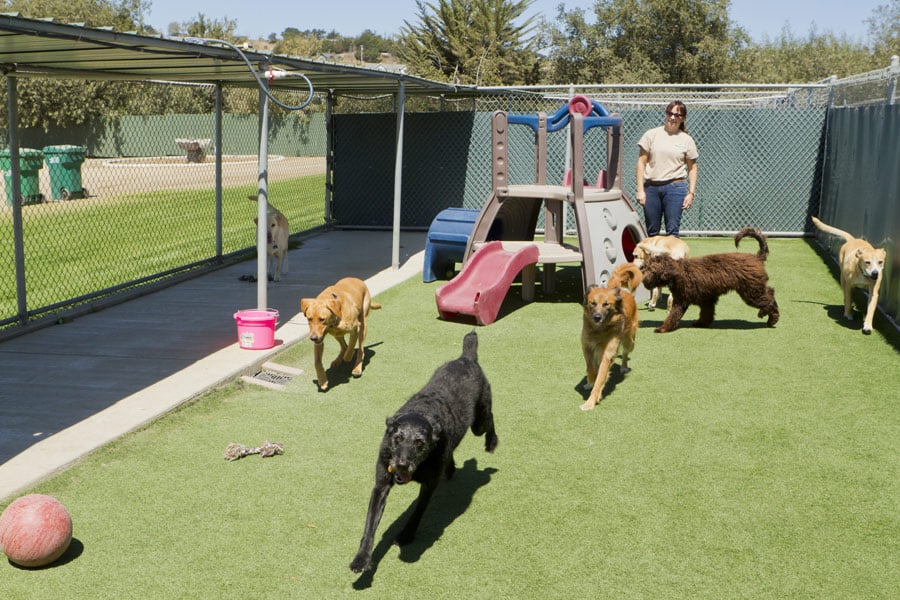
Doggie day care in Edmonton refers to facilities that offer daytime supervision for dogs, usually in a group setting, while their owners are away. These environments differ significantly from standard boarding kennels, as the primary focus is active engagement rather than overnight lodging. High-quality facilities typically utilize staff-to-dog ratios that ensure constant oversight, allowing for the observation of body language and the management of play styles. Effective supervision is essential to prevent over-arousal, which occurs when a dog becomes too stimulated by the environment, potentially leading to increased stress or conflict. Owners should look for establishments that prioritize safety protocols, sanitation standards, and a clear understanding of canine communication.
The Impact of Group Environments on Canine Health and Behavior
The influence of group settings on a dog’s health and behavior is multifaceted, involving both positive social development and potential risks related to stress or injury. While many dogs thrive in environments where they can engage in appropriate play, others may find the constant presence of unfamiliar dogs overwhelming. It is important for owners to monitor their pet for signs of anxiety, such as excessive panting, pacing, or attempts to withdraw from the group. Furthermore, in any environment where multiple dogs congregate, the transmission of communicable illnesses—such as canine cough or parasitic infections—becomes a consideration. Maintaining up-to-date vaccinations and regular Dog Health screenings is a standard requirement for reputable centers to minimize these risks.
Socialization is a lifelong process that requires positive, controlled exposure to various environments and individuals to help dogs navigate the world with confidence and reduced anxiety. — American Veterinary Medical Association
Evaluating and Selecting a Facility
Selecting the right day care involves a thorough assessment of the facility’s operational philosophy and safety measures. Prospective clients should inquire about the behavioral criteria used for group placement, as mixing dogs of vastly different sizes or play styles can increase the risk of injury. A transparent facility will often conduct a temperament assessment to determine if a dog is a suitable candidate for group play or if they require a more individualized care plan. During a site visit, observe the cleanliness of the play areas, the demeanor of the staff, and whether the dogs appear relaxed and engaged rather than fearful or chaotic. Understanding the facility’s Dog Behavior policies, specifically how they manage conflicts or quiet time, provides insight into their professional standards.
Best Practices for a Positive Experience
Consistency and gradual introduction are key to ensuring a dog adjusts well to a new day care routine. Many dogs benefit from short, half-day sessions initially to become accustomed to the environment before transitioning to full-day attendance. Owners should avoid the mistake of assuming all dogs enjoy large group play; some animals prefer human companionship or solitary enrichment activities. Providing the facility with clear instructions regarding dietary needs, medical conditions, and specific behavioral triggers ensures that the staff can provide tailored care. Additionally, maintaining a regular schedule helps the dog predict their daily routine, which can significantly reduce stress levels associated with transitions.
Environmental enrichment, including interactive play and sensory stimulation, is essential for promoting canine psychological health and mitigating the effects of social isolation. — American Society for the Prevention of Cruelty to Animals
Pet Care & Wellness Overview Table
| Life Stage | Daily Activity Level | Key Nutrition / Care Focus |
|---|---|---|
| Puppy / Kitten | High (frequent short bursts) | High-protein growth diet & early socialization |
| Adult Companion | Moderate (30–60 mins daily) | Balanced maintenance nutrition & dental hygiene |
| Senior Pets | Low to Gentle (mindful walks) | Joint support (Glucosamine) & routine vet checks |
Images References








Temperament, Age, and Breed Considerations
The suitability of doggie day care is heavily dependent on the individual dog’s personality, life stage, and physical requirements. Puppies, for instance, have different needs for rest and social structure compared to senior dogs, who may require a more relaxed environment with less physical demand. Certain breeds known for high energy levels or strong herding instincts may require specialized management to ensure they do not become overly fixated on other dogs. Exploring information on Dog Breeds can help owners understand typical characteristics that might influence their pet’s success in a group setting. Ultimately, a dog’s past socialization history and current health status should always guide the decision-making process.
When to Consult a Professional
If a dog displays persistent signs of fear, aggression, or extreme distress when visiting a day care, it is imperative to consult with a veterinarian or a certified professional dog trainer. These professionals can help determine if the behavior is a result of a medical issue or a behavioral concern that requires a more structured, individualized approach. Attempting to force a dog to adapt to an environment that causes chronic stress can exacerbate behavioral problems and negatively impact their long-term welfare. When addressing training or behavioral concerns, always prioritize humane, evidence-based methods and seek assistance from experts who adhere to professional standards of care.
Supporting Long-Term Canine Wellness
Finding a reliable day care is just one component of comprehensive Dog Care. By combining thoughtful facility selection with ongoing monitoring of a dog’s health, behavior, and physical condition, owners can provide a balanced lifestyle that supports their pet’s needs. For more resources on maintaining your dog’s happiness and health, explore the guides available at PetsAnimalsWorld.com. Whether focusing on Dog Nutrition or advanced Dog Training, informed decisions remain the cornerstone of a fulfilling life for every canine companion.