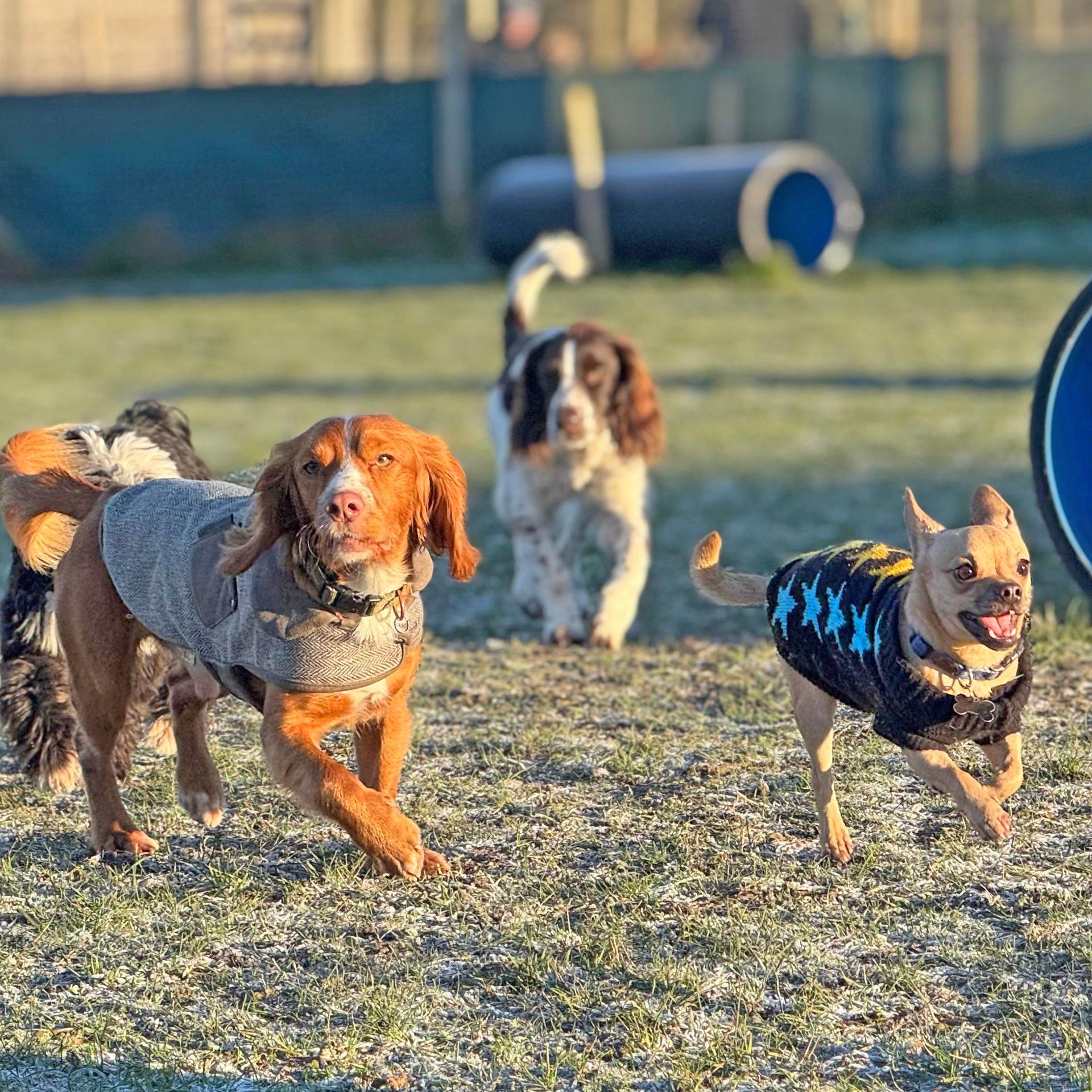
Understanding the Social Hierarchy of Group Play Environments
According to the American Kennel Club (AKC), social structure among domestic dogs in group settings often reflects subtle communication strategies rather than rigid dominance hierarchies. When multiple dogs share an enclosed group environment, certain individuals naturally emerge as assertive participants who dictate the flow of play, monitor spatial boundaries, and occasionally police the interactions of other attendees. Understanding these prominent personalities is essential for maintaining a safe, low-stress environment in communal pet facilities. Canine social dynamics are nuanced, requiring careful observation from supervisors to ensure that confidence does not transition into intimidation.
💡 Pet Care Key Takeaways:
- Core Focus: Practical health, nutrition, and wellness guidelines for Doggy Day Care Queens.
- Target Scope: Pet owners, animal caregivers, and veterinary support staff.
- Best Recommendation: Maintain consistent daily routines and consult an accredited veterinarian before introducing major diet or medical changes.
Defining the Dominant Playgroup Personalities
The term doggy day care queens generally describes high-confidence female dogs who establish themselves as central figures within a playgroup. These animals typically exhibit strong territorial or positional awareness, preferring to oversee the play yard, dictate movement patterns, and control access to popular areas like water stations or resting benches. Far from being inherently aggressive, these confident participants often possess clear communication skills, using subtle body postures, stiffening, or low-pitched vocalizations to set boundaries for overly exuberant peers. Recognizing these behavioral archetypes helps facility staff and pet owners anticipate social friction before it escalates into conflict.
Behavioral and Environmental Impacts on Group Harmony
The presence of assertive leaders in a shared environment significantly influences the overall stress levels, emotional well-being, and physical safety of every dog in the room. Unchecked assertiveness can lead to social marginalization, where more submissive or sensitive dogs become reluctant to move freely, drink water, or engage in healthy physical play. Conversely, a well-balanced social leader who communicates clear boundaries without resorting to bullying can actually help stabilize a chaotic playgroup by keeping over-aroused participants in check. Proper environmental management is therefore necessary to prevent resource guarding, excessive herding behaviors, and chronic stress, promoting healthy Dog Behavior outcomes across all group members.
Group play environments require continuous active supervision to prevent subtle postural shifts from escalating into conflict among socially assertive dogs. — International Association of Animal Behavior Consultants
Managing Socially Confident Personalities in Group Settings
Managing assertive group participants requires a combination of thoughtful group placement, environmental enrichment, and structured rest periods to prevent over-arousal. Facility operators and experienced handlers utilize dynamic grouping strategies, ensuring that highly confident dogs are paired with compatible peers who respect social boundaries. Introducing designated quiet zones, multiple water stations, and independent enrichment activities helps reduce resource competition that frequently triggers policing behaviors. Regular rotational breaks remove animals from high-stimulation environments before fatigue lowers their threshold for frustration, supporting sustainable Dog Care practices in commercial group settings.
Best Practices and Common Pitfalls in Group Management
Preventing behavioral strain requires avoiding common operational missteps, such as ignoring subtle freeze signals or assuming that continuous high-energy play is universally beneficial. Handlers should never rely on outdated dominance theories or punitive corrections when addressing assertive interactions, as fear and punishment increase physiological stress and reactivity. Instead, staff members implement positive redirection, proactive spatial management, and calm interruptions to de-escalate tension. Owners exploring structured socialization should prioritize facilities that maintain low staff-to-dog ratios, perform thorough behavioral evaluations, and customize play groups based on individual play styles rather than purely on size or age.
Mandatory rest periods significantly lower cortisol levels and reduce reactive incidents in group boarding and day care environments. — Association of Professional Dog Trainers
Pet Care & Wellness Overview Table
| Life Stage | Daily Activity Level | Key Nutrition / Care Focus |
|---|---|---|
| Puppy / Kitten | High (frequent short bursts) | High-protein growth diet & early socialization |
| Adult Companion | Moderate (30–60 mins daily) | Balanced maintenance nutrition & dental hygiene |
| Senior Pets | Low to Gentle (mindful walks) | Joint support (Glucosamine) & routine vet checks |
Images References


Temperament, Breed, and Developmental Considerations
Individual predisposition toward assertive leadership varies widely based on developmental stage, individual temperament, and genetic background. Adolescent dogs navigating social maturity frequently test boundaries, while senior dogs may exhibit lower tolerance for chaotic play styles and prefer quiet supervision roles. Certain herding and guarding lineages possess an innate drive to control movement and organize their surroundings, which can manifest as persistent monitoring in crowded group settings. Evaluating each animal as an individual rather than relying on broad Dog Breeds stereotypes ensures appropriate placement and safeguards emotional health.
When to Seek Professional Behavioral Guidance
Persistent policing, persistent resource guarding, or escalated conflicts within a group setting warrant professional intervention from a qualified veterinary behaviorist or certified professional dog trainer. Owners should consult an expert if an animal exhibits escalating fear, intense reactivity, or signs of chronic stress that persist outside the group environment. For guidance on maintaining optimal wellness during behavioral transitions, review resources on Dog Health to ensure underlying physical discomfort is not driving behavioral changes.
Navigating the complexities of group play requires ongoing education, careful observation, and a commitment to individual welfare above all else. By understanding the motivations behind assertive social behaviors, pet owners can make informed decisions about communal settings and enrichment opportunities. Explore additional insights and guidance across Dog Training and other valuable sections to support a balanced lifestyle. Visit PetsAnimalsWorld.com for more expert-backed resources dedicated to animal well-being.