Equipping Domestic Canines for Successful Learning Environments
According to the American Society for the Prevention of Cruelty to Animals, successful behavioral education relies heavily on consistency, clear communication, and the proper selection of physical tools to support learning. Establishing a productive learning environment requires more than good intentions; it demands an organized array of physical equipment designed to facilitate clear communication between handlers and domestic canines. A thoughtfully assembled dog training kit serves as a centralized collection of resources that makes educational sessions more efficient, structured, and rewarding for the animal. Dogs thrive in predictable routines where cues are paired with immediate feedback, and having the right supplies close at hand prevents frustrating delays during critical learning windows. Canines naturally explore the world through scent, sound, and movement, meaning preparation is essential to keep their attention focused on structured activities rather than environmental distractions. Whether teaching basic household manners or advanced obedience, maintaining a dedicated set of educational gear removes guesswork and establishes a smooth, reliable workflow for every session.
💡 Pet Care Key Takeaways:
- Core Focus: Practical health, nutrition, and wellness guidelines for Dog Training Kit.
- Target Scope: Pet owners, animal caregivers, and veterinary support staff.
- Best Recommendation: Maintain consistent daily routines and consult an accredited veterinarian before introducing major diet or medical changes.
Understanding the Core Components of a Comprehensive Set
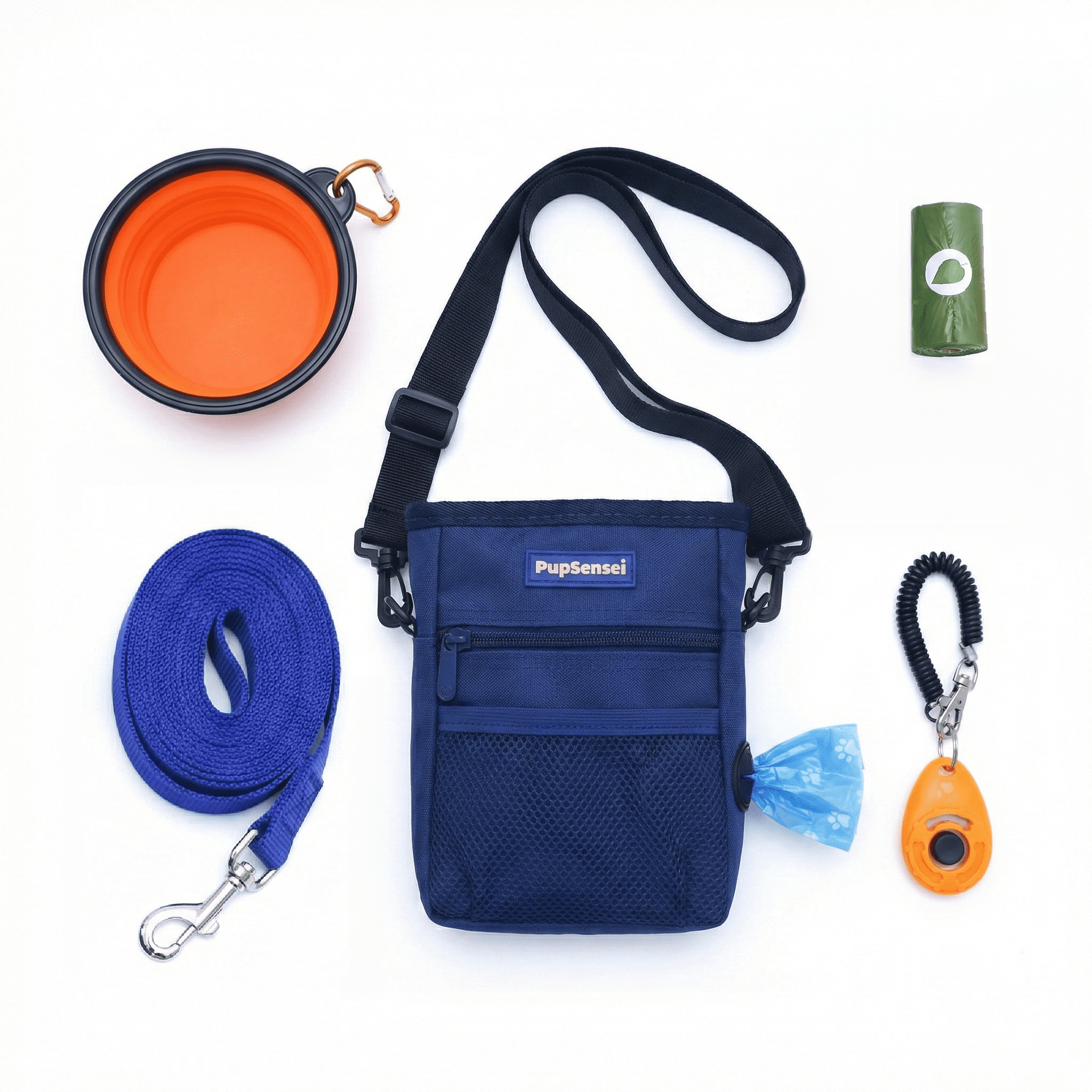
A standard dog training kit comprises several essential items specifically designed to reinforce desirable behaviors through positive reinforcement methodologies. At the heart of this collection is a marker, which is typically a mechanical clicker or a designated verbal sound used to pinpoint the exact microsecond the animal performs the correct action. High-value treats, meaning small, palatable food morsels that a canine finds exceptionally motivating, are stored within an easily accessible pouch worn around the waist. Additionally, a sturdy standard leash measuring six feet in length and a comfortable, properly fitted flat collar or front-clip harness are included to manage physical positioning safely without causing discomfort. Long lines, which are extended leashes used for distance work, and puzzle toys or target sticks often round out an advanced collection, providing versatile options for various skill levels. Each item plays a distinct role in shaping behavior, ensuring that the physical apparatus supports humane, evidence-based instruction rather than relying on punitive measures. For more related activities, check out our Dog Training In My Area.
The Behavioral and Psychological Impact of Structured Equipment
Utilizing organized educational supplies directly influences canine neuroplasticity, which is the brain’s ability to reorganize itself by forming new neural connections during learning. When tools like clickers and treat pouches are deployed consistently, animals rapidly form clear cognitive associations between specific actions and favorable outcomes. This predictable structure significantly reduces anxiety and confusion, fostering a confident mindset that accelerates skill acquisition. Dogs possess acute observational skills, often reading subtle handler body language; standardizing the gear used during lessons helps eliminate mixed signals. For instance, putting on a specific training harness can act as a discriminative stimulus—a contextual cue that signals to the animal that a focused learning session has begun, setting a calm and receptive mental state.
Positive reinforcement methods, supported by proper equipment and clear markers, produce more reliable behavioral outcomes and lower stress levels in domestic canines compared to aversive techniques. — American Veterinary Society of Animal Behavior
Implementing and Managing Educational Gear Effectively
Integrating the contents of a dog training kit into daily routines requires patience, precise timing, and a clutter-free environment. Handlers should introduce each piece of equipment gradually, allowing the animal to inspect and acclimate to items like clickers or leashes without pressure. Sessions ought to remain brief—typically lasting between five to fifteen minutes—to maintain high engagement levels and prevent mental fatigue in the animal. Treats must be kept tiny, roughly the size of a pea, so the canine can consume them instantly and return focus to the lesson without disrupting the rhythm of the exercise. Keeping the gear organized in a designated storage container ensures that everything needed for a session is readily available, minimizing downtime and maintaining the animal’s undivided attention.
Best Practices and Common Mistakes to Avoid
Maximizing the effectiveness of an educational collection requires adherence to established animal behavior principles while actively avoiding common pitfalls. A frequent mistake involves overloading the animal with heavy, complicated gear before basic obedience foundations are securely established. Handlers should ensure that food rewards do not replace regular dietary needs; treats used during educational sessions must be factored into the animal’s daily caloric intake to prevent excessive weight gain. Furthermore, tools must never be used to intimidate, startle, or inflict pain, as aversive methods damage trust and often exacerbate fear-based behaviors. Always inspect physical items like leashes and harnesses regularly for wear and tear to guarantee safety during active outdoor lessons.
Keeping educational sessions brief and pairing them with appropriate, bite-sized rewards helps maintain high motivation and prevents cognitive overload in learning canines. — American Kennel Club
Pet Care & Wellness Overview Table
| Life Stage | Daily Activity Level | Key Nutrition / Care Focus |
|---|---|---|
| Puppy / Kitten | High (frequent short bursts) | High-protein growth diet & early socialization |
| Adult Companion | Moderate (30–60 mins daily) | Balanced maintenance nutrition & dental hygiene |
| Senior Pets | Low to Gentle (mindful walks) | Joint support (Glucosamine) & routine vet checks |
Images References



Tailoring Selections for Breed, Age, and Temperament
Physical and psychological characteristics dictate that equipment must be customized to suit the specific breed, age, and individual temperament of the dog. A delicate toy breed requires lightweight, miniature accessories, whereas a robust working breed needs heavy-duty, reinforced leashes and wide, supportive collars or harnesses that distribute pressure evenly. Puppies have shorter attention spans and smaller mouths, benefiting from soft, easily chewable rewards and rapid-fire clicker markers, while senior dogs may require softer bedding or supportive surfaces during stationary exercises. Understanding individual behavioral nuances ensures that the chosen items respect the animal’s physical limits and psychological comfort zones, creating an inclusive and accommodating learning atmosphere.
When to Consult a Qualified Professional
Persistent behavioral challenges or severe emotional distress require expert intervention beyond the scope of a standard educational collection. If a canine exhibits sudden aggression, intense reactivity, severe separation anxiety, or deep-seated phobias, standard equipment and basic positive reinforcement may prove insufficient. In such cases, seeking guidance from a certified professional dog trainer or a veterinary behaviorist is essential for developing a customized, safe modification plan. Additionally, any sudden behavioral shifts should prompt an immediate veterinary examination to rule out underlying medical conditions, pain, or sensory loss that could be influencing the animal’s conduct.
Closing Resources for Dedicated Pet Owners
Equipping oneself with the right knowledge and tools is the foundation of a harmonious relationship between humans and their canine companions. Exploring specialized resources on PetsAnimalsWorld.com can deepen understanding across various aspects of animal husbandry and behavior. For further reading, explore dedicated guides on Dog Training, learn about behavioral psychology through Dog Behavior, review essential wellness tips in Dog Care, and discover physiological insights within Dog Health.