
Understanding the Modern Landscape of Canine Education and Safety Tools
According to the American Veterinary Medical Association, behavioral issues remain one of the primary reasons companion animals are relinquished to shelters, highlighting the profound importance of effective, humane education strategies. Modern canine mentorship places immense value on establishing clear communication, mutual trust, and positive reinforcement. Navigating the myriad of available tools can prove challenging for dedicated guardians striving to create a harmonious household. Among these devices, electronic deterrents often spark significant debate within the professional community. Examining the realities behind these instruments requires a balanced look at behavioral science, animal welfare, and the physiology of domestic canines. Educational resources focusing on proper guidance can be found within specialized libraries like Dog Training to help owners make informed decisions.
💡 Pet Care Key Takeaways:
- Core Focus: Practical health, nutrition, and wellness guidelines for Dog Training Zapper.
- Target Scope: Pet owners, animal caregivers, and veterinary support staff.
- Best Recommendation: Maintain consistent daily routines and consult an accredited veterinarian before introducing major diet or medical changes.
Defining the Mechanism and Function of Electronic Shock Collars
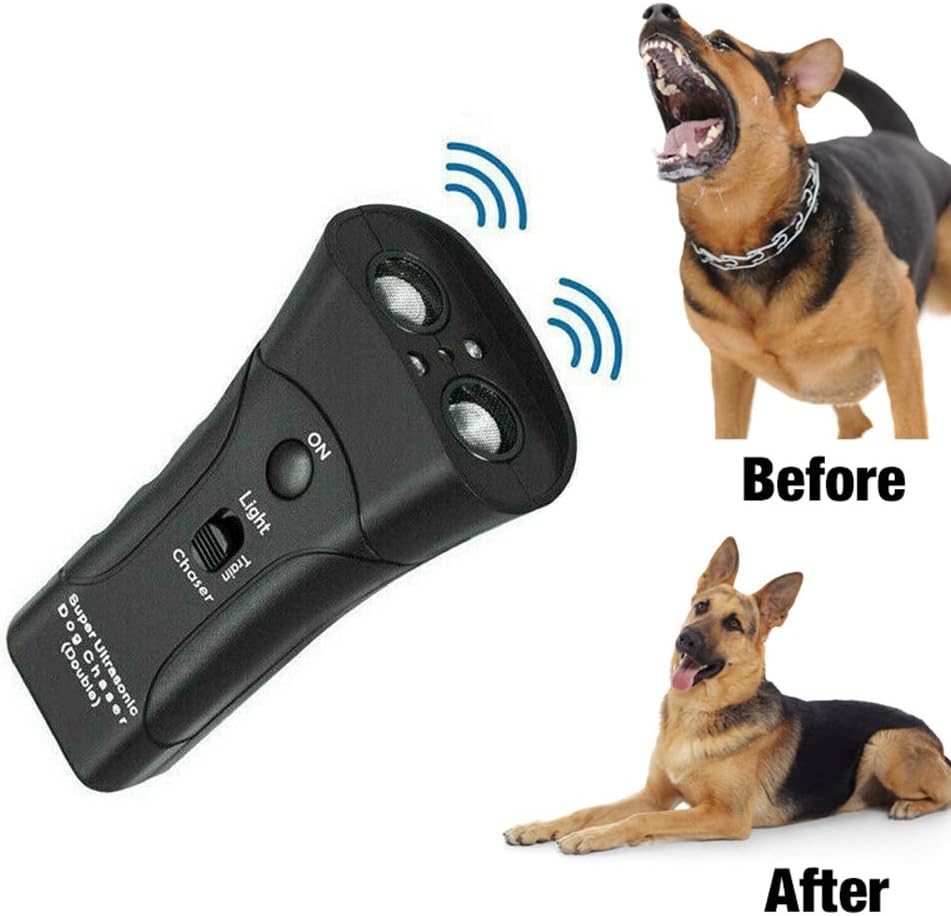
A dog training zapper, commonly referred to as an electronic collar or e-collar, is a device designed to deliver an aversive stimulus—ranging from an audible tone or vibration to a static electric shock—directly to a receiver strapped around a canine’s neck. These instruments are typically operated via a remote handheld transmitter controlled by a human handler. The underlying operational philosophy relies on positive punishment and negative reinforcement, meaning an unpleasant consequence is applied to decrease the frequency of an undesired behavior. While manufacturers often market these items as versatile solutions for off-leash control or stubborn habits, animal behaviorists evaluate them through the lens of stress physiology and emotional well-being.
Evaluating the Psychological and Physical Impact on Companion Canines
The implementation of aversive electrical stimuli can induce acute fear, anxiety, and confusion, frequently compromising the foundational bond between human and animal. Canines process environmental stimuli through associative learning; when a painful sensation occurs, the animal may associate that pain not with the specific command or action, but with nearby people, other animals, or completely unrelated ambient elements. This phenomenon frequently triggers defensive aggression or generalized phobias. Contemporary veterinary behavioral consensus emphasizes that fear-based methods carry substantial risks of escalating reactivity rather than resolving the root cause of the behavior.
Behavioral welfare organizations caution that aversive training methods utilizing electrical shocks can elevate baseline stress hormones, such as cortisol, potentially increasing the risk of defensive aggression in companion canines. — American Veterinary Society of Animal Behavior
Exploring Humane Alternatives and Reward-Based Educational Frameworks
Shifting the focus toward science-based positive reinforcement cultivates a cooperative learning environment where animals willingly participate in desired tasks. Reward-based strategies involve marking and reinforcing correct choices using high-value treats, praise, or play, thereby building strong neural pathways associated with safety and success. Consistent daily routines, proactive management of environmental triggers, and clear, predictable cues eliminate the need for punitive gadgets. Establishing this constructive foundation promotes emotional stability and encourages long-term behavioral reliability without inducing distress.
Best Practices for Behavioral Modification and Avoiding Common Mistakes
Successful behavioral shaping hinges on timing, consistency, and clear communication rather than physical intimidation or startling interruptions. A frequent misstep among pet guardians involves reacting after a behavior has already occurred, which leaves the canine unable to connect the consequence with the action. Instead, proactive management—such as utilizing secure leashes, baby gates, or specialized training leads—prevents unwanted habits from rehearsing in the first place. Furthermore, patience remains paramount, as sustainable cognitive development in domestic animals requires repetition and positive association over time. For those seeking broader insights into daily management, resources dedicated to Dog Care offer valuable daily routines.
Studies on canine cognition indicate that reward-based educational techniques yield higher rates of obedience and lower indicators of stress-related displacement behaviors compared to methods incorporating static electric stimuli. — Journal of Veterinary Behavior
Pet Care & Wellness Overview Table
| Life Stage | Daily Activity Level | Key Nutrition / Care Focus |
|---|---|---|
| Puppy / Kitten | High (frequent short bursts) | High-protein growth diet & early socialization |
| Adult Companion | Moderate (30–60 mins daily) | Balanced maintenance nutrition & dental hygiene |
| Senior Pets | Low to Gentle (mindful walks) | Joint support (Glucosamine) & routine vet checks |
Images References





Accounting for Individual Differences in Breed, Age, and Temperament
Every domestic dog possesses a distinct genetic background, developmental history, and sensory sensitivity that influences how they perceive environmental pressures. High-drive working breeds, sensitive companion animals, and senior dogs all require tailored approaches that honor their individual physical and psychological limits. Applying standardized aversive tools across diverse populations fails to account for individual vulnerability, potentially causing severe psychological harm to more sensitive individuals. Tailoring educational protocols to match specific personality traits ensures a safer, more effective learning experience.
Recognizing the Need for Professional Veterinary Guidance and Certified Support
Persistent behavioral challenges such as severe reactivity, resource guarding, separation anxiety, or generalized fear require the intervention of qualified professionals rather than punitive gadgets. Certified applied animal behaviorists and veterinary behaviorists possess the expertise to diagnose underlying medical or psychological contributors to unwanted conduct. Consulting a licensed veterinarian ensures that pain or underlying illness is ruled out before initiating any behavioral modification plan. Exploring specialized resources in Dog Health can further assist guardians in identifying subtle signs of physical discomfort that might manifest as behavioral changes.
Cultivating Harmonious Partnerships Through Compassionate Understanding
Building a resilient, trusting relationship with a canine companion relies on empathy, education, and ethical stewardship. By prioritizing humane, scientifically validated methodologies, guardians protect the emotional and physical welfare of their animals while achieving reliable obedience. Embracing patience and clear communication transforms everyday training into a rewarding bonding experience for both species. Discover more expert guidance, wellness tips, and resources by visiting PetsAnimalsWorld.com and exploring specialized categories dedicated to enhancing the lives of your beloved animal family members.