

Understanding the Role of Electronic Collars in Canine Education
Navigating the vast landscape of canine training tools often leads owners to explore various technological aids designed to assist in behavior modification. Among these tools, the device frequently referred to as a dog training zapper collar—technically categorized as a remote electronic collar or e-collar—remains a subject of significant discussion within the animal welfare and training communities. According to the American Veterinary Society of Animal Behavior, training methods that rely on positive reinforcement are most effective and carry the lowest risk of adverse behavioral outcomes. Understanding the mechanics, implications, and appropriate application of any training device is essential for maintaining a healthy, trusting relationship between a guardian and a canine companion.
💡 Pet Care Key Takeaways:
- Core Focus: Practical health, nutrition, and wellness guidelines for Dog Training Zapper Collar.
- Target Scope: Pet owners, animal caregivers, and veterinary support staff.
- Best Recommendation: Maintain consistent daily routines and consult an accredited veterinarian before introducing major diet or medical changes.
Defining the Mechanism of Electronic Training Collars
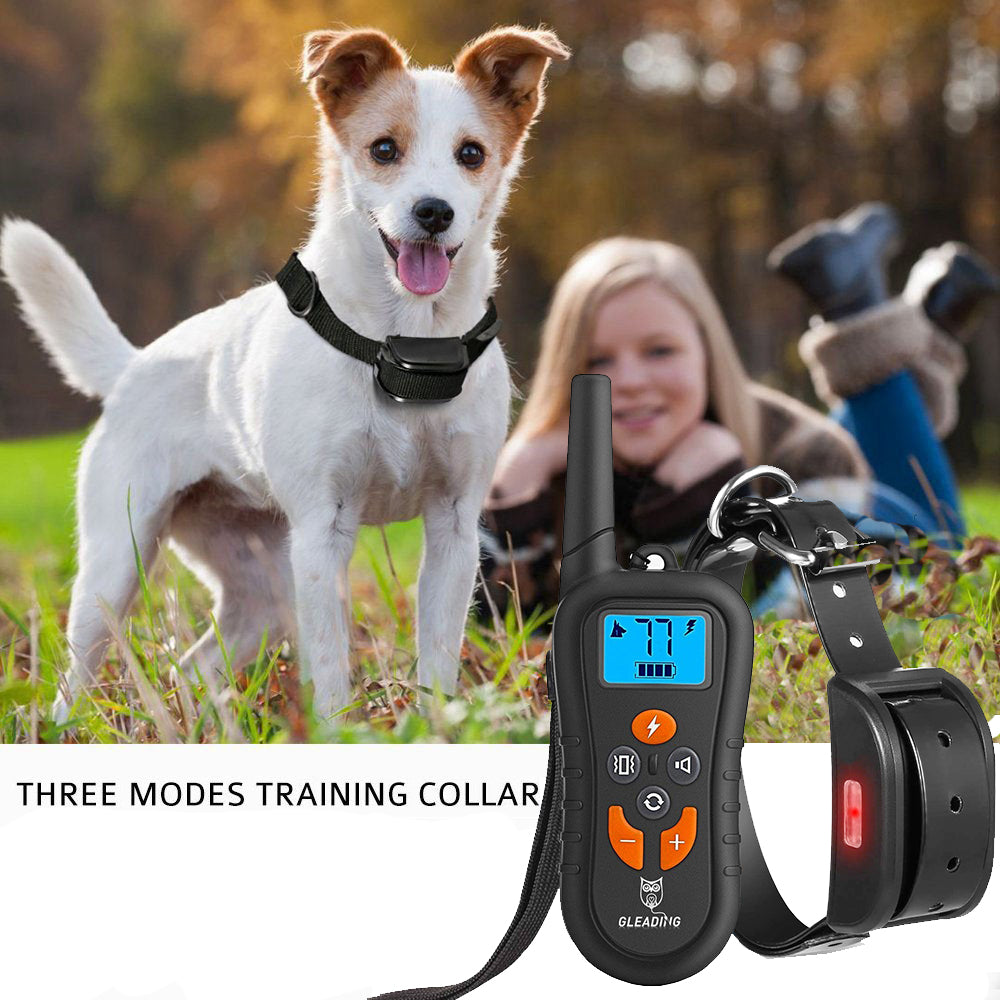
A dog training zapper collar functions by delivering an electrical stimulus to the neck area of the animal when triggered by a handheld remote operated by the handler. These devices are designed to provide a range of intensity levels, from a mild vibration or auditory warning to a more intense static pulse. The intent behind the use of such equipment is typically to discourage unwanted behaviors—such as excessive barking, jumping, or failure to obey a recall command—by associating the action with an unpleasant sensation. However, the efficacy of this approach is heavily debated, as the timing of the stimulus is critical; if the sensation is not delivered at the exact moment the behavior occurs, the dog may struggle to associate the correction with the specific action, leading to confusion or heightened anxiety.
Behavioral and Physiological Considerations
The use of aversive stimuli in training can influence a dog’s physiological state and long-term behavioral health. When a dog experiences an unexpected or painful sensation, the autonomic nervous system triggers a stress response, characterized by elevated cortisol levels and potential changes in heart rate. For some individuals, this stress can manifest as inhibited behavior, where the animal becomes fearful of performing any action for concern of receiving a correction. This state of learned helplessness is a significant concern for behaviorists, as it does not teach the animal what is desired, but rather suppresses outward expression. Furthermore, if a dog is already experiencing fear or reactivity, the application of an aversive stimulus may be incorrectly associated with the environment, other animals, or people present at that moment, potentially exacerbating the underlying Dog Behavior issues.
The use of aversive training methods, such as those involving shock, can increase the risk of injury and have a negative impact on the animal’s welfare. — American Veterinary Medical Association (AVMA)
Evaluating Alternatives and Best Practices
Effective Dog Training generally prioritizes methods that incentivize desired actions rather than punishing undesirable ones. Positive reinforcement—rewarding a dog with high-value treats, praise, or play when they exhibit correct behavior—is widely supported for its ability to build confidence and strengthen the bond between human and animal. When addressing persistent behavioral challenges, it is often more productive to identify the root cause, such as lack of exercise, insufficient mental stimulation, or environmental triggers, rather than focusing solely on symptom suppression. Management strategies, such as using secure long-line leashes for recall practice or environmental modifications to prevent unwanted behaviors, provide safer alternatives that do not rely on physical correction.
Consistency and clarity are the cornerstones of any successful training program. One common mistake owners make is attempting to correct a behavior after the fact, which fails to provide the necessary feedback loop required for learning. Additionally, relying on any single tool as a “quick fix” often ignores the complexity of canine communication. Successful training requires patience, clear communication, and the understanding that every dog learns at a different pace. It is vital to ensure that the training environment is conducive to learning, minimizing distractions while the dog is acquiring new skills, and gradually increasing the difficulty of tasks as the dog demonstrates mastery.
Positive reinforcement training focuses on rewarding desired behaviors rather than punishing unwanted ones, which promotes a more stable and trusting relationship. — Association of Professional Dog Trainers (APDT)
Pet Care & Wellness Overview Table
| Life Stage | Daily Activity Level | Key Nutrition / Care Focus |
|---|---|---|
| Puppy / Kitten | High (frequent short bursts) | High-protein growth diet & early socialization |
| Adult Companion | Moderate (30–60 mins daily) | Balanced maintenance nutrition & dental hygiene |
| Senior Pets | Low to Gentle (mindful walks) | Joint support (Glucosamine) & routine vet checks |
Images References


Considerations for Breed, Age, and Temperament
Individual differences play a massive role in how a dog responds to training techniques. Younger dogs, for instance, are in a critical developmental window where positive experiences are vital for shaping their personality and social skills. For sensitive breeds or those prone to anxiety, high-pressure training methods can be particularly detrimental, leading to long-term behavioral regression. It is essential to research the specific needs of various Dog Breeds, as their historical purpose and temperament significantly influence their learning style. What might be considered a minor correction for a robust, high-drive working dog could be perceived as a significant threat by a more sensitive companion animal.
When to Consult a Professional
Persistent behavioral concerns, such as aggression, severe anxiety, or phobias, require the expertise of a qualified professional, such as a certified veterinary behaviorist or a force-free, certified professional dog trainer. These professionals are equipped to conduct a comprehensive assessment of the animal’s health and environment, ensuring that any training plan is grounded in current scientific understanding and prioritizes the animal’s welfare. If a dog shows sudden changes in behavior, such as increased irritability or lethargy, a visit to a veterinarian is necessary to rule out underlying Dog Health issues that may be contributing to the problem. Professional guidance ensures that training remains safe and effective, preventing the escalation of issues through improper handling.
Closing Thoughts on Responsible Care
Providing a high standard of Dog Care involves more than just physical maintenance; it requires a commitment to the mental and emotional well-being of the animal. By choosing training methods that emphasize cooperation and clear communication, owners can foster a supportive environment where their dogs can thrive. For further resources on maintaining a happy and healthy life for a canine companion, explore the expert guidance available at PetsAnimalsWorld.com.


