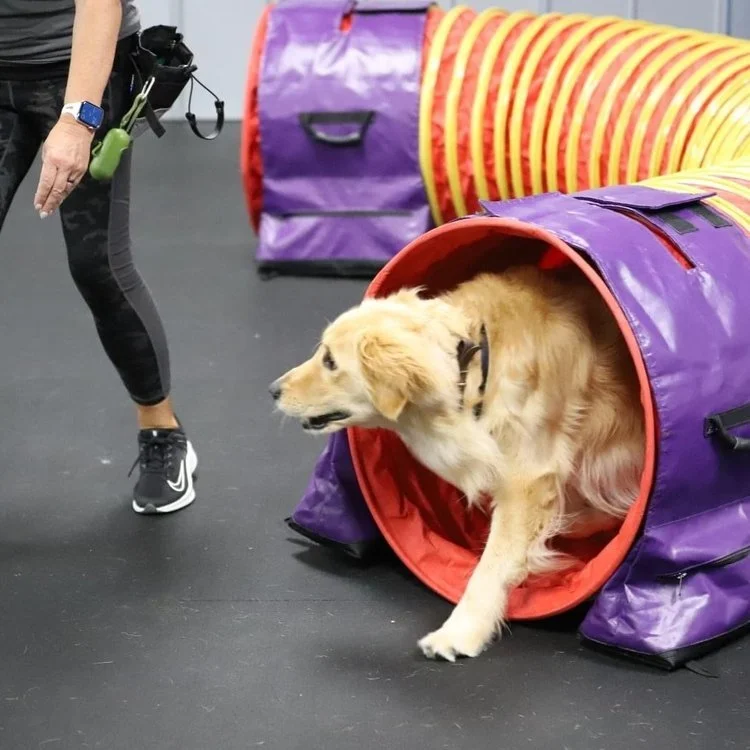
According to the American Veterinary Medical Association, proactive behavioral education and early socialization are vital components of responsible canine stewardship that significantly enhance the bond between animals and human families. When seeking reliable methods to guide canine behavior in local communities, understanding the principles of learning theory transforms everyday routines into valuable educational moments. Dogs thrive in environments where expectations are clear, communication is consistent, and rules are reinforced through positive experiences. Implementing thoughtful instruction within familiar surroundings helps prevent common behavioral misunderstandings before they develop into entrenched habits. Establishing this baseline of mutual trust forms the bedrock of a safe, harmonious household.
💡 Pet Care Key Takeaways:
- Core Focus: Practical health, nutrition, and wellness guidelines for Dog Training Zimmerman Mn.
- Target Scope: Pet owners, animal caregivers, and veterinary support staff.
- Best Recommendation: Maintain consistent daily routines and consult an accredited veterinarian before introducing major diet or medical changes.
Defining Evidence-Informed Canine Education in Local Settings
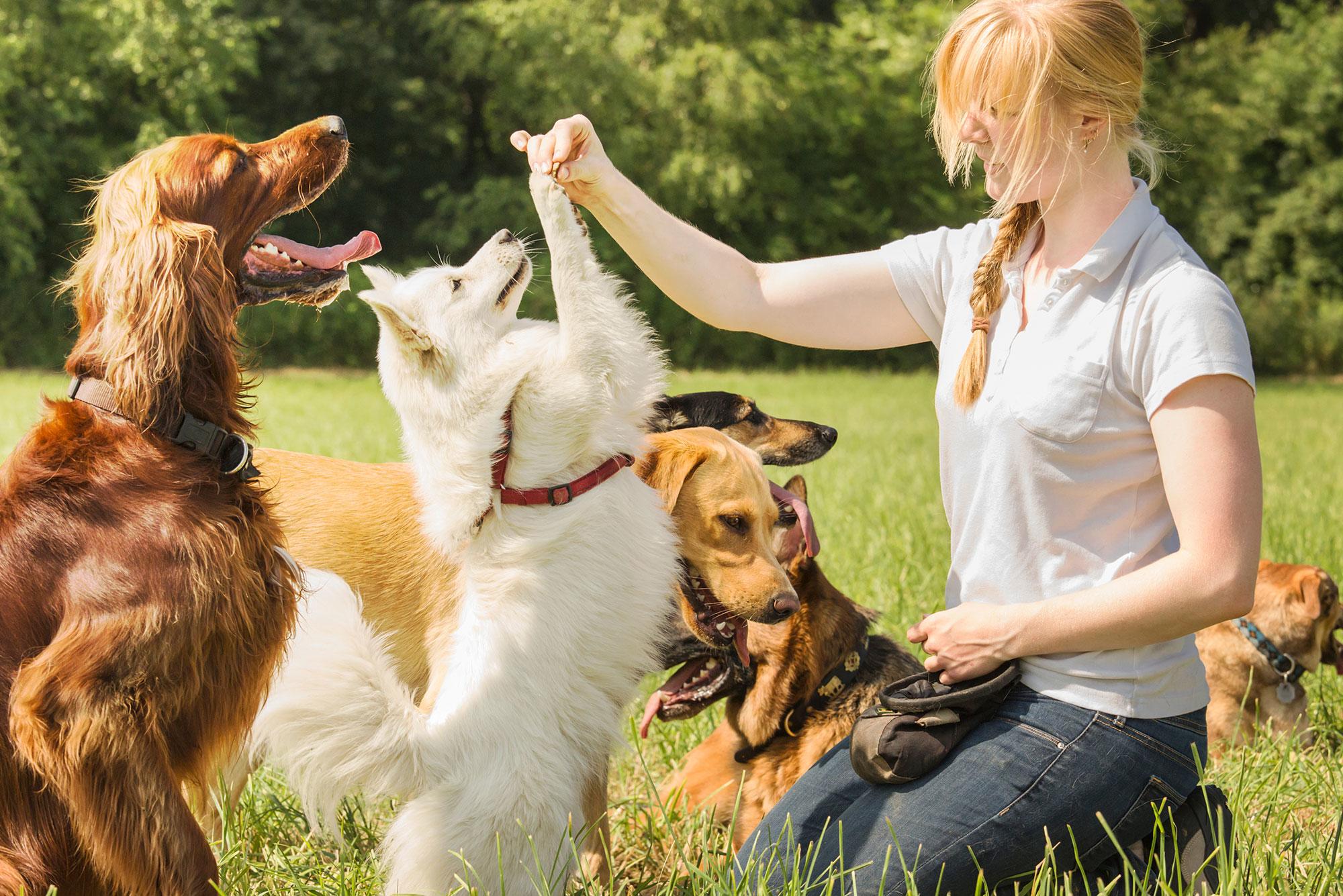
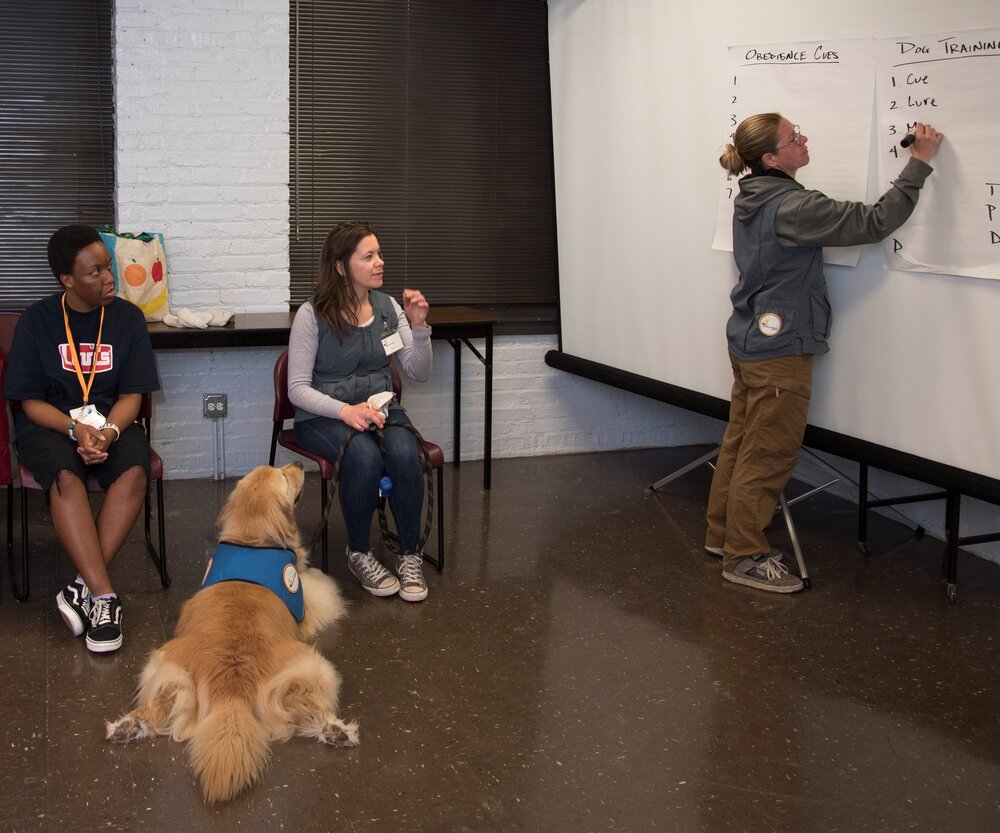
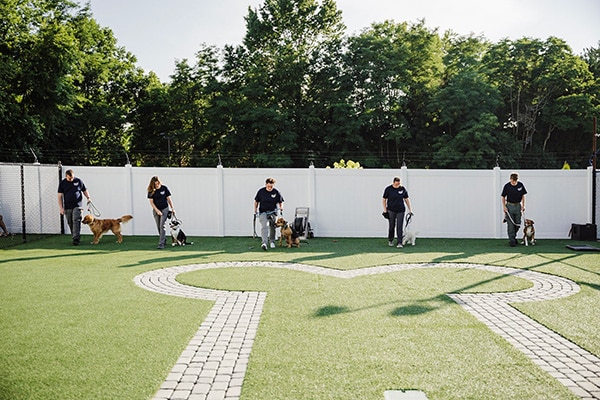
Dog training zimmerman mn encompasses professional guidance methods focused on humane, science-based techniques designed to cultivate good manners and reliable responses. Modern educational frameworks rely on operant conditioning and classical conditioning principles, utilizing positive reinforcement—such as food rewards, toys, or praise—to encourage desirable choices while withholding rewards for unwanted behaviors. This approach avoids physical punishment or intimidation, which veterinary behaviorists associate with increased fear, anxiety, and defensive aggression. Professional instructors operating in regional settings prioritize teaching handlers how to read canine body language accurately, ensuring lessons remain engaging and stress-free for the animal. Through structured practice, dogs learn to navigate everyday distractions with confidence and composure. For more related activities, check out our Dog Training Zephyrhills.
Behavioral Health and Societal Benefits of Structured Education
Comprehensive behavioral development directly influences an animal’s overall welfare, reducing chronic stress and lowering the incidence of relinquishment due to unmanaged conduct issues. Dogs equipped with solid foundational skills navigate veterinary examinations, grooming sessions, and encounters with unfamiliar people or animals much more calmly. Mental enrichment derived from problem-solving exercises tires a busy canine just as effectively as physical exercise, leading to quieter resting periods indoors. Furthermore, well-mannered pets participate more fully in family outings and community life safely. Navigating these educational milestones requires patience, as learning rates vary significantly depending on individual temperament and genetic background.
Behavioral counseling and positive reinforcement strategies effectively address underlying anxiety and fear-based responses by changing emotional states rather than merely suppressing symptoms. — American Veterinary Medical Association
Implementing Effective Learning Strategies in Daily Routines
Successful progression relies on short, frequent practice sessions integrated seamlessly into ordinary household activities rather than isolated marathon drills. Handlers should introduce novel concepts in quiet, low-distraction environments before gradually increasing difficulty levels outdoors or around other animals. Clear timing is critical; markers such as a clicker or a specific verbal word must pinpoint the exact millisecond the dog performs the correct behavior, followed immediately by a reward. Consistency among all household members prevents confusion and ensures the animal understands that rules apply universally. Documenting progress can also highlight which specific triggers require additional patience and deliberate desensitization.
Best Practices and Common Pitfalls to Avoid During Instruction
Maximizing success involves maintaining emotional neutrality, avoiding frustration, and recognizing subtle signs of cognitive fatigue such as sniffing the ground or turning away. A frequent mistake involves repeating cue words multiple times, which inadvertently teaches the animal to ignore the command until the sound is repeated several times. Instead, handlers should say the cue once, wait patiently, and gently guide the dog toward success if necessary. Transitioning from continuous reinforcement to intermittent rewards helps solidify behaviors so the animal responds reliably even when treats are not immediately visible. Keeping sessions upbeat ensures the dog remains an enthusiastic participant in the learning process.
Early socialization during the sensitive developmental period up to approximately 16 weeks of age is critical for preventing fear, avoidance, and defensive behaviors in adult dogs. — American Veterinary Society of Animal Behavior
Pet Care & Wellness Overview Table
| Life Stage | Daily Activity Level | Key Nutrition / Care Focus |
|---|---|---|
| Puppy / Kitten | High (frequent short bursts) | High-protein growth diet & early socialization |
| Adult Companion | Moderate (30–60 mins daily) | Balanced maintenance nutrition & dental hygiene |
| Senior Pets | Low to Gentle (mindful walks) | Joint support (Glucosamine) & routine vet checks |
Images References




Breed, Age, and Temperament Factors in Canine Learning
Individual characteristics heavily influence how a dog processes information, reacts to stimuli, and acquires new skills during instructional programs. Working and herding breeds often possess high drive and mental stamina, requiring substantial occupational tasks to remain balanced, whereas companion breeds may respond exceptionally well to shorter, affection-motivated sessions. Age also dictates expectations; puppies experience rapid cognitive development but possess limited impulse control, while senior dogs may require adjusted pacing to accommodate physical stiffness or sensory declines. Understanding these intrinsic traits allows handlers to tailor expectations realistically. No single method suits every animal, necessitating adaptability and empathy from the human partner.
When to Consult a Veterinarian or Certified Behavior Professional
Persistent behavioral challenges, sudden personality shifts, or signs of intense fear and aggression require immediate evaluation by a qualified professional rather than standard obedience instruction. Medical conditions, chronic pain, and neurological disorders frequently manifest as behavioral changes, making a thorough veterinary examination essential before beginning intensive behavior modification. For severe reactivity, separation anxiety, or compulsive habits, partnering with a board-certified veterinary behaviorist or a professional certified through nationally recognized humane organizations ensures safe, specialized intervention. Early expert support prevents dangerous escalations and safeguards the well-being of both the animal and the community.
Connecting with Comprehensive Animal Resources and Education
Fostering a lifelong partnership built on clear communication and mutual respect enriches the daily experiences shared between humans and their canine companions. Exploring specialized educational materials expands understanding of Dog Training fundamentals and modern behavioral science. For broader insights into canine wellness, readers can explore resources covering Dog Behavior and essential Dog Care strategies. Visit PetsAnimalsWorld.com to discover more guides dedicated to supporting happy, healthy pets throughout every stage of development.