Choosing proper supervision and social outlets for canine companions has become an essential consideration for modern pet guardians balancing busy schedules. According to the American Kennel Club, regular social interaction and appropriate mental stimulation significantly contribute to a dog’s overall behavioral stability and emotional well-being. Modern households often require reliable solutions to prevent isolation during long work hours, making supervised group environments increasingly popular among local pet owners. Professional facilities offer structured oversight, keeping animals engaged while their guardians attend to daily responsibilities outside the home. Explore more in our Pets collection.
💡 Pet Care Key Takeaways:
- Core Focus: Practical health, nutrition, and wellness guidelines for Doggy Daycare Kidderminster.
- Target Scope: Pet owners, animal caregivers, and veterinary support staff.
- Best Recommendation: Maintain consistent daily routines and consult an accredited veterinarian before introducing major diet or medical changes.
Understanding Group Supervision and Structured Canine Environments
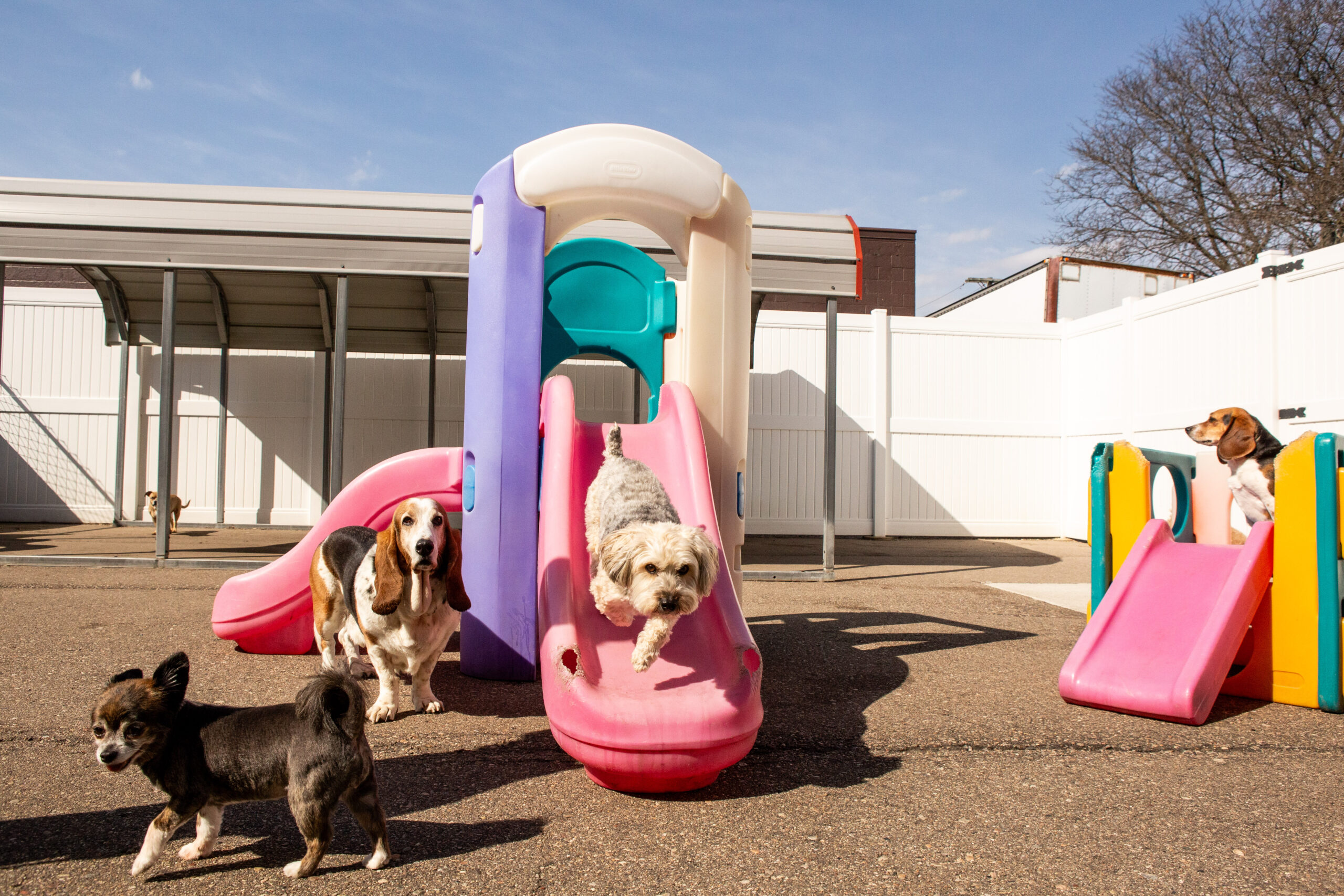
Doggy daycare kidderminster services refer to professionally managed facilities where domestic dogs spend daytime hours engaged in supervised play, rest, and socialization. Unlike unstructured dog parks, reputable establishments maintain strict admission criteria, including vaccination verifications, temperament assessments, and parasite control protocols. Animals are typically grouped by size, energy level, and play style to minimize stress and prevent accidental injuries. Staff members trained in canine body language monitor interactions closely, intervening at the earliest signs of over-arousal or discomfort to maintain a calm, secure atmosphere. For more related activities, check out our Puppy Scratching Floor Of Crate When Settling For Bed.
The Behavioral and Physical Impact of Supervised Socialization
Structured daytime group settings profoundly influence a dog’s physical stamina and social adaptability when managed with professional oversight. Regular participation helps burn off excess energy, reducing destructive behaviors such as excessive chewing or indoor elimination that often stem from boredom. Furthermore, exposure to novel sights, sounds, and well-behaved conspecifics—meaning other dogs—enhances confidence and resilience. However, highly reactive or fearful animals may find busy group environments overwhelming, highlighting the importance of individual temperament evaluations before enrollment.
Proper behavioral screening and structured group sizing reduce stress hormones in participating dogs — American Kennel Club
Evaluating Facilities and Managing the Transition Process
Selecting an appropriate facility requires careful observation of staff-to-dog ratios, cleanliness standards, and indoor-outdoor climate control. Responsible guardians should tour prospective centers during operational hours to evaluate noise levels, flooring materials, and resting areas. Introducing a canine companion to a new facility should always be approached gradually, often starting with a half-day session to assess how the animal responds to the environment. Monitoring physical recovery and emotional state after returning home helps determine whether the specific routine suits the individual animal.
Best Practices and Common Pitfalls in Group Care Settings
Maintaining open communication with facility staff ensures that any subtle shifts in health or mood receive prompt attention. A frequent mistake involves enrolling senior dogs or medically fragile pets into high-energy play groups without considering age-related joint stiffness or chronic conditions. Rest periods are just as critical as active play; continuous stimulation without adequate downtime can lead to exhaustion and behavioral irritability. Guardians must also ensure that core immunizations and kennel cough prevention protocols remain completely up-to-date according to veterinary guidelines.
Routine vaccination verification before group mixing helps prevent the spread of infectious respiratory illnesses — American Veterinary Medical Association
Pet Care & Wellness Overview Table
| Life Stage | Daily Activity Level | Key Nutrition / Care Focus |
|---|---|---|
| Puppy / Kitten | High (frequent short bursts) | High-protein growth diet & early socialization |
| Adult Companion | Moderate (30–60 mins daily) | Balanced maintenance nutrition & dental hygiene |
| Senior Pets | Low to Gentle (mindful walks) | Joint support (Glucosamine) & routine vet checks |
Images References






Tailoring Daycare Selection to Breed, Age, and Temperament
Individual characteristics heavily dictate how successfully a dog integrates into a communal daycare environment. High-drive working breeds and athletic sporting dogs often thrive on the sustained physical activity provided by group play, whereas brachycephalic breeds—such as Pugs or English Bulldogs—require careful monitoring to prevent overheating during warmer months. Puppies benefit immensely from early socialization, but immature joints need protection from high-impact jumping. Conversely, older dogs or those with noise sensitivities may prefer quieter, low-density settings that prioritize gentle companionship over vigorous group romps.
When to Seek Professional Guidance for Behavioral Concerns
Persistent fear, resource guarding, or sudden reluctance to enter a facility signal the need for professional behavioral evaluation. Guardians observing persistent reactivity or escalating stress should consult a qualified veterinary behaviorist or a certified dog trainer utilizing humane, reward-based methods. For any sudden changes in mobility, appetite, or stamina following daycare attendance, scheduling an individual veterinary examination is essential to rule out underlying injury or illness. Professional oversight ensures that decisions regarding social care always align with the physical and psychological needs of the animal.
Supporting Lifelong Canine Health and Wellness
Balancing social enrichment with proper rest and individualized care remains the cornerstone of responsible pet guardianship. Exploring reliable resources on Dog Behavior, understanding foundational Dog Care principles, and consulting expert insights on Dog Training can empower owners to make informed choices. Visit PetsAnimalsWorld.com for additional guidance on nurturing a healthy, balanced companion throughout every stage of life.