Understanding the Role of Doggy Daycare in Yakima
Finding reliable care for a canine companion is a significant priority for many busy pet owners. According to the American Veterinary Medical Association (AVMA), providing appropriate enrichment and exercise is essential for maintaining a dog’s physical and mental health. In regions like Yakima, Washington, where the climate and seasonal changes can influence daily activity levels, doggy daycare has emerged as a popular resource. These facilities provide structured environments for socialization and activity, serving as a supplement to the care provided within the home. Understanding the nuances of these services is the first step in ensuring that a pet remains safe, stimulated, and well-adjusted while away from family members.
💡 Pet Care Key Takeaways:
- Core Focus: Practical health, nutrition, and wellness guidelines for Doggy Daycare Yakima.
- Target Scope: Pet owners, animal caregivers, and veterinary support staff.
- Best Recommendation: Maintain consistent daily routines and consult an accredited veterinarian before introducing major diet or medical changes.
Defining Doggy Daycare Services in the Yakima Area
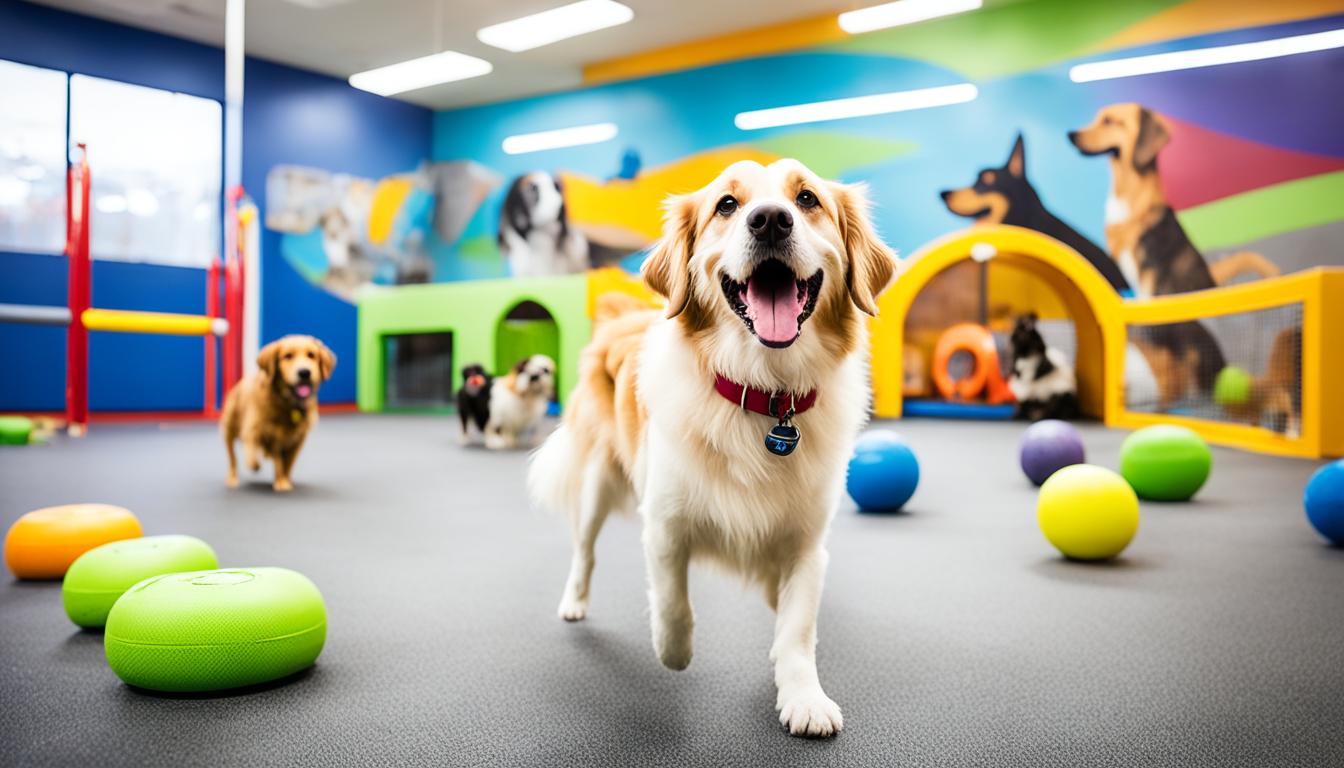
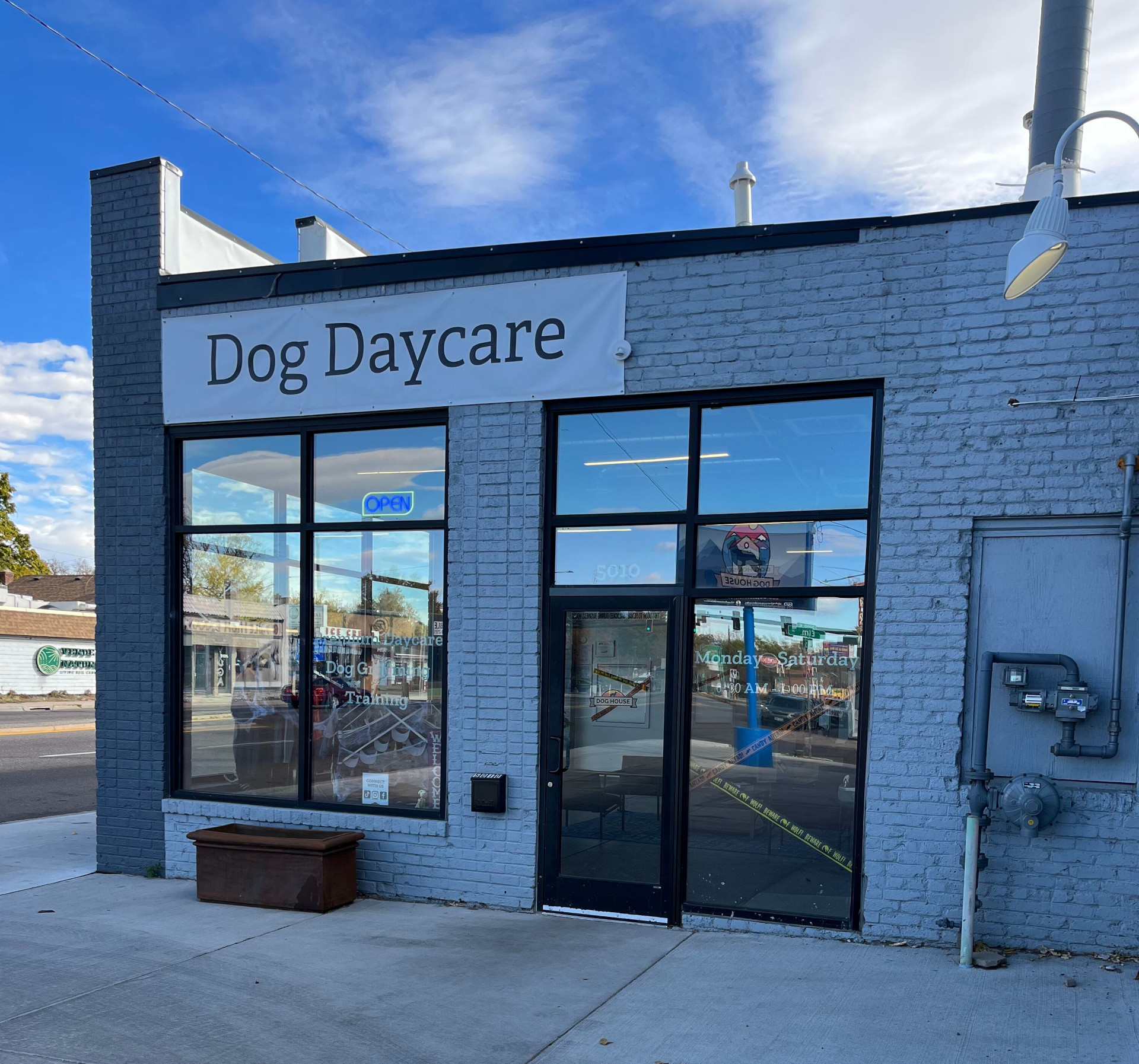
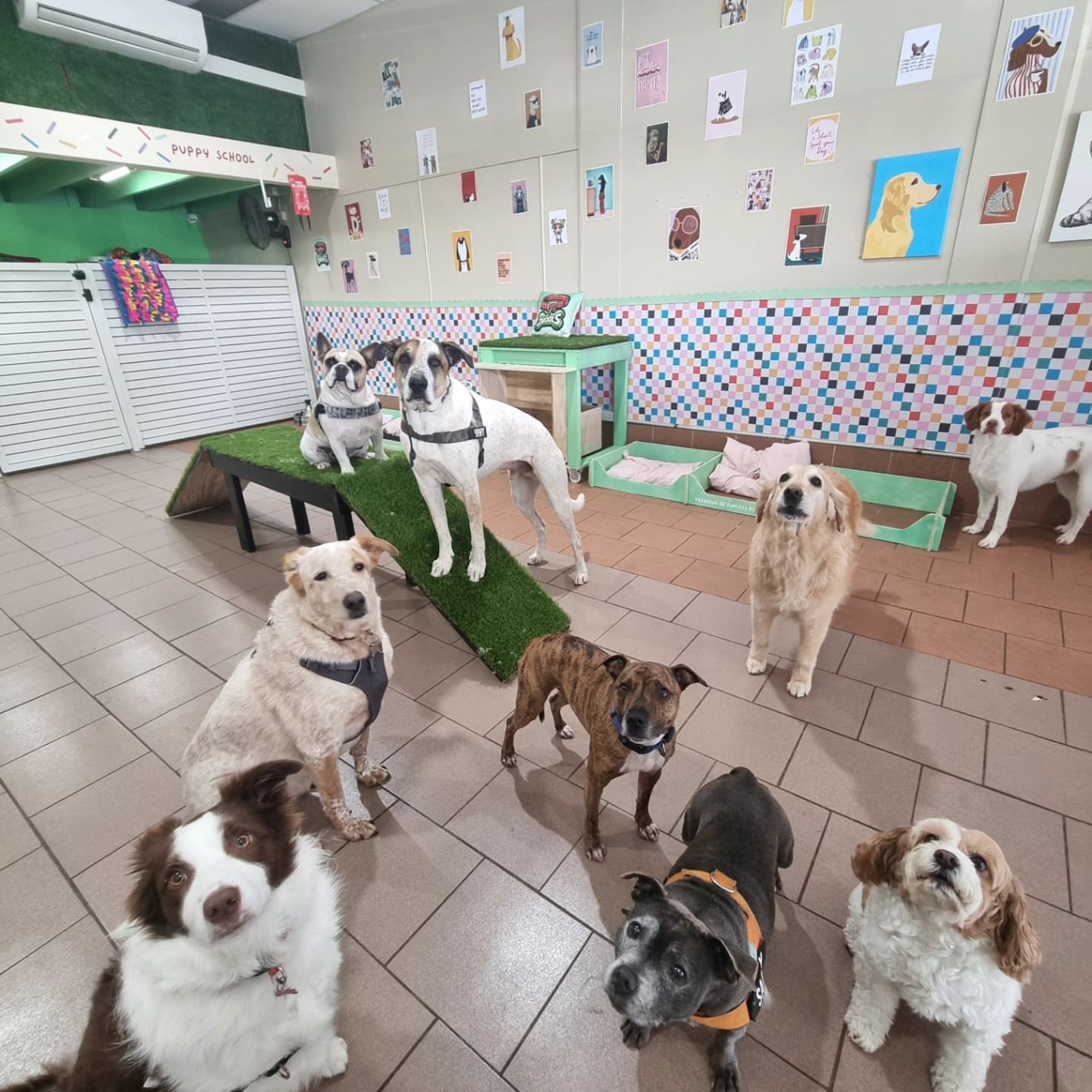
Doggy daycare in Yakima refers to professional facilities that offer supervised group play, rest periods, and enrichment activities for dogs during business hours. Unlike boarding, which is intended for overnight stays, daycare is specifically designed to provide a daytime outlet for energy and social interaction. These centers typically operate by grouping dogs based on size, temperament, and play style to minimize stress and prevent potential conflicts. A high-quality facility prioritizes a low staff-to-dog ratio, ensuring that every animal receives adequate supervision and that any signs of discomfort or fatigue are promptly addressed by trained personnel.
Evaluating the Impact on Health and Behavior
The impact of daycare on a dog’s well-being depends heavily on the individual dog’s personality and the quality of the environment. While many dogs thrive in social settings, others may find the constant stimulation overwhelming or anxiety-inducing. Regular interaction with other dogs can assist in maintaining healthy Dog Behavior, provided the environment is managed correctly to avoid over-arousal. Conversely, improper management in a daycare setting can lead to the reinforcement of undesirable habits or increased stress levels. Owners must observe their pets closely for changes in demeanor, such as increased lethargy, irritability, or social withdrawal, which may indicate that the current daycare arrangement is not a suitable fit for the individual animal.
Socialization involves exposing a dog to new people, environments, and other animals in a positive, controlled manner to help them become well-adjusted members of the household. — American Kennel Club (AKC)
Selecting and Managing a Daycare Experience
Selecting a facility in Yakima requires a thorough vetting process to ensure the safety and comfort of the dog. Prospective clients should schedule a visit to observe the play areas, cleanliness, and the demeanor of the staff. It is important to ask about the specific protocols for introducing new dogs to the pack, as a gradual, controlled introduction is vital for success. Furthermore, inquire about the facility’s policy regarding rest periods; dogs should not be kept in a constant state of high activity, as this can lead to physical exhaustion and behavioral breakdown. Consistent communication with the daycare staff regarding a dog’s daily progress allows for a collaborative approach to Dog Care that prioritizes the animal’s needs.
Best Practices for a Positive Daycare Experience
To ensure the best outcomes, owners should focus on preparation and consistent evaluation. Before enrolling a dog, ensure that all vaccinations are current, as group settings can increase the risk of communicable illnesses. It is also beneficial to start with shorter, half-day sessions to gauge how the dog adapts to the routine before committing to full-day care. Avoid the mistake of assuming that every dog enjoys group play; some animals prefer human interaction or solitary enrichment, and a reputable facility will respect these preferences by offering alternatives to group play. Always monitor the dog’s physical condition, checking for any unexpected scratches or signs of fatigue upon returning home, as these can serve as indicators of the quality of supervision provided during the day.
Vaccinations are a fundamental component of preventative health, helping to protect dogs from serious, contagious diseases that can spread rapidly in communal settings. — American Veterinary Medical Association (AVMA)
Pet Care & Wellness Overview Table
| Life Stage | Daily Activity Level | Key Nutrition / Care Focus |
|---|---|---|
| Puppy / Kitten | High (frequent short bursts) | High-protein growth diet & early socialization |
| Adult Companion | Moderate (30–60 mins daily) | Balanced maintenance nutrition & dental hygiene |
| Senior Pets | Low to Gentle (mindful walks) | Joint support (Glucosamine) & routine vet checks |
Images References






Breed, Age, and Temperament Considerations
Every dog brings a unique set of needs to the daycare environment based on their breed history, age, and individual personality. High-energy working breeds may require more vigorous activity, while senior dogs or those with specific health conditions may need a quieter, more controlled setting with limited mobility requirements. It is a misconception that all dogs benefit from the same level of social intensity. Younger, energetic puppies might require more frequent breaks to prevent over-stimulation, while older dogs may find the chaos of a large group setting stressful. When choosing a daycare in Yakima, look for providers who demonstrate an understanding of these differences and are willing to accommodate specific needs rather than adhering to a one-size-fits-all model.
When to Consult a Professional
Professional guidance is necessary whenever there is a concern regarding a dog’s behavioral or physical health. If a dog displays persistent signs of anxiety, such as excessive panting, pacing, or hiding, or if there is a sudden change in temperament, consult a veterinarian to rule out underlying medical issues. For behavioral concerns that arise during or after daycare, such as the development of reactivity toward other dogs, seek the assistance of a certified professional dog trainer. These experts can provide evidence-informed guidance on how to manage the situation safely and effectively, ensuring that the dog’s emotional well-being is not compromised by an unsuitable environment.
Conclusion and Further Resources
Finding the right doggy daycare in Yakima is a process that requires diligence, observation, and a deep understanding of an individual pet’s needs. By prioritizing safety, health, and personalized care, owners can find a supportive environment that enhances their dog’s quality of life. For more comprehensive information on maintaining a healthy and happy companion, explore the resources available on PetsAnimalsWorld.com. Further insights into Dog Health and Dog Training can help owners make informed decisions that benefit their pets for years to come.