Introduction
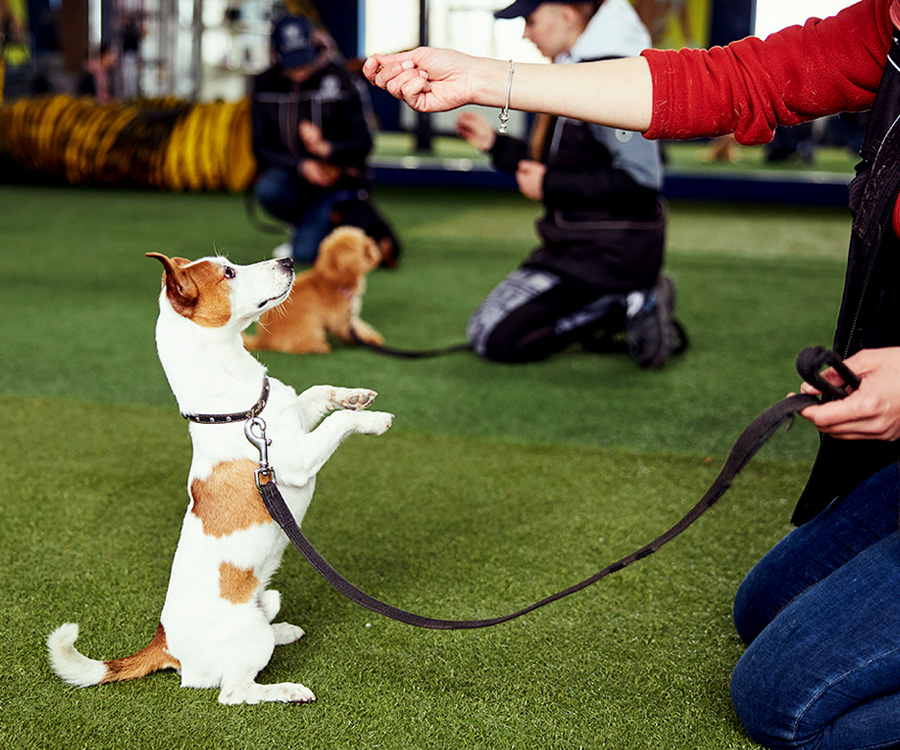
A dog behaviorist or trainer provides targeted intervention for canine behavioral issues through either operant conditioning protocols or advanced clinical behavior modification. According to the American Veterinary Medical Association (AVMA), behavioral problems represent the primary reason companion animals are relinquished to shelters, making professional guidance critical for long-term domestic stability. Selecting the appropriate professional depends entirely on distinguishing between basic obedience deficits and complex psychological disorders rooted in fear, anxiety, or medical pain. Integrating proper Dog Training protocols early in life prevents minor quirks from escalating into severe aggression or destructive phobias.
Pet Wellness & Behavior Snapshot:
- Core Focus: Distinguishing the roles of professional trainers and certified behaviorists for canine rehabilitation.
- Target Scope: Applied behavior analysis, obedience instruction, and medical rule-outs for domestic canines.
- Key Recommendation: Consult a veterinary professional to eliminate underlying medical pain before starting any behavior modification plan.
Core Principles and Detailed Overview
Certified dog trainers specialize in teaching basic obedience, leash manners, and domestic socialization using positive reinforcement methods. Conversely, applied animal behaviorists hold advanced degrees (such as an M.Sc. or Ph.D. in animal behavior) or veterinary credentials (DACVB) to diagnose and treat clinical psychological disorders like separation anxiety and generalized fear. Understanding the distinction between these two disciplines ensures that canines receive appropriate interventions aligned with established principles of Dog Behavior science. Furthermore, nutritional imbalances or chronic discomfort identified during routine Dog Health evaluations frequently manifest as undesirable outward conduct, requiring a holistic strategy that includes assessing Dog Nutrition profiles alongside behavioral therapy.
Key Specifications and Breakdown
| Observed Indicator / Factor | Veterinary & Behavioral Explanation | Actionable Management Protocol |
|---|---|---|
| Sudden onset leash reactivity | Underlying orthopedic pain or sensory decline triggers defensive posturing. | Schedule a comprehensive veterinary exam before engaging a trainer. |
| Destructive chewing when left alone | Mild separation anxiety or exploratory boredom requiring mental stimulation. | Implement puzzle toys and structured Dog Care routines. |
| Resource guarding high-value items | Evolutionary survival instinct exacerbated by unpredictable environmental pressure. | Employ trade-up protocols under the guidance of a certified professional. |
Veterinary behaviorists emphasize that any sudden shift in canine conduct requires a thorough diagnostic physical examination to rule out hidden physiological trauma or endocrine disorders before initiating behavioral modification plans. — American Veterinary Medical Association (AVMA)
Step-by-Step Practical Application and Guidelines
Evaluating a canine professional requires verifying valid certifications, continuing education credentials, and adherence to humane, science-based methodologies. Caregivers must first document specific problematic triggers, environmental contexts, and the exact frequency of occurrences to provide actionable data during the initial consultation. Selecting specialized Dog Breeds with distinct working traits also helps align expectations regarding instinctual drive levels and exercise requirements. Consistent daily execution of prescribed training protocols guarantees sustainable psychological rehabilitation and strengthens the bond between the animal and the household.
Common Challenges and How to Avoid Them
Aversive training techniques utilizing punishment or intimidation frequently exacerbate underlying anxiety and increase the risk of defensive aggression in domestic canines. Caregivers often mistake stubbornness for genuine panic, leading to inappropriate correction methods that worsen the psychological state of the pet. Working closely with qualified specialists prevents reliance on outdated dominance theories and ensures compliance with modern, evidence-based veterinary behavioral science standards.
💬 Frequently Asked Questions
Explore More Pet Care and Animal Health Guides on PetsAnimalsWorld
Access comprehensive resources covering every aspect of animal companionship by exploring the complete library at Pets Animals World. Discover expert-backed articles dedicated to optimizing the daily lives of Pets through evidence-based health management, nutrition science, and behavior modification techniques.
Visual Reference Gallery