Introduction
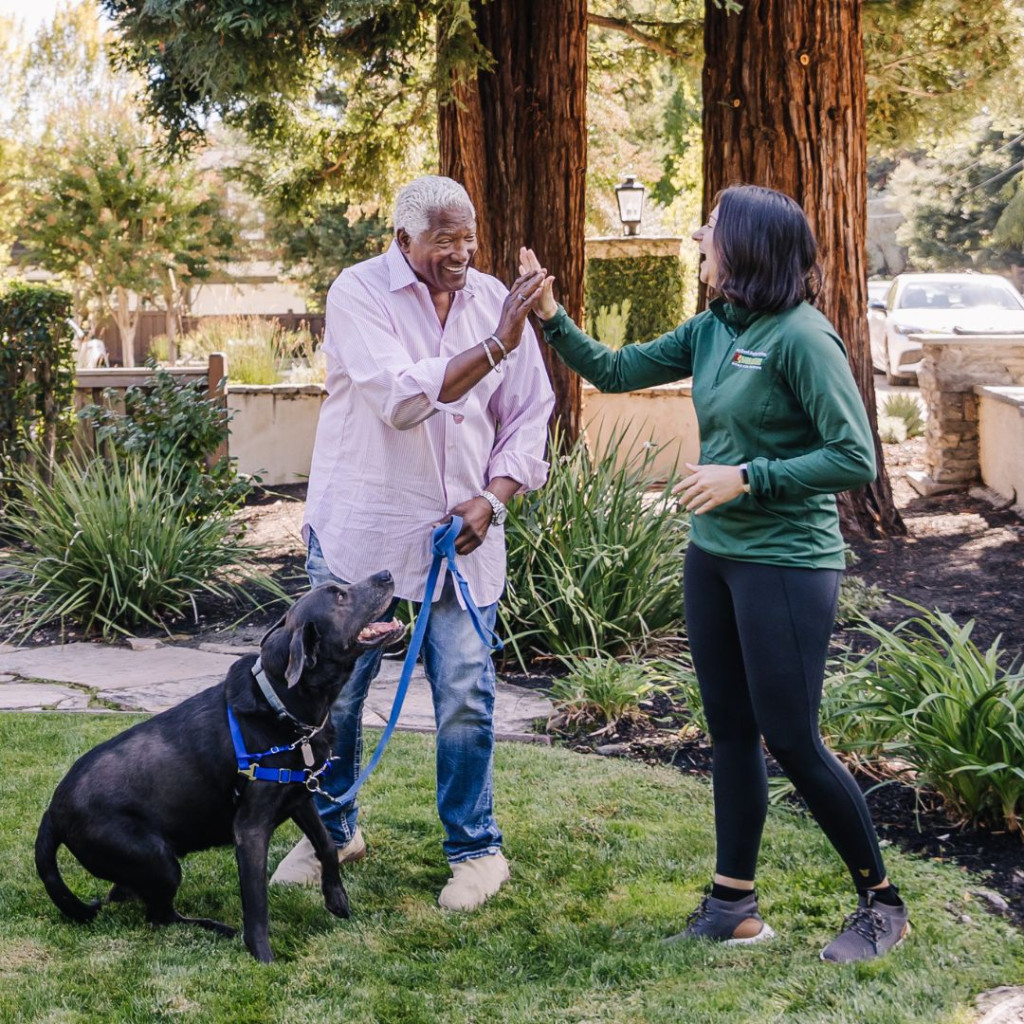
Dog training online refers to structured, digital canine education programs delivered through video modules, live virtual consultations, and remote coaching platforms. According to the International Association of Animal Behavior Consultants (IAABC), remote behavioral interventions provide effective, science-based guidance while minimizing the acute environmental stress that traditional in-person facility visits often induce in sensitive dogs. Utilizing digital instructional mediums allows caregivers to address behavioral challenges directly inside the domestic environment where habits manifest. This methodology promotes consistent learning routines and integrates seamlessly with daily canine husbandry practices, Dog Training fundamentals, and overall veterinary wellness protocols.
Pet Wellness & Behavior Snapshot:
- Core Focus: Remote canine education utilizing digital instructional modules and virtual coaching platforms.
- Target Scope: Domestic pet parents seeking structured behavioral modification without travel-induced stress.
- Key Recommendation: Pair digital training modules with consistent positive reinforcement and targeted Dog Nutrition strategies.
Core Principles and Detailed Overview
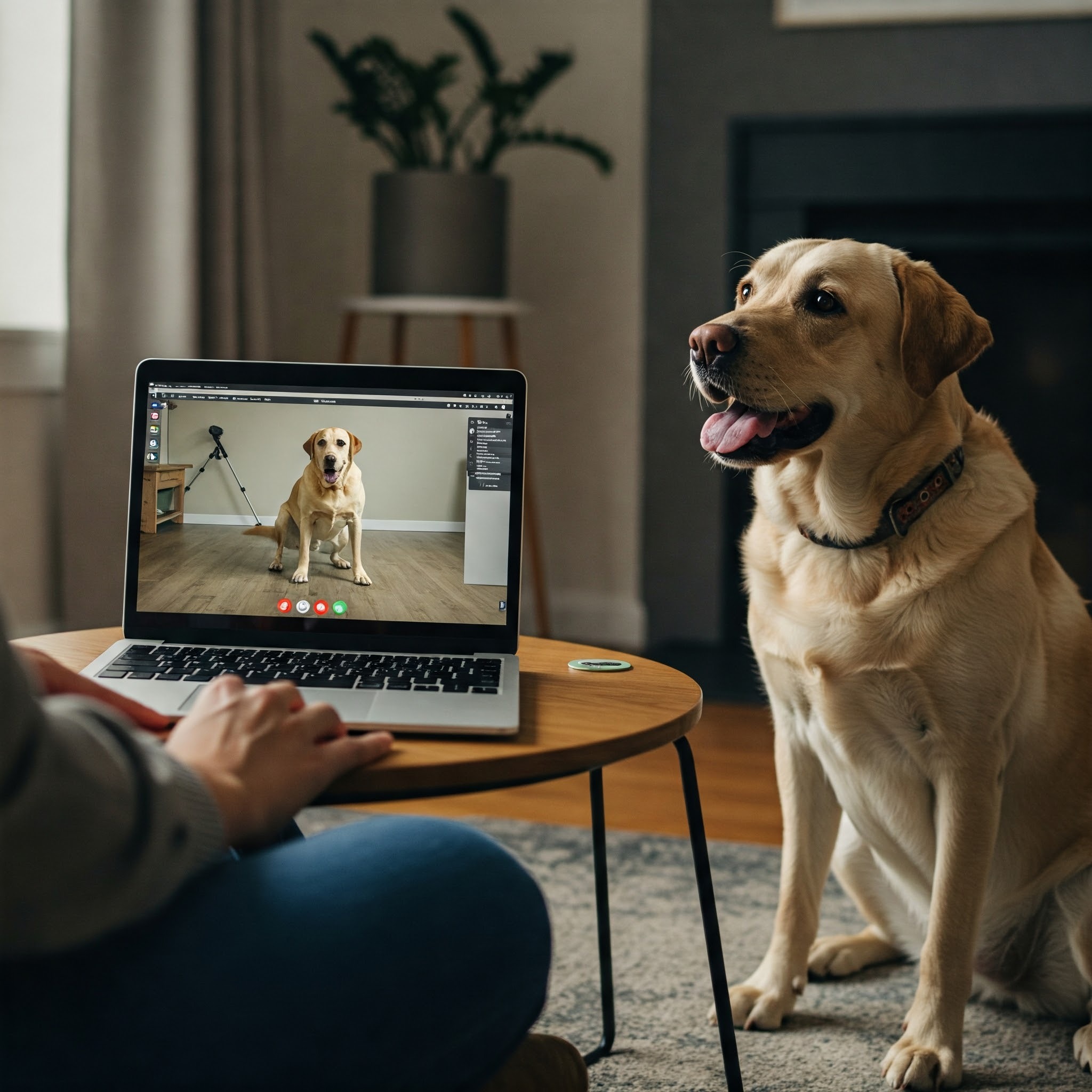
Dog training online relies on operant conditioning and classical learning theories adapted for virtual transmission and remote implementation. Direct observation via webcam allows certified behaviorists to evaluate subtle canine body language, spatial boundaries, and household triggers without altering the natural dynamic of the home. This virtual oversight ensures that foundational obedience, impulse control, and socialization drills are executed accurately in the exact geographic zones where issues occur. Furthermore, integrating structured digital instruction supports long-term neurological health, reduces anxiety-related neurochemistry imbalances, and complements physical wellness checks frequently monitored via Dog Health standards.
Key Specifications and Breakdown
| Observed Indicator / Factor | Veterinary & Behavioral Explanation | Actionable Management Protocol |
|---|---|---|
| Virtual Engagement Disconnect | Canines struggle to generalize commands learned on video without real-world context reinforcement. | Transition successfully mastered digital cues to varying household locations and outdoor environments. |
| Environmental Distraction Levels | High sensory stimuli inside the home compete with remote audio instructions from digital devices. | Establish quiet, low-stimulus zones for initial digital learning phases before advancing difficulty. |
| Nutritional Incentive Timing | Inaccurate reward delivery timing during digital exercises delays cognitive association and learning retention. | Utilize high-value, species-appropriate treats immediately upon correct behavioral execution. |
Behavioral modification plans must prioritize humane, low-stress handling methods that safeguard the emotional and physical wellbeing of the animal at all times. — American Veterinary Medical Association (AVMA)
Step-by-Step Practical Application and Guidelines
Executing dog training online requires establishing a dedicated learning environment equipped with reliable video technology, high-value reinforcers, and zero competing household distractions. Initial steps involve setting up stationary recording equipment that captures clear interactions between the handler and the companion animal for professional review. Caregivers must review assigned digital modules, practice mechanics independently, and record brief demonstration sessions for asynchronous feedback from certified behaviorists. This structured progression ensures proper technique adoption, prevents the reinforcement of undesirable actions, and aligns closely with proper Dog Care routines.
Common Challenges and How to Avoid Them
Inconsistent signal delivery and poor mechanical timing represent the primary obstacles undermining remote canine education success. Caregivers frequently commit errors by misinterpreting early stress signals, such as lip-licking or averted gaze, leading to inadvertent reward pairing with anxious states. Overcoming these pitfalls requires strict adherence to professional pacing guidelines, regular veterinary wellness evaluations to rule out underlying pain, and continuous study of specific Dog Behavior indicators. Maintaining open communication channels with remote instructors ensures rapid course correction and sustainable behavioral progress.
💬 Frequently Asked Questions
Explore More Pet Care and Animal Health Guides on PetsAnimalsWorld
Mastering digital education platforms empowers pet parents to cultivate well-adjusted companions through evidence-based methodologies. Expand your knowledge base further by examining specialized guides covering diverse Dog Breeds, comprehensive wellness protocols, and expert animal husbandry tips available directly across Pets Animals World.
Visual Reference Gallery