Introduction
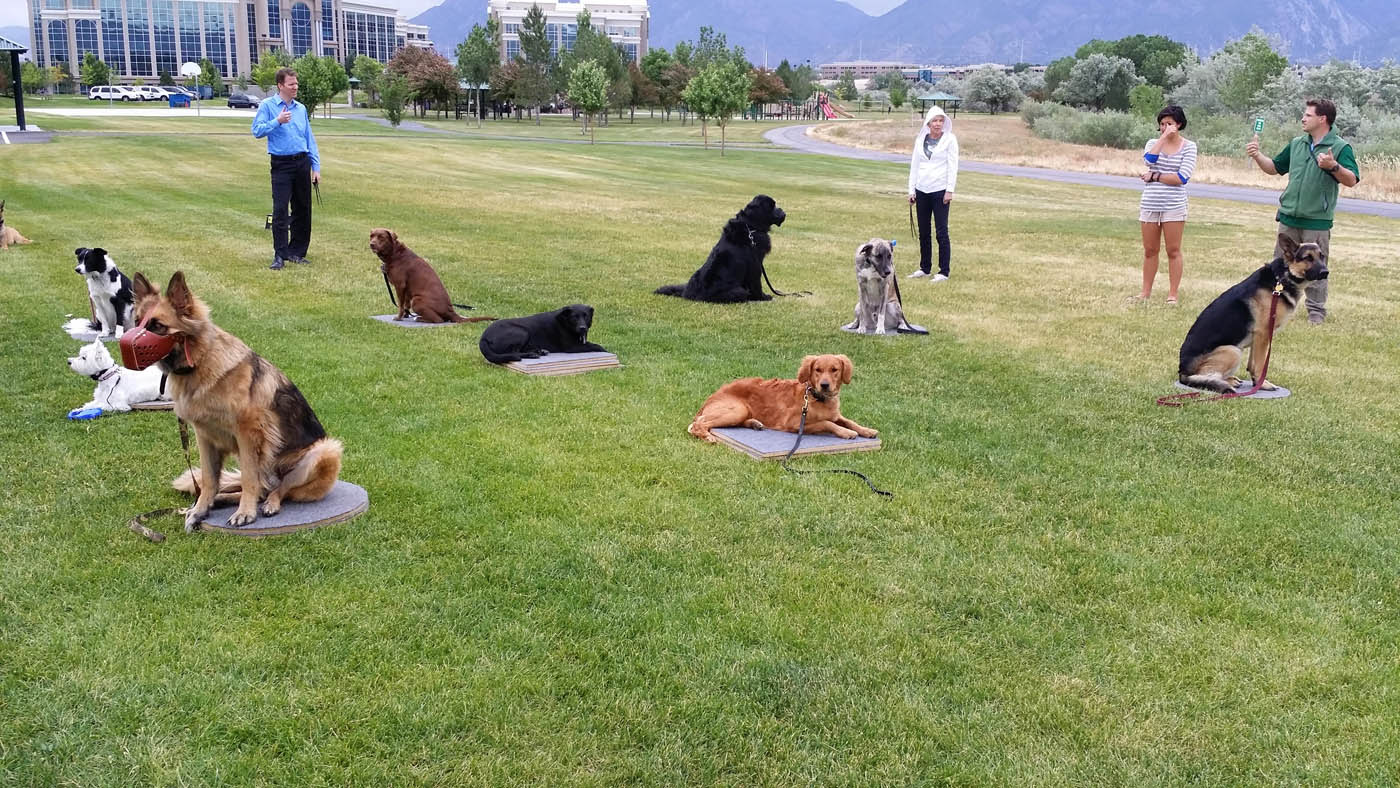
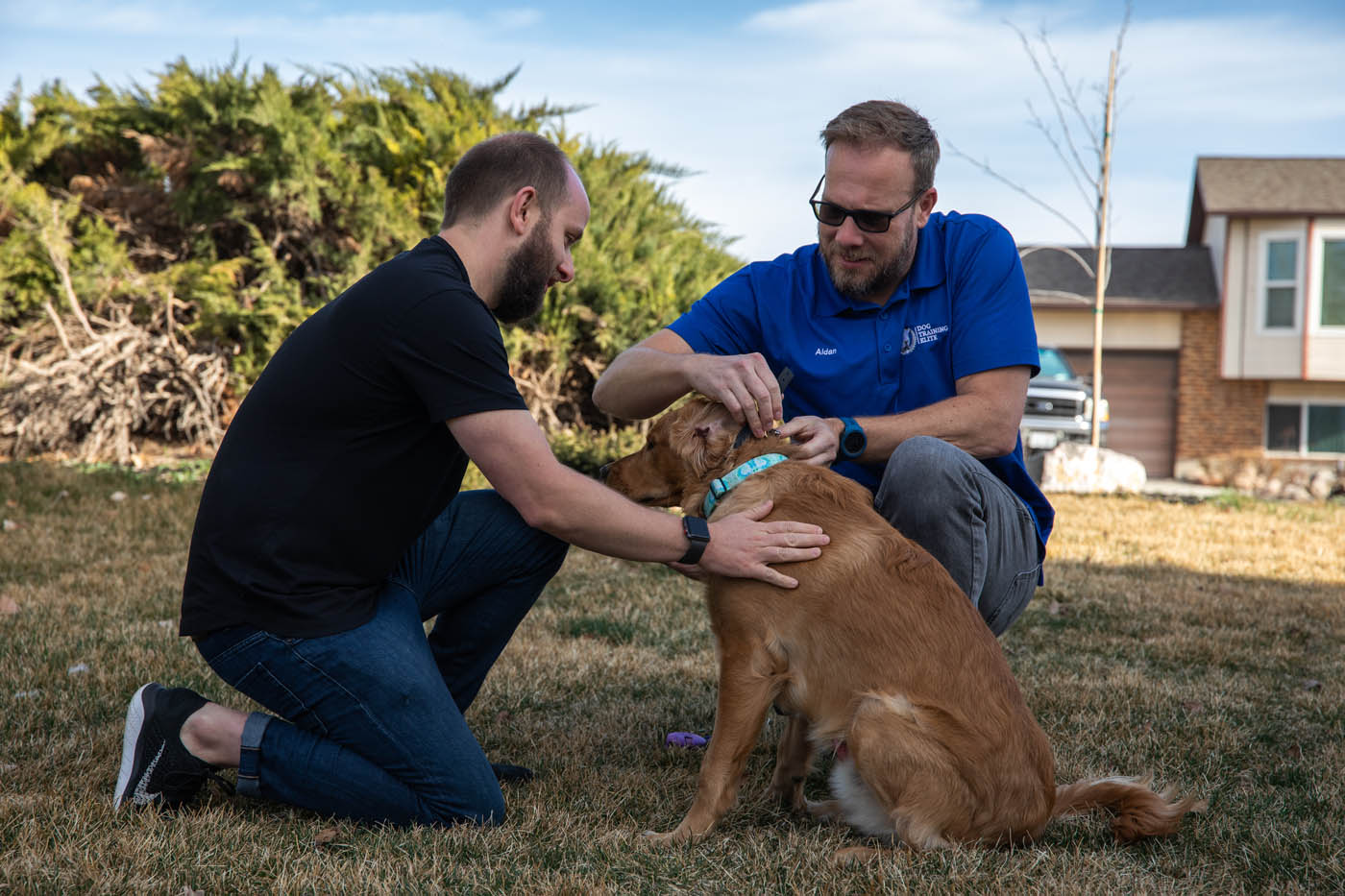
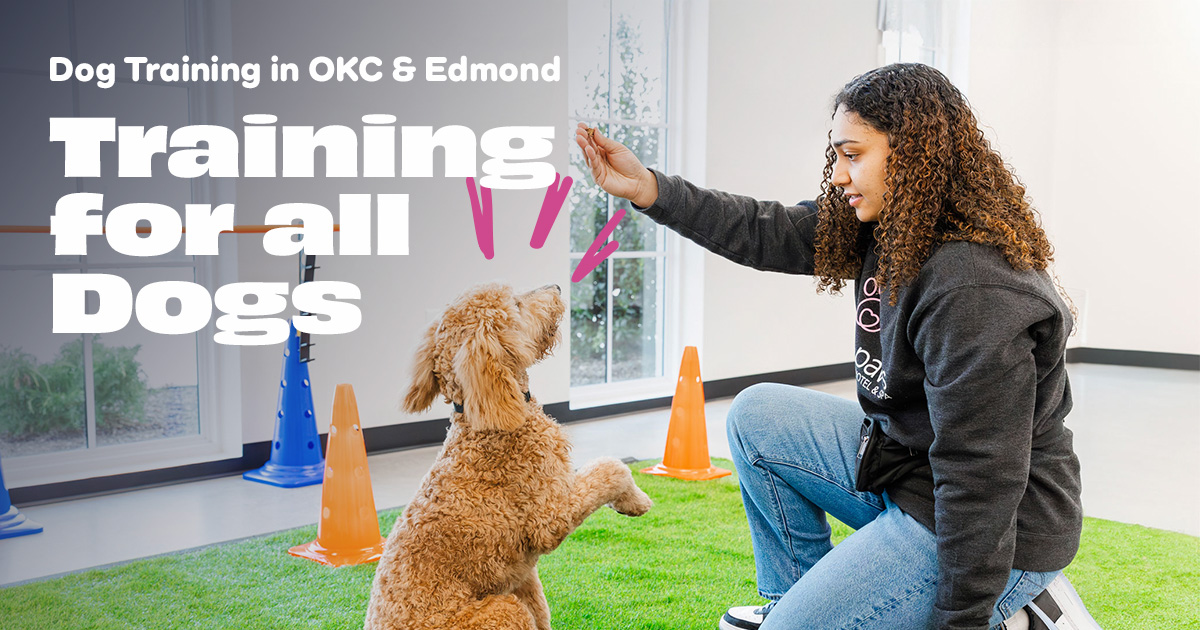
Dog training omaha encompasses professional behavioral modification, obedience structuring, and socialization programs tailored to local urban and suburban environments. According to the International Association of Animal Behavior Consultants (IAABC), evidence-based behavioral intervention relies on positive reinforcement and desensitization protocols to ensure long-term domestic harmony. Integrating structured obedience routines directly impacts overall physical vitality, reduces stress-related cortisol spikes, and supports preventative Dog Health management for domestic canines. Careful attention to regional environmental stimuli—such as seasonal weather variations, local wildlife exposure, and community foot traffic—ensures that pets remain calm, attentive, and responsive during daily excursions. Establishing a consistent pedagogical foundation protects community safety while simultaneously enhancing the emotional bond between animals and their human caregivers.
Pet Wellness & Behavior Snapshot:
- Core Focus: Dog training omaha integrates positive reinforcement with regional environmental socialization.
- Target Scope: Companion animal caregivers seeking reliable, science-backed behavioral modification programs.
- Key Recommendation: Consult certified professionals who align methods with recognized veterinary behavioral standards.
Core Principles and Detailed Overview
Dog training omaha functions most effectively when customized to individual canine temperaments, physiological stages, and nutritional profiles. Behavioral challenges often stem from underlying medical discomfort, sensory processing issues, or nutritional imbalances that require veterinary clearance before formal obedience conditioning begins. Working alongside a dedicated Dog Training specialist ensures that learning frameworks respect canine ethology, utilizing operant and classical conditioning safely. Diet plays a foundational role in cognitive function and focus; optimizing daily rations through balanced Dog Nutrition supports sustained attention spans during intensive learning sessions. Furthermore, structured mental enrichment prevents destructive boredom behaviors, safeguarding both household furniture and the animal’s internal psychological equilibrium.
Key Specifications and Breakdown
| Observed Indicator / Factor | Veterinary & Behavioral Explanation | Actionable Management Protocol |
|---|---|---|
| Leash Reactivity | Heightened sympathetic nervous system arousal triggered by unfamiliar spatial boundaries or passing stimuli. | Maintain a safe threshold distance, redirect attention using high-value rewards, and practice engagement cues. |
| Inattentiveness | Cognitive overload or nutritional deficiencies impairing sustained focus during obedience sessions. | Shorten training intervals, evaluate caloric density, and minimize environmental distractions. |
| Separation Stress | Hyper-attachment or underlying anxiety manifesting in vocalization and destructive chewing when isolated. | Implement systematic desensitization to departures paired with interactive puzzle feeders and calm departures. |
Behavioral and preventive healthcare standards emphasize that animal wellness plans must integrate regular veterinary evaluations alongside structured behavioral modification to ensure optimal domestic safety. — American Veterinary Medical Association (AVMA)
Step-by-Step Practical Application and Guidelines
Dog training omaha protocols succeed through methodical consistency, predictable daily routines, and clear communicative markers. Initial phases prioritize foundational cue acquisition in low-distraction indoor environments before progressing to complex urban settings. Caregivers must observe canine body language closely, watching for early stress signals such as lip licking, yawning, or averted gaze, which indicate that the animal has reached its cognitive threshold. Incorporating daily physical exercise primes the nervous system for calm learning, while targeted Dog Care routines—including routine grooming and parasite prevention—prevent physical discomfort from interfering with behavioral progress. Gradual exposure to novel sights, sounds, and surfaces builds resilience, ensuring the animal navigates public spaces with confidence and emotional stability.
Common Challenges and How to Avoid Them
Dog training omaha efforts frequently falter due to inconsistent cue application, unrealistic expectations, or failure to address underlying medical conditions. A sudden regression in obedience often signals an occult medical issue, such as dental pain, joint inflammation, or gastrointestinal discomfort, necessitating a thorough veterinary examination. Caregivers should also avoid aversive correction techniques, which elevate fear, damage trust, and can escalate defensive aggression. Maintaining clear boundaries, utilizing uniform command vocabulary across all household members, and rewarding desired choices immediately reinforce successful learning pathways. Comprehensive insight into various Dog Breeds helps manage specific genetic predispositions, such as high herding drives or intense guarding instincts, preventing behavioral mismatches.
💬 Frequently Asked Questions
Explore More Pet Care and Animal Health Guides on PetsAnimalsWorld
Delve deeper into comprehensive animal welfare resources, expert behavioral insights, and specialized health guides by exploring the main library at Pets Animals World. Continued education empowers pet parents and caregivers to maintain optimal vitality across all stages of animal companionship.
Visual Reference Gallery