Introduction
Dog breeds with curly hair possess single-coat or continuously growing hair follicles that trap shed fibers rather than releasing them into the environment, necessitating specialized grooming and maintenance protocols. According to the American Animal Hospital Association (AAHA), proactive coat management and preventative dermatological care are essential to mitigate matting risks in textured-hair canines. Understanding the physiological and behavioral demands of curly-coated varieties enables optimal health outcomes, targeted training interventions, and comprehensive wellness plans for companion animals. Comprehensive educational resources regarding these unique animals can be found within dedicated Dog Breeds directories.
Pet Wellness & Behavior Snapshot:
- Core Focus: Managing single-layered, non-shedding curly hair structures through specialized husbandry and clinical oversight.
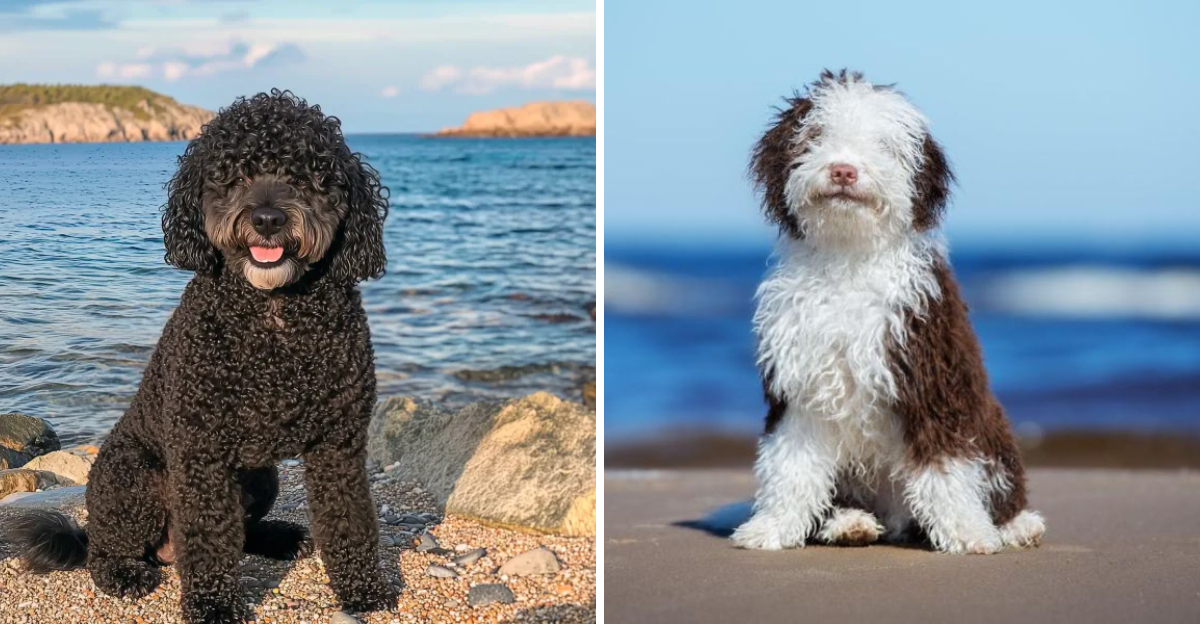
- Target Scope: Caregivers, trainers, and veterinary professionals managing breeds like Poodles, Portuguese Water Dogs, and Bichon Frises.
- Key Recommendation: Implement routine line-brushing and professional clip schedules to prevent debilitating pelting and skin infections.
Core Principles and Detailed Overview
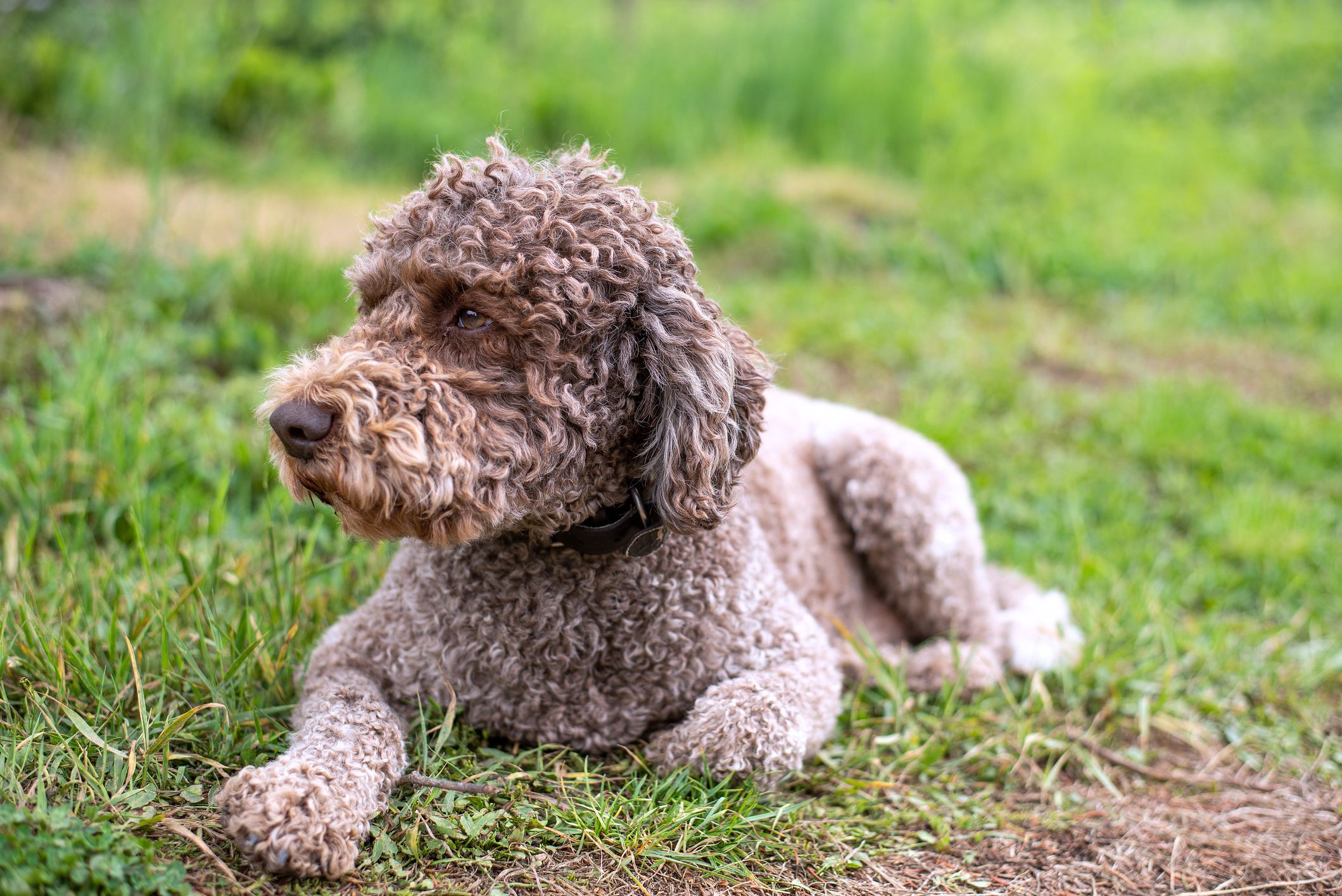
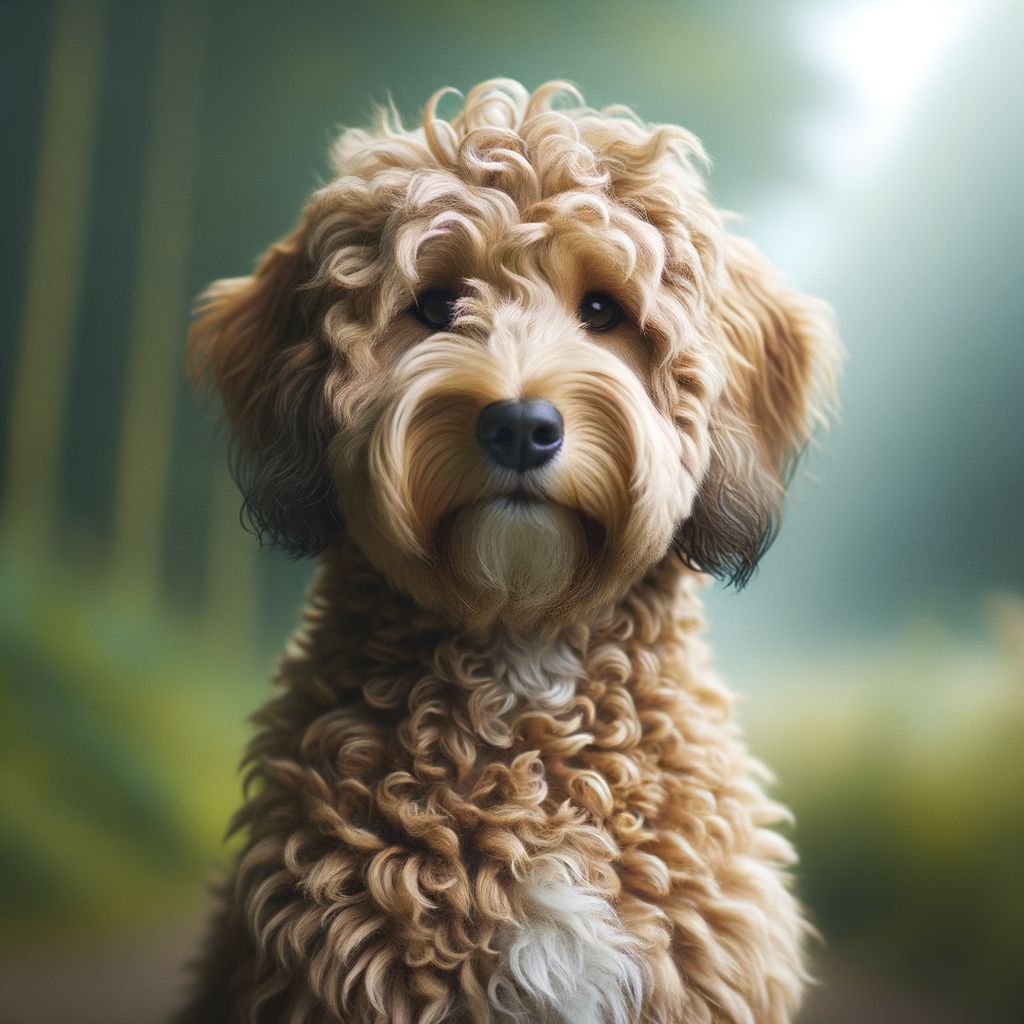
Curly hair in canine companions results from specific genetic mutations affecting follicle shape, causing the hair shaft to grow in an asymmetrical spiral pattern. This structural uniqueness minimizes loose hair dispersal around living spaces, positioning these dogs as popular selections for allergy-sensitive households, yet the trait demands rigorous daily intervention. Dead hairs twist within the living curls, forming dense mats that pull tightly against the underlying epidermis, restricting airflow and trapping moisture, debris, and ectoparasites. Preventing moisture retention and subsequent bacterial or fungal dermatitis requires adherence to strict husbandry standards, which intersects closely with Dog Health monitoring protocols. Furthermore, behavioral desensitization to handling, grooming tools, and mechanical clippers is vital, as tactile sensitivity is frequently observed in high-maintenance coat types.
Key Specifications and Breakdown
| Observed Indicator / Factor | Veterinary & Behavioral Explanation | Actionable Management Protocol |
|---|---|---|
| Follicular Matting | Shed hairs intertwine with active curls, creating restrictive felted masses that compromise dermal blood flow. | Perform daily line-brushing using a slicker brush and metal greyhound comb down to the skin level. |
| Tactile Sensitivities | Repetitive pulling from neglected tangles induces defensive canine behavioral cues and fear-based avoidance. | Pair grooming sessions with high-value positive reinforcement to build tolerance and calm demeanor. |
| Nutritional Demands | Continuous hair growth heavily taxes systemic protein and essential fatty acid reserves within the body. | Provide balanced diets rich in omega-3 fatty acids and amino acids to support structural hair integrity. |
Routine parasite screening and year-round preventative protocols are strictly recommended for dense-coated dogs to intercept hidden flea infestations and tick attachments. — American Veterinary Medical Association (AVMA)
Step-by-Step Practical Application and Guidelines
Maintaining the health and structural integrity of curly canine coats requires a systematic routine combining proper nutrition, gentle handling, and professional veterinary oversight. Nutritional balance plays a foundational role; high-quality proteins supply the necessary keratin building blocks for continuous hair generation, while supplemental dermal nutrients prevent dry, brittle shafts. Caregivers must establish early desensitization protocols, familiarizing puppies with touch, acoustic sounds of grooming equipment, and restraint without triggering fear responses, aligning with positive methods outlined in Dog Training frameworks. Bathing procedures require deep-penetrating hydration shampoos followed by complete, low-heat blow-drying while continuously combing the curls straight, preventing damp microclimates from forming against the skin. Regular veterinary skin checks ensure that hidden lesions, hot spots, or parasitic dermatitis are addressed promptly before systemic complications arise.
Common Challenges and How to Avoid Them
Neglecting the under-layers of curly coats invariably leads to severe pelted matting, which can cause ischemic skin necrosis and profound psychological stress during emergency removal procedures. A frequent oversight among inexperienced pet parents is superficial brushing, where only the top layer of curls is smoothed while dense felt accumulates near the dermal surface. To avoid this painful error, caregivers must utilize the line-parting technique, inspecting skin health across all anatomical zones during every maintenance session. Additionally, avoiding improper human cosmetic shampoos prevents the disruption of the natural protective epidermal lipid barrier, preserving skin immunity. When behavioral resistance or sudden aggression occurs during coat manipulation, forced compliance must cease immediately to prevent escalation; instead, structured behavioral modifications should be integrated to address underlying anxiety.
💬 Frequently Asked Questions
Explore More Pet Care and Animal Health Guides on PetsAnimalsWorld
Optimizing the health, happiness, and behavioral stability of textured-coat companions requires ongoing education and adherence to professional veterinary standards. Caregivers seeking broader insights into optimal animal husbandry, preventative medicine, and behavioral enrichment can explore the comprehensive libraries available at Pets Animals World.
Visual Reference Gallery