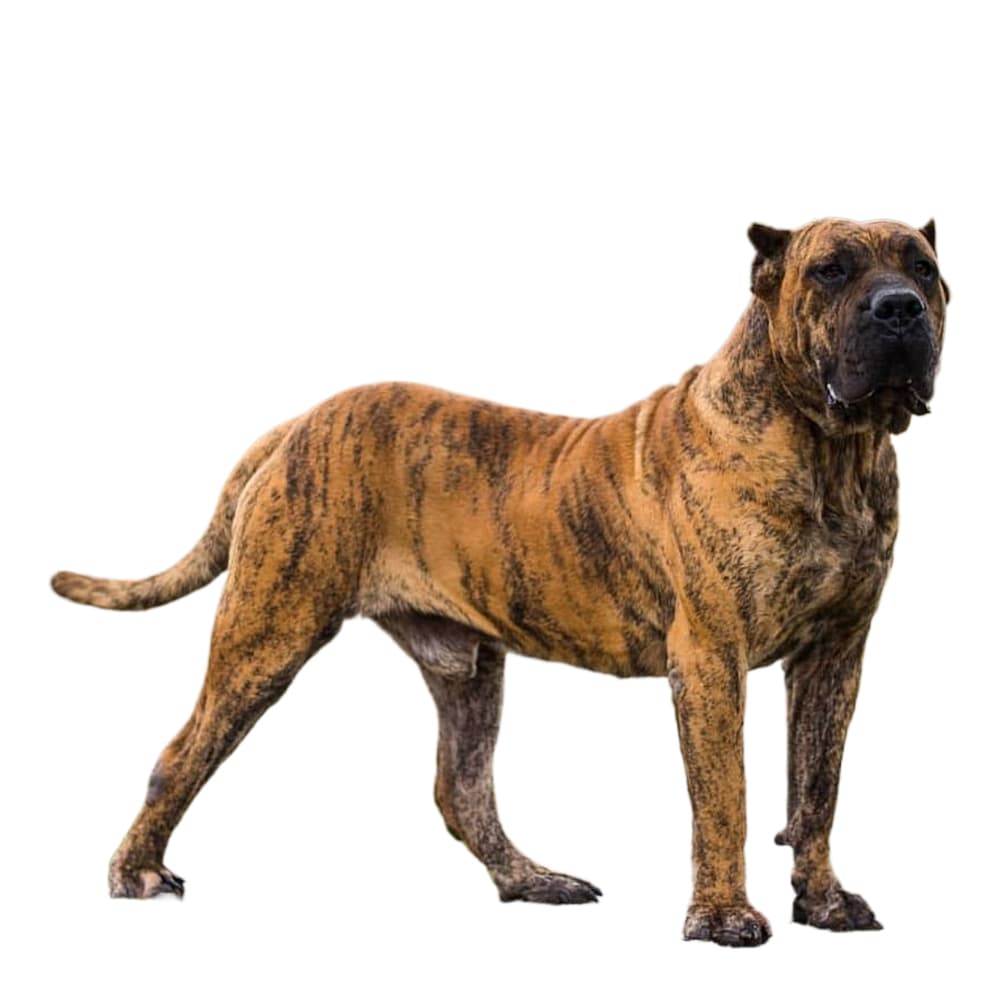
Understanding the Unique Appeal of the Albino Husky in Canine Care
The appearance of a strikingly pale, all-white dog often sparks intense curiosity among canine enthusiasts, yet true lack of pigmentation involves specific biological mechanisms that set these animals apart from standard white-coated dogs. According to the American Kennel Club, standard Siberian Huskies feature a diverse palette of coat colors ranging from jet black to pure white, but these traditional white dogs maintain pigmented skin, dark eyes, and typical dark rims around their noses and lips. True albinism represents a rare genetic condition characterized by a complete absence of melanin, the pigment responsible for coloring hair, skin, and eyes. Navigating the world with a completely unpigmented companion requires specialized knowledge regarding sun protection, vision limitations, and daily management strategies that differ from caring for standard-colored dogs. This comprehensive guide explores the physiological realities, sensory considerations, and specialized care practices necessary for maintaining the health and well-being of an unpigmented canine.
💡 Pet Care Key Takeaways:
- Core Focus: Practical health, nutrition, and wellness guidelines for Albino Husky.
- Target Scope: Pet owners, animal caregivers, and veterinary support staff.
- Best Recommendation: Maintain consistent daily routines and consult an accredited veterinarian before introducing major diet or medical changes.
Defining the Genetics and Characteristics of an Albino Husky
True albinism occurs due to a genetic mutation that disrupts tyrosinase, an enzyme essential for melanin production, resulting in a complete lack of color throughout the body. Many owners frequently mistake standard white or cream-colored Siberian Huskies for albinos because standard lines commonly feature pale coats. However, true albinism is distinguished by distinct physiological markers, most notably pink or reddish eyes caused by visible blood vessels showing through unpigmented retinal structures, along with pink skin and extremely pale, translucent paw pads. This genetic variation is exceptionally rare within the breed because standard breeding practices rarely select for complete lack of pigmentation. Understanding this distinction helps caretakers recognize that true unpigmented dogs require specific environmental management that standard white dogs might not necessitate to the same degree.
The complete absence of melanin significantly impacts ocular development and dermal protection, making specialized health monitoring an absolute priority for responsible caretakers. Melanin plays a vital role in proper retinal development and visual processing; consequently, dogs lacking this pigment frequently experience photophobia, which is an extreme sensitivity to bright sunlight, along with varying degrees of visual impairment or decreased visual acuity. Additionally, unprotected skin lacks the natural defense against ultraviolet radiation that melanin provides, elevating the risk of sunburn, dermatological irritation, and long-term skin malignancies. Routine veterinary examinations focusing on ophthalmological health and dermatological checks form an essential part of lifelong medical maintenance for these unique animals.
Ultraviolet radiation penetrates unpigmented skin much more readily than pigmented skin, requiring proactive environmental management to prevent solar dermatitis and related skin injuries — American Veterinary Medical Association
Practical Management and Everyday Care Strategies
Adapting the home and outdoor environment to accommodate sensory limitations ensures a safe, stress-free existence for dogs lacking normal pigmentation. Indoor lighting should remain balanced and comfortable to prevent unnecessary strain on sensitive eyes, while outdoor excursions require careful timing during early morning or late evening hours to minimize harsh sunlight exposure. Pet-safe sunscreens formulated specifically for canines can offer temporary protection for exposed areas like the nose bridge and ear tips, though shade should always remain readily accessible. Incorporating structured routines and consistent spatial arrangements inside the home helps animals with visual deficits navigate their surroundings with confidence and minimized anxiety.
Preventing Common Oversight and Maintaining Best Practices
Caretakers frequently overlook the subtle signs of visual discomfort or skin irritation until conditions progress into more serious health concerns. Avoiding sudden changes to furniture layouts or walking paths prevents unnecessary disorientation for dogs experiencing reduced visual acuity. Furthermore, relying on verbal cues and tactile signals rather than visual gestures during routine interactions strengthens communication and builds mutual trust. Establishing a proactive partnership with a veterinary professional ensures that any emerging eye or skin abnormalities receive prompt evaluation and appropriate management before impacting overall quality of life.
Canines with congenital sensory alterations rely heavily on consistent environmental cues, auditory communication, and secure spatial boundaries to maintain spatial awareness and emotional stability — American Society for the Prevention of Cruelty to Animals
Pet Care & Wellness Overview Table
| Life Stage | Daily Activity Level | Key Nutrition / Care Focus |
|---|---|---|
| Puppy / Kitten | High (frequent short bursts) | High-protein growth diet & early socialization |
| Adult Companion | Moderate (30–60 mins daily) | Balanced maintenance nutrition & dental hygiene |
| Senior Pets | Low to Gentle (mindful walks) | Joint support (Glucosamine) & routine vet checks |
Images References


Temperament, Breed Traits, and Environmental Adaptations
The behavioral profile of these dogs generally reflects the foundational characteristics of the working Arctic sled breed, blending high energy reserves with independent thinking and strong stamina. While the lack of pigmentation does not directly alter baseline canine personality traits, sensory sensitivities such as light aversion can sometimes manifest as hesitance in bright outdoor environments, which might be misinterpreted as behavioral timidity. Ensuring appropriate mental stimulation through puzzle toys, scent work, and positive reinforcement keeps the working mind engaged without requiring intense exposure to glaring sunlight. Owners should explore foundational resources on Dog Behavior and Dog Breeds to better understand how working heritage intersects with unique physical traits.
When to Consult a Veterinary Professional or Specialist
Professional veterinary guidance remains indispensable whenever caretakers observe changes in ocular discharge, persistent squinting, sudden reluctance to navigate familiar rooms, or unusual skin lesions. For suspected medical emergencies, sudden vision loss, severe trauma, or acute behavioral distress, immediate veterinary evaluation is required to ensure proper stabilization and treatment. Partnering with veterinary specialists, such as veterinary ophthalmologists or dermatologists, helps establish tailored preventative care plans that address the lifelong needs of dogs with complete lack of pigmentation. Reviewing expert guidance on Dog Health and Dog Care provides additional foundational knowledge to support optimal day-to-day wellness.
Closing Perspectives on Specialized Canine Companionship
Embracing the responsibility of caring for a uniquely pigmented canine enriches the human-animal bond through attentive observation, adaptive husbandry, and dedicated health monitoring. By prioritizing environmental safety, regular veterinary checkups, and thoughtful daily routines, caretakers ensure these remarkable animals lead comfortable and fulfilling lives. Continued education on Dog Nutrition helps complete a holistic approach to lifelong well-being. Discover further insights and helpful resources directly at PetsAnimalsWorld.com to support every stage of the journey.