

Introduction
A dog’s nose is a remarkable sensory organ, integral to its understanding of the world. A healthy nose is typically moist and supple, aiding in scent detection and overall comfort. However, environmental factors, underlying health conditions, or even breed predispositions can lead to a dry, cracked, or uncomfortable nose. This is where understanding the “best nose balm for dogs” becomes a crucial aspect of canine care. A quality nose balm provides relief, protection, and promotes healing for a dog’s sensitive snout, addressing an issue that can range from a minor annoyance to a significant source of discomfort. Recognizing the importance of a well-maintained nose and knowing how to select and apply an appropriate balm can significantly improve a dog’s well-being and sensory experience.
💡 Pet Care Key Takeaways:
- Core Focus: Practical health, nutrition, and wellness guidelines for Best Nose Balm For Dogs.
- Target Scope: Pet owners, animal caregivers, and veterinary support staff.
- Best Recommendation: Maintain consistent daily routines and consult an accredited veterinarian before introducing major diet or medical changes.
Common Causes and Key Factors
Several factors contribute to a dog developing a dry or cracked nose, necessitating the use of a protective balm. Environmental conditions often play a significant role. Exposure to harsh weather elements such as strong winds, extreme cold, intense sun, or very dry air can strip the nose of its natural moisture. Similarly, dry indoor environments, especially during winter months with heating systems, can lead to dehydration of the nasal tissues. For more related activities, check out our Doggy Day Care Uxbridge.
Dehydration, if a dog is not consuming enough water, can also manifest as a dry nose. Certain breeds are genetically predisposed to drier noses or conditions like nasal hyperkeratosis, where excess keratin builds up, causing crusting and cracking. Brachycephalic breeds, such as Pugs and Bulldogs, may have drier noses due to anatomical factors affecting their ability to lick their noses effectively.
Age can also be a contributing factor, with older dogs sometimes experiencing drier skin and noses. Furthermore, allergies to environmental irritants like pollen, dust mites, or certain cleaning products can cause inflammation and dryness. While often benign, a persistently dry or cracked nose can sometimes indicate an underlying health issue, such as autoimmune diseases, zinc deficiency, or certain skin conditions, making careful observation essential.
Signs and Symptoms to Observe
Recognizing the signs that a dog may benefit from a nose balm involves careful observation of the nasal pad’s appearance and the dog’s behavior. The most common indicators include a visibly dry, rough, or crusty texture on the surface of the nose. Instead of the typical moist and slightly cool feel, the nose might feel warm and hard.
Other observable symptoms include peeling, flaking, or scaling of the skin on the nose. In more severe cases, cracks or fissures may appear, sometimes deep enough to cause bleeding or discomfort. A change in the natural pigmentation of the nose, such as patches of lighter or darker color, can also signal an issue.
Dogs experiencing nasal dryness or discomfort might exhibit behavioral changes. These can include excessive licking of the nose, pawing at the snout, or rubbing their face against furniture or the ground in an attempt to alleviate irritation. While these signs generally point to the need for a nose balm, any rapidly worsening symptoms or signs of pain warrant further investigation. The severity of these signs can vary based on the dog’s age, breed, and the specific cause of the dryness.
Practical Solutions and Management Strategies
Addressing a dog’s dry nose effectively involves a combination of preventative measures and the application of a high-quality nose balm. Ensuring consistent hydration is fundamental; dogs should always have access to fresh, clean water. Environmental adjustments, such as using humidifiers in dry indoor spaces or limiting prolonged exposure to extreme weather conditions, can also help maintain nasal moisture.
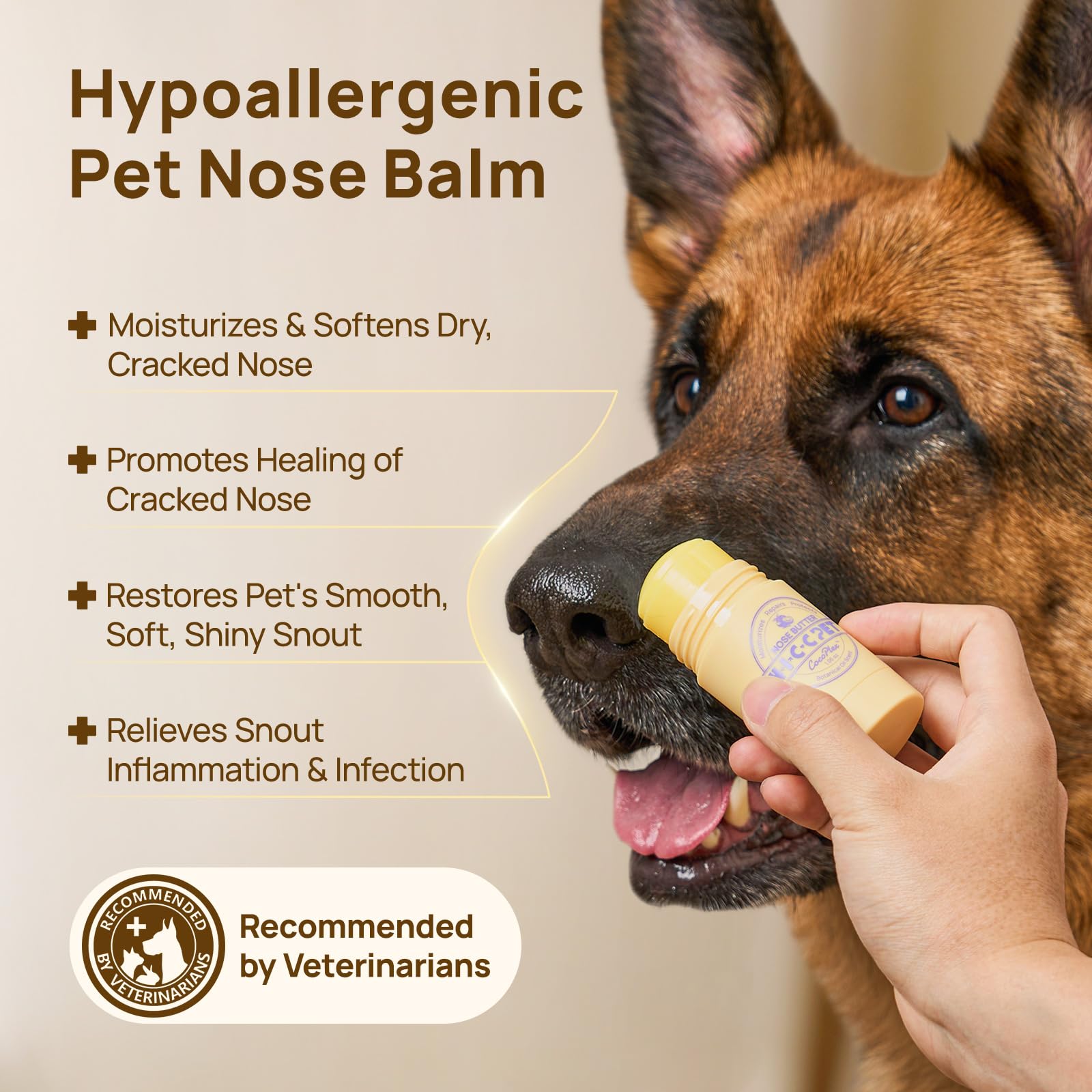
The cornerstone of treatment for a dry nose is selecting the “best nose balm for dogs.” This typically means choosing a product made with natural, pet-safe, and lickable ingredients. Ideal balms often contain ingredients like shea butter, coconut oil, beeswax, olive oil, and vitamin E, all known for their moisturizing and healing properties. It is paramount that any ingredients are non-toxic, as dogs will inevitably lick their noses. Products containing harsh chemicals, artificial fragrances, or ingredients known to be toxic to canines should be avoided.
Application is straightforward. A small amount of balm should be gently massaged into the dog’s nose pad, ensuring full coverage. This can be done once or twice daily, or as needed, depending on the severity of the dryness. Consistency is key for optimal results. For dogs prone to chronic dryness, integrating balm application into a regular grooming routine can prevent future issues. Prior to full application, a patch test on a small area of skin can help identify any potential sensitivities or allergic reactions to new products.
When Professional Help May Be Needed
While many cases of dry or cracked noses respond well to home care and the consistent use of a quality nose balm, certain situations necessitate professional veterinary attention. If a dog’s nasal dryness persists or worsens despite regular balm application and environmental adjustments, it is a clear indication that a deeper issue might be at play.
Veterinary consultation is advised if deep cracks develop, bleeding occurs, or if there are open sores on the nose that could lead to infection. Any unusual changes in the nose’s pigmentation, such as spreading discolored patches, or the development of growths, should also prompt a visit to the veterinarian.
Furthermore, if the dry nose is accompanied by other symptoms, such as lethargy, loss of appetite, fever, or additional skin issues elsewhere on the body, it could signal an underlying systemic disease. Conditions like autoimmune disorders, certain infections, or nutritional deficiencies can manifest with nasal symptoms, requiring a professional diagnosis and a tailored treatment plan from a qualified veterinarian.
Conclusion
A healthy, moist nose is vital for a dog’s comfort and sensory exploration of its surroundings. Understanding the causes of nasal dryness and knowing how to effectively address them with the “best nose balm for dogs” forms an essential part of responsible pet ownership. Proactive care, including ensuring proper hydration and managing environmental factors, can significantly contribute to maintaining nasal health. The careful selection and consistent application of a safe, natural nose balm can provide immense relief and protection, helping to heal cracked noses and prevent future discomfort. However, continuous observation of a dog’s nose and overall health remains paramount, with veterinary consultation advised for any persistent, severe, or concerning symptoms. By staying informed and attentive, dog owners can ensure their canine companions enjoy optimal nasal health and comfort, enhancing their overall quality of life.
Pet Care & Wellness Overview Table
| Life Stage | Daily Activity Level | Key Nutrition / Care Focus |
|---|---|---|
| Puppy / Kitten | High (frequent short bursts) | High-protein growth diet & early socialization |
| Adult Companion | Moderate (30–60 mins daily) | Balanced maintenance nutrition & dental hygiene |
| Senior Pets | Low to Gentle (mindful walks) | Joint support (Glucosamine) & routine vet checks |
Images References



For more expert pet care tips and advice, check out our dedicated Dog Care guides to keep your companions healthy and happy.


