

Introduction
The initial eight weeks of a puppy’s life represent a profoundly critical period, laying the groundwork for its entire future health, temperament, and social integration. Understanding and implementing effective strategies for caring for puppies from birth to 8 weeks is paramount for anyone involved with a new litter, whether an experienced breeder, a foster parent to an accidental litter, or a rescuer assisting an orphaned group. This intensive phase encompasses rapid physical development, the emergence of sensory abilities, crucial socialization experiences, and the establishment of foundational health. Dedicated care during this timeframe directly influences a puppy’s ability to thrive, adapt, and form positive bonds, ultimately enhancing its well-being and quality of life as a canine companion.
💡 Pet Care Key Takeaways:
- Core Focus: Practical health, nutrition, and wellness guidelines for Caring For Puppies From Birth To 8 Weeks.
- Target Scope: Pet owners, animal caregivers, and veterinary support staff.
- Best Recommendation: Maintain consistent daily routines and consult an accredited veterinarian before introducing major diet or medical changes.
Common Causes and Key Factors
The comprehensive act of caring for puppies from birth to 8 weeks addresses a multitude of evolving needs driven by distinct biological and environmental factors. Biologically, newborns are entirely dependent on their mother for warmth, nutrition, and stimulation, particularly in the first few weeks when their immune systems are still developing and their eyes and ears remain closed. The mother’s colostrum, the first milk produced, provides essential antibodies that offer passive immunity during this vulnerable stage. For more related activities, check out our Doggy Day Care Yarraville.
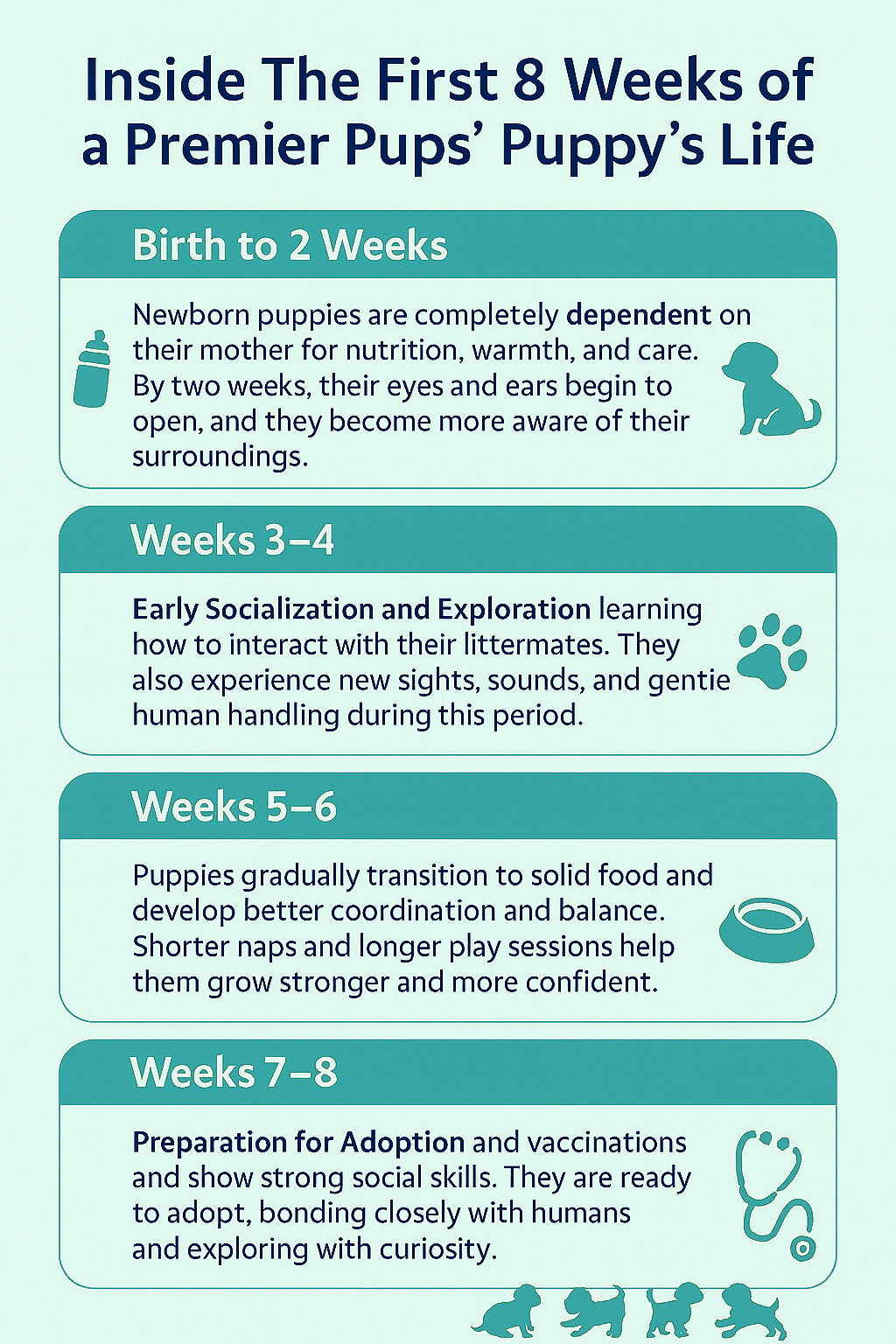
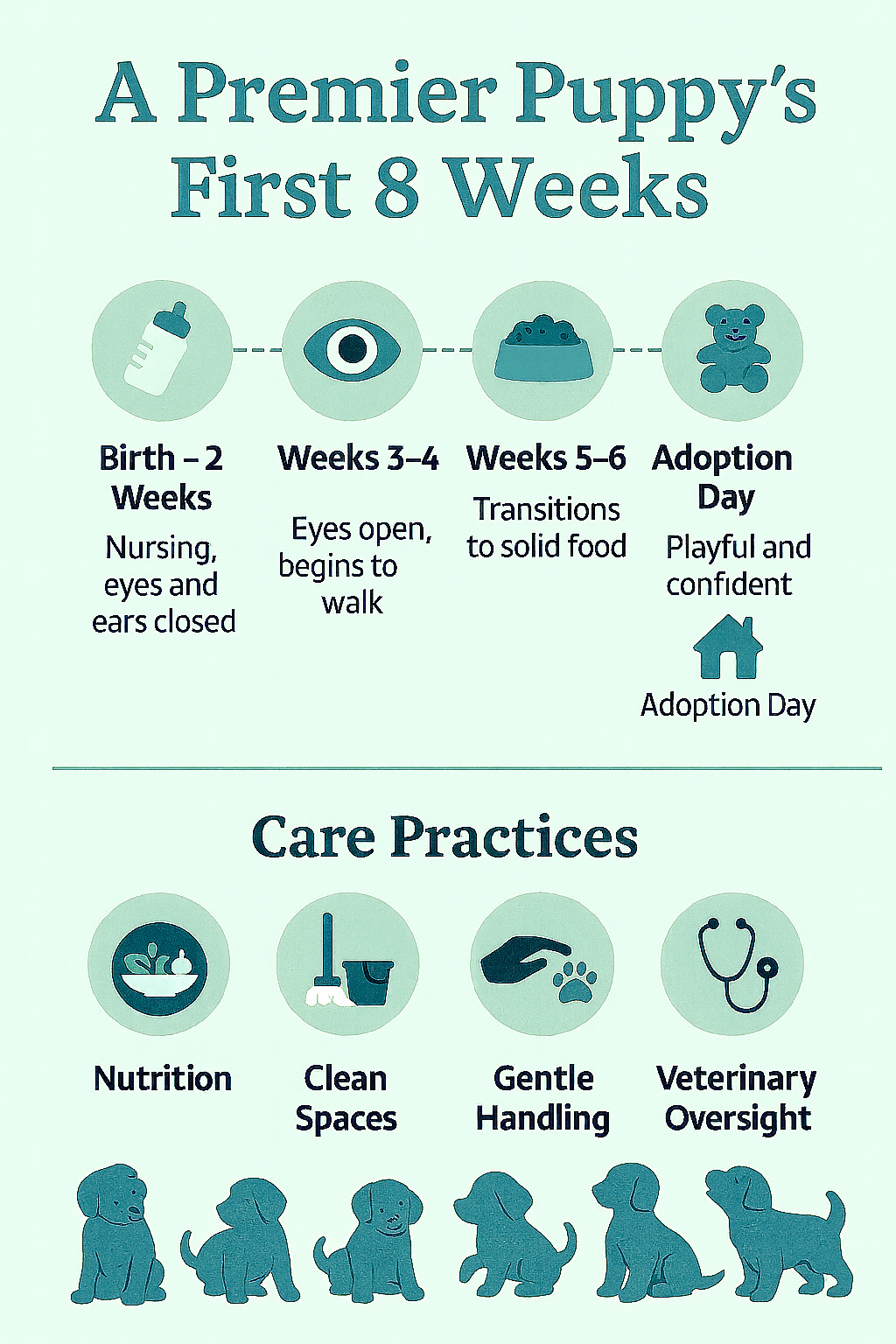
As puppies progress, typically around two weeks, their eyes and ears begin to open, marking a significant shift in their interaction with the environment. This sensory development necessitates a safe, clean, and stimulating space that gradually introduces them to new sights and sounds without overwhelming them. Nutritional needs transition from exclusive reliance on maternal milk to the gradual introduction of solid foods, usually starting around three to four weeks of age.
Socially and emotionally, interaction with littermates and the mother is crucial for learning appropriate canine behaviors, bite inhibition, and communication cues. Environmental factors, such as maintaining a stable ambient temperature, ensuring impeccable hygiene in the whelping box, and providing controlled exposure to human interaction, are equally vital. Challenges can arise from large litter sizes, a mother’s health issues, or, in unfortunate circumstances, the need to care for orphaned puppies, which significantly escalates the intensity of required intervention.
Signs and Symptoms to Observe
Observing puppies meticulously during their first eight weeks offers critical insights into their health and development. Signs of a thriving puppy include consistent weight gain, active nursing, warm bodies, and contented sleep. Newborns should be seen wriggling towards a nipple, suckling vigorously, and resting peacefully after feeding. Their skin should be pink and plump, and their movements, though wobbly, should be purposeful when seeking nourishment.
As they age, around three to four weeks, healthy puppies begin to explore their surroundings more, interacting with littermates through play-biting and wrestling. They should show increasing coordination, respond to gentle sounds and movements, and demonstrate curiosity. Around five to eight weeks, play becomes more complex, and puppies exhibit improved motor skills, greater independence, and a keen interest in their environment. Their appetite for solid food should be robust, and they should be eliminating effectively.
Conversely, signs warranting concern include persistent crying or whining, lethargy, an unwillingness to nurse, or a failure to gain weight. Cold bodies, pale gums, vomiting, diarrhea, difficulty breathing, or any discharge from the eyes or nose are serious indicators of distress or illness. Puppies isolating themselves from the litter, exhibiting prolonged tremors, or failing to meet developmental milestones, such as eyes opening or walking by the appropriate age, also signal potential issues requiring immediate attention.
Practical Solutions and Management Strategies
Effective management strategies for caring for puppies from birth to 8 weeks involve a multi-faceted approach focusing on environment, nutrition, health, and early socialization.
Environmental Control: Maintaining a warm, draft-free environment is paramount, especially for newborns who cannot regulate their own body temperature. A whelping box with clean bedding, changed frequently, is essential for hygiene. Gradual introduction to different household sounds and textures helps acclimatize puppies to their future homes.
Nutritional Support: Ensuring the mother is well-nourished is critical for milk production. For the puppies, monitoring nursing behavior is vital. If a puppy is not gaining weight, supplemental feeding with a veterinarian-approved milk replacer may be necessary. Around three to four weeks, a gruel made from puppy kibble softened with water or milk replacer can be introduced, gradually transitioning to dry kibble by eight weeks. Always ensure fresh water is accessible once puppies are eating solids.
Health Monitoring: Regular weight checks, ideally twice daily for the first two weeks and then daily, help track growth. Puppies should be dewormed starting around two weeks of age, with subsequent doses every two weeks, following veterinary guidance. Basic grooming, such as keeping nails trimmed, helps prevent scratches to the mother and littermates.
Early Socialization: Gentle, positive handling by various people from an early age helps puppies develop into well-adjusted adults. Exposure to different surfaces, toys, and age-appropriate noises should be introduced gradually. Allowing puppies to interact with their mother and littermates for the full eight weeks is crucial for learning canine social cues and bite inhibition.
Potty Training Foundation: While formal potty training begins later, establishing a designated elimination area outside the sleeping and eating spaces within the whelping box or playpen helps teach early concepts of cleanliness.
When Professional Help May Be Needed
While diligent home care forms the backbone of raising healthy puppies, certain situations necessitate immediate veterinary intervention. Professional help should be sought if any puppy exhibits severe lethargy, persistent crying, refusal to nurse for more than a few hours, significant weight loss or failure to gain weight, or symptoms of illness such as vomiting, diarrhea, respiratory distress, or severe discharge from the eyes or nose. These signs could indicate serious underlying health issues requiring prompt medical attention.
Furthermore, in cases of orphaned puppies, where the mother is absent, unwell, or unwilling to care for her litter, veterinary guidance is essential for establishing appropriate feeding protocols, maintaining body temperature, and addressing potential health complications. Any noticeable developmental delays, such as a puppy not opening its eyes or ears by the expected age, or exhibiting significant difficulty walking or coordinating movements, also warrants a veterinary consultation. Prompt professional assessment ensures the best possible outcomes for the delicate lives of young puppies.
Conclusion
The period of caring for puppies from birth to 8 weeks is a profound journey of rapid growth and crucial development, directly influencing a dog’s long-term health, behavior, and social aptitude. The foundational care provided during these initial weeksencompassing precise nutritional support, vigilant health monitoring, meticulous environmental management, and positive early socializationis instrumental in shaping a well-adjusted and resilient canine. Through consistent observation, proactive intervention, and a commitment to meeting their evolving needs, caregivers lay the essential groundwork for puppies to flourish. This dedicated effort not only ensures their immediate survival and well-being but also fosters the development of cherished companions, underscoring the vital importance of informed and compassionate puppy care.
Pet Care & Wellness Overview Table
| Life Stage | Daily Activity Level | Key Nutrition / Care Focus |
|---|---|---|
| Puppy / Kitten | High (frequent short bursts) | High-protein growth diet & early socialization |
| Adult Companion | Moderate (30–60 mins daily) | Balanced maintenance nutrition & dental hygiene |
| Senior Pets | Low to Gentle (mindful walks) | Joint support (Glucosamine) & routine vet checks |
Images References






For more expert pet care tips and advice, check out our dedicated Dog Care guides to keep your companions healthy and happy.




