Introduction
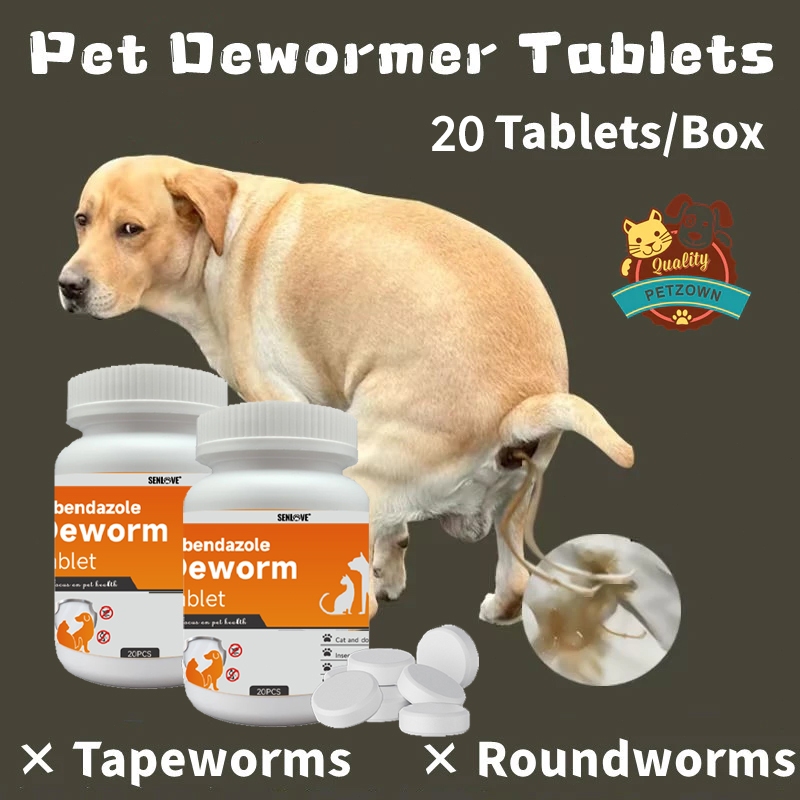
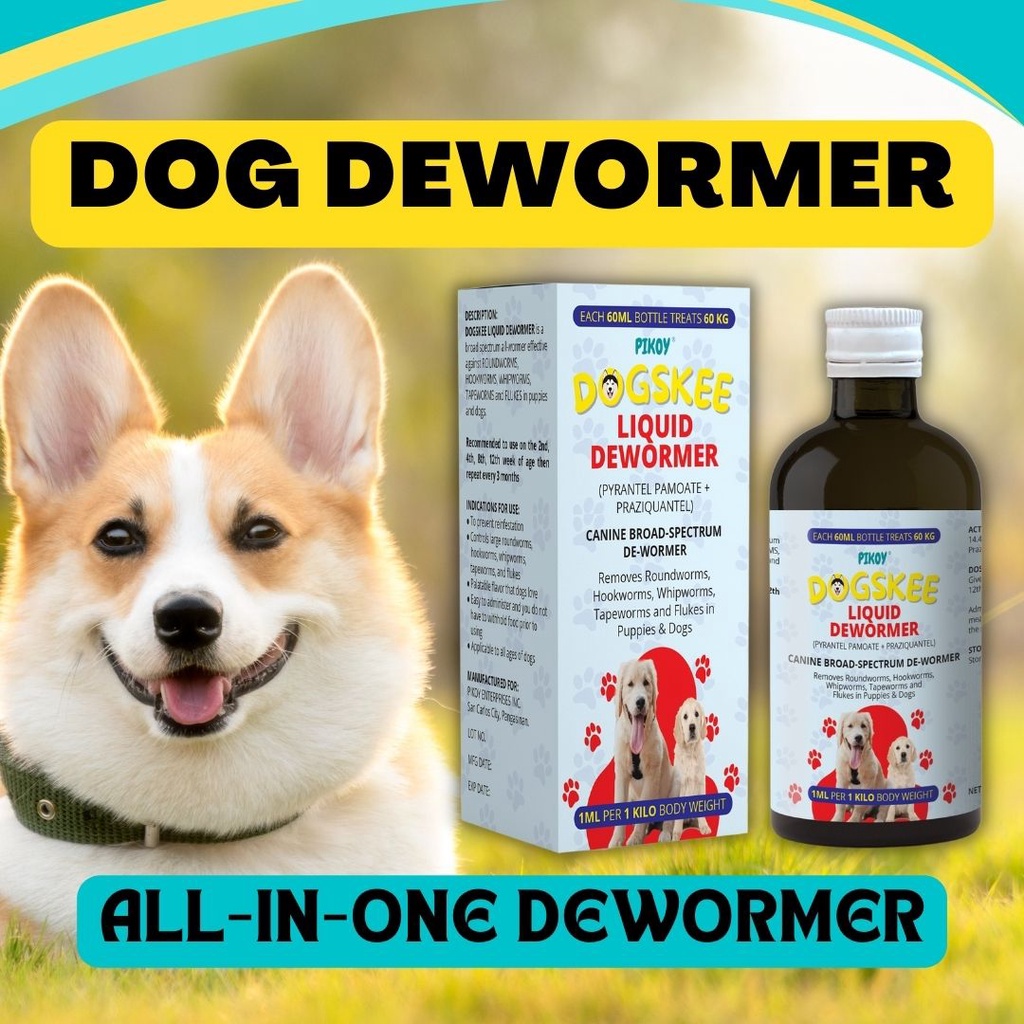
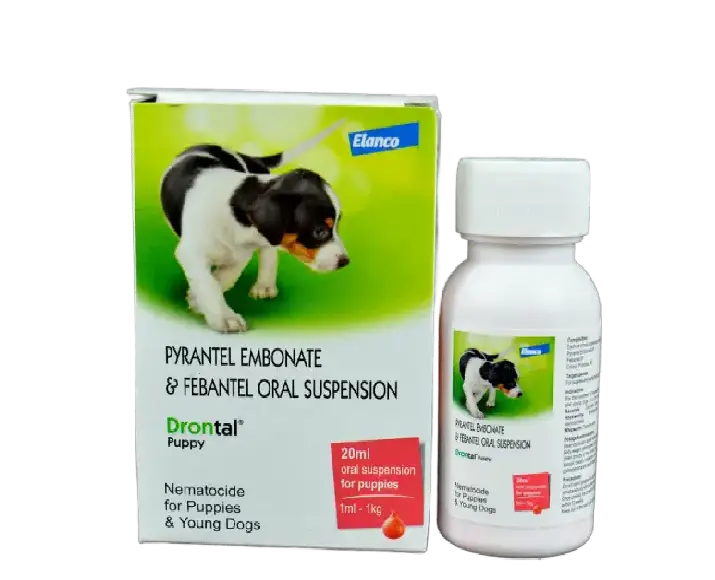
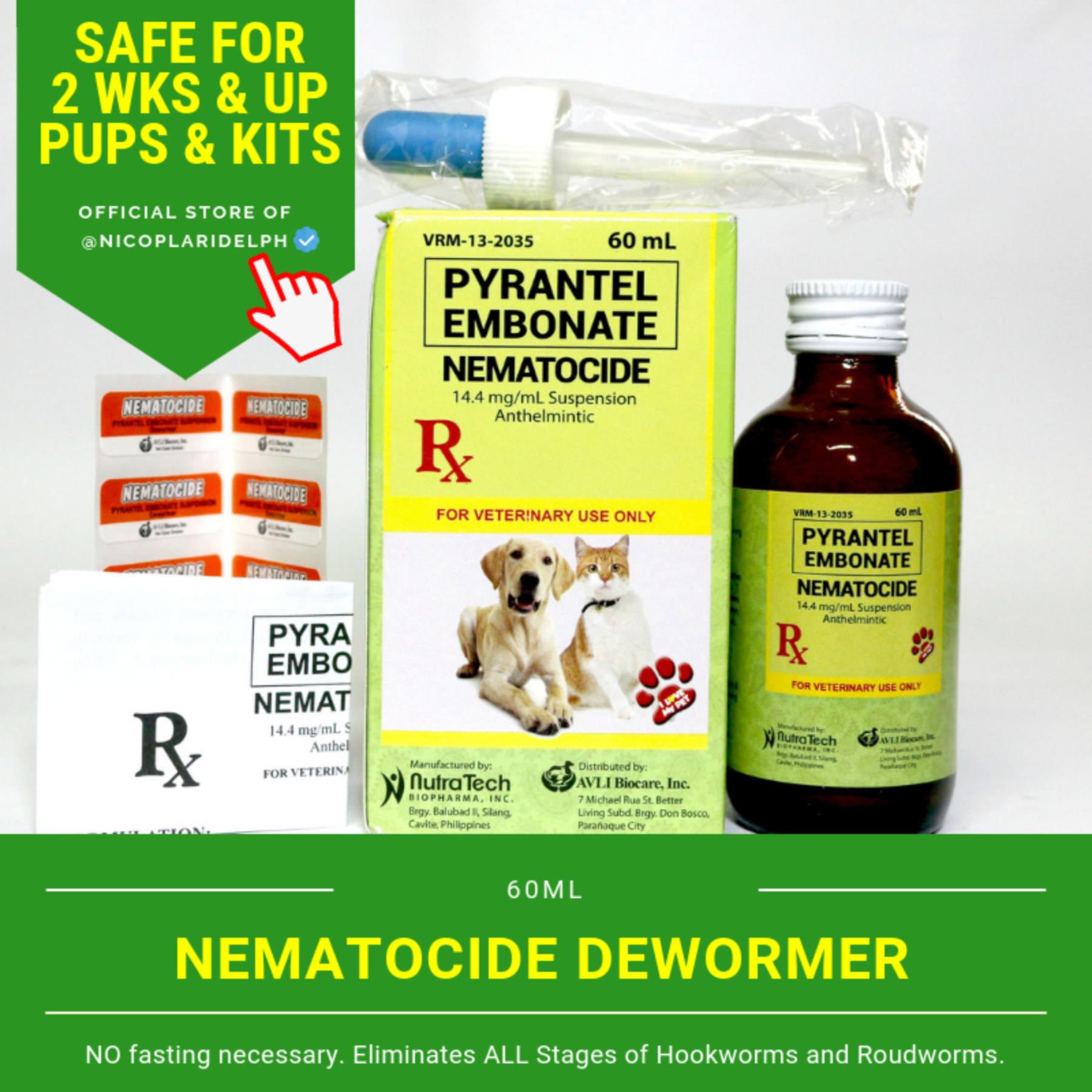
Ensuring the optimal health and well-being of a new canine companion is a paramount responsibility for every dog owner. Among the most crucial aspects of early puppy care is the process known as deworming for puppies. This essential preventative measure involves administering medication to eliminate or control internal parasites, commonly referred to as worms, that can inhabit a puppy’s digestive system and other organs. Puppies are particularly susceptible to these parasites, often acquiring them from their mother before birth or through nursing, as well as from contaminated environments. Understanding the importance of deworming and implementing a proper schedule can significantly impact a puppy’s growth, energy levels, and overall quality of life, preventing health complications and potential transmission to other pets or even humans. Explore more in our Dog Care collection.
💡 Pet Care Key Takeaways:
- Core Focus: Practical health, nutrition, and wellness guidelines for Deworming For Puppies.
- Target Scope: Pet owners, animal caregivers, and veterinary support staff.
- Best Recommendation: Maintain consistent daily routines and consult an accredited veterinarian before introducing major diet or medical changes.
Common Causes and Key Factors
The presence of worms in puppies is a widespread issue, primarily due to several common transmission routes and environmental factors. A significant cause is maternal transmission, where puppies can contract parasites from their mother. This can occur prenatally, with larvae passing through the placenta into the unborn puppies, or postnatally, as larvae are passed through the mother’s milk during nursing. For more related activities, check out our Doggy Day Care Victoria.
Another prevalent factor is environmental contamination. Puppies exploring their surroundings can easily ingest microscopic worm eggs or larvae present in soil, grass, or contaminated feces from other animals. These eggs hatch inside the puppy’s body, and the larvae mature into adult worms. Different types of worms are acquired in various ways; for instance, roundworms and hookworms are often transmitted maternally and environmentally, while whipworms are typically contracted from contaminated soil. Tapeworms usually require an intermediate host, such as a flea that a puppy might ingest while grooming, or small rodents that a curious puppy might hunt and eat. Poor sanitation in breeding environments or crowded conditions can exacerbate the risk of parasitic infections in young puppies. Discover more free resources across our collection library.
Signs and Symptoms to Observe
Observing a puppy for potential signs of parasitic infection is a critical step in ensuring timely intervention. The symptoms can vary depending on the type of worm, the severity of the infestation, and the puppy’s age and general health. However, several general indicators often suggest the presence of internal parasites.
Common signs include a pot-bellied appearance, especially noticeable in otherwise thin puppies, a dull or rough coat, and stunted growth compared to littermates. Puppies with worms may exhibit lethargy, reduced activity levels, and a general lack of energy. Digestive issues are also prevalent; these can manifest as diarrhea, which may range from mild to severe, or vomiting. In some cases, owners might visibly observe worms in the puppy’s feces or vomit, particularly with roundworm infestations, which appear like spaghetti. Hookworms can cause anemia, leading to pale gums and weakness, sometimes accompanied by bloody or tarry stools. Tapeworms may cause visible segments resembling grains of rice around the puppy’s anus or in the stool, often prompting the puppy to “scoot” its rear on the ground due to irritation. A persistent cough can also indicate larval migration of certain worms through the lungs. Young puppies are often more severely affected due to their developing immune systems and smaller body mass.
Practical Solutions and Management Strategies
Effective management of internal parasites in puppies hinges on a structured approach that prioritizes veterinary guidance. The cornerstone of practical solutions is a comprehensive deworming schedule established and overseen by a qualified veterinarian. Typically, puppies begin deworming at a very young age, often around two to three weeks old, with treatments repeated every two weeks until they are eight to twelve weeks old. After this initial series, monthly deworming may continue until six months of age, followed by a regular adult deworming schedule based on individual risk factors and local parasite prevalence.
Veterinarians prescribe specific deworming medications tailored to target the types of worms identified or suspected. A fecal examination is often conducted to accurately diagnose the present parasites, allowing for the most effective treatment. Adherence to the prescribed dosage and frequency is crucial for eradicating worms and preventing reinfection. Beyond medication, rigorous hygiene practices are essential. This includes prompt removal and proper disposal of puppy feces, regular cleaning and disinfection of the puppy’s living environment, and thorough handwashing after handling puppies or cleaning up waste. Controlling intermediate hosts, such as implementing a robust flea control program, is vital for preventing tapeworm infections. Additionally, preventing puppies from accessing or ingesting potentially contaminated soil, stagnant water, or prey animals can significantly reduce their exposure risk. A balanced, nutritious diet supports a strong immune system, but it does not replace the need for a regular deworming protocol.
When Professional Help May Be Needed
While the concept of deworming for puppies might seem straightforward, professional veterinary assistance is always warranted and often critical. Attempting to self-diagnose or administer over-the-counter dewormers without a veterinarian’s guidance can be ineffective or even harmful. A veterinarian’s expertise is necessary for several key reasons.
Firstly, a veterinarian can conduct a fecal examination to accurately identify the specific types of worms present. Different parasites require different medications, and an incorrect treatment may not only fail to resolve the problem but could also delay appropriate care. Secondly, a veterinarian determines the correct dosage and frequency of deworming medication based on the puppy’s age, weight, and overall health, minimizing risks of adverse reactions. Professional intervention is especially crucial if a puppy exhibits severe or persistent symptoms such as extreme lethargy, bloody diarrhea, prolonged vomiting, significant weight loss, or pale gums indicating anemia. These signs could point to a heavy parasitic burden or other underlying health issues requiring immediate medical attention. Any new puppy should receive a comprehensive veterinary check-up soon after acquisition to establish a proper deworming protocol and general health plan. Reputable breeders or shelters typically initiate deworming, but a follow-up with a personal veterinarian is always recommended to ensure continuity of care.
Conclusion
Deworming for puppies stands as a foundational pillar of responsible pet ownership, essential for fostering a healthy start in life. The proactive elimination and control of internal parasites are critical not only for a puppy’s immediate growth and vitality but also for preventing broader health complications and the potential spread of parasites to other animals and even humans. Consistent adherence to a veterinarian-prescribed deworming schedule, coupled with diligent observation for any concerning symptoms and strict environmental hygiene, forms the most effective strategy. Regular veterinary check-ups remain indispensable for accurate diagnosis, appropriate treatment, and ongoing guidance. By prioritizing these measures, dog owners contribute significantly to ensuring their beloved puppies grow into robust, happy, and healthy adult dogs, embodying the educational mission of petsanimalsworld.com to support informed pet care.
Pet Care & Wellness Overview Table
| Life Stage | Daily Activity Level | Key Nutrition / Care Focus |
|---|---|---|
| Puppy / Kitten | High (frequent short bursts) | High-protein growth diet & early socialization |
| Adult Companion | Moderate (30–60 mins daily) | Balanced maintenance nutrition & dental hygiene |
| Senior Pets | Low to Gentle (mindful walks) | Joint support (Glucosamine) & routine vet checks |
Images References