Understanding the Complex Realities of Dog Behavior Rescue
Navigating the emotional and psychological landscape of rescue dogs requires immense patience, dedication, and an evidence-based approach to canine rehabilitation. According to the ASPCA, behavioral issues remain one of the primary reasons dogs are surrendered to shelters, highlighting a critical need for structured support systems. When an animal transitions from a high-stress shelter environment or an unstable background into a permanent household, the emotional toll can manifest in unexpected ways. Canines entering a new environment frequently experience a period of sensory overload, where unfamiliar sounds, routines, and human expectations trigger defensive or fearful responses. Recognizing that rehabilitation is a gradual journey rather than an overnight fix is the foundation of successful canine integration.
💡 Pet Care Key Takeaways:
- Core Focus: Practical health, nutrition, and wellness guidelines for Dog Behavior Rescue.
- Target Scope: Pet owners, animal caregivers, and veterinary support staff.
- Best Recommendation: Maintain consistent daily routines and consult an accredited veterinarian before introducing major diet or medical changes.
Defining the Scope and Philosophy of Dog Behavior Rescue
Dog behavior rescue encompasses the specialized methods, rehabilitation protocols, and psychological support strategies utilized to help shelter dogs or neglected animals overcome trauma, fear, and maladaptive habits. This specialized field relies heavily on humane, science-based methodologies that prioritize positive reinforcement and emotional regulation over outdated, dominance-based correction models. Instead of attempting to suppress undesirable actions through intimidation, modern rehabilitation focuses on identifying the root emotional drivers behind specific responses, such as fear-based reactivity or resource guarding, which is the tendency to protect valuable items like food or toys. By reshaping the dog’s emotional association with perceived threats, caregivers foster long-term confidence and resilience, creating a stable foundation for domestic life.
Evaluating the Impact of Trauma on Canine Well-Being
Chronic stress and early life deprivation can profoundly alter a dog’s neurological development, leading to heightened physiological reactivity and persistent anxiety disorders. When a dog remains in a state of hyperarousal—a biological survival state where the sympathetic nervous system keeps the body on constant high alert—learning is severely impaired, and the animal struggles to process everyday environmental stimuli safely. Understanding this physiological baseline helps caretakers separate intentional disobedience from genuine panic or confusion. Left unaddressed, chronic anxiety can escalate into severe aggression or self-soothing behaviors such as excessive licking or tail chasing. Implementing structured decompression periods allows cortisol levels to decline naturally, paving the way for effective Dog Training and successful rehabilitation.
Behavioral modification plans that rely on positive reinforcement consistently yield lower cortisol levels and more permanent behavioral improvements in rescue dogs compared to aversive training methods. — American Veterinary Medical Association
Implementing Evidence-Based Rehabilitation Strategies
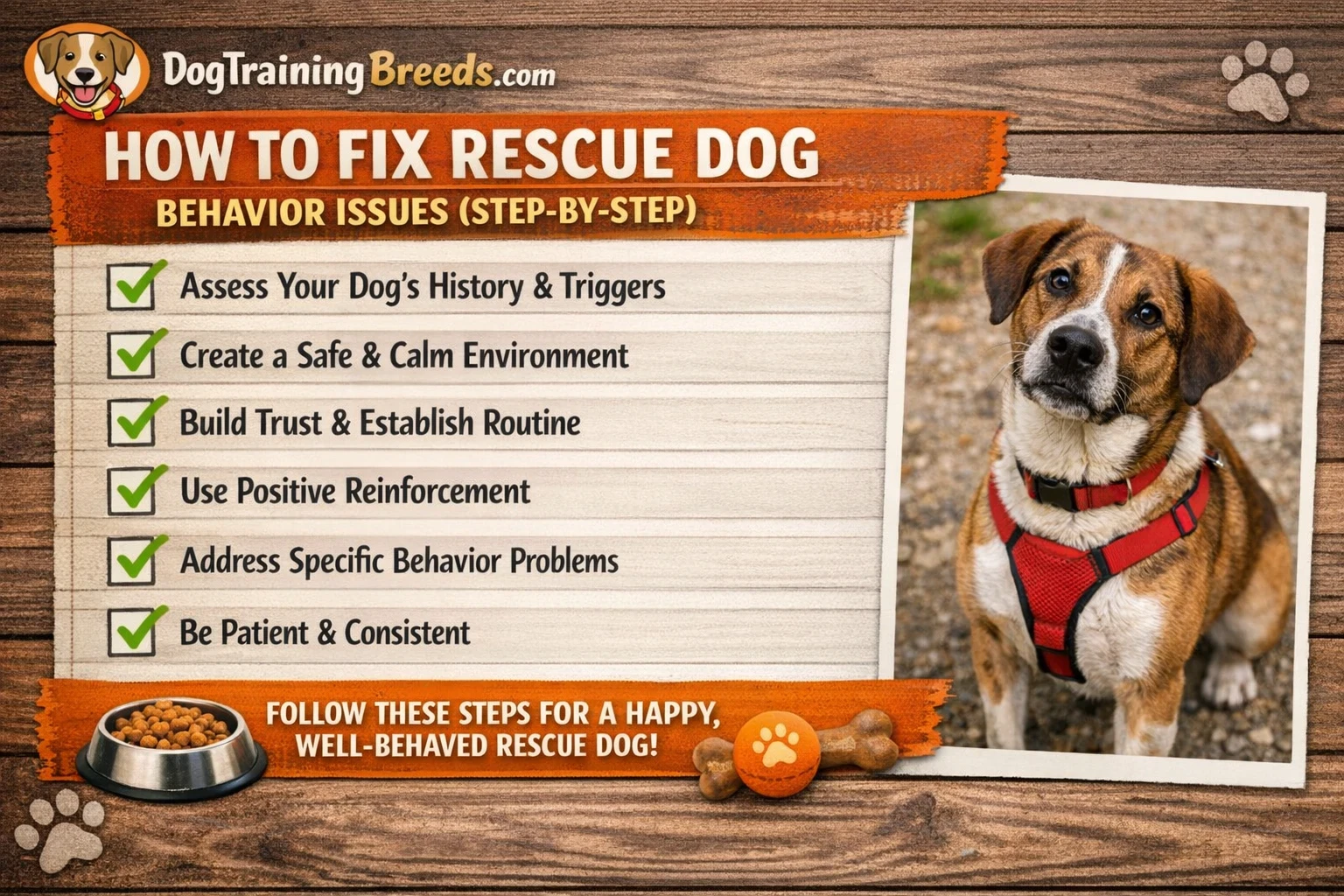
Successful behavioral modification hinges on systematic desensitization and counter-conditioning, which involve gradual exposure to triggers paired with highly valuable rewards to alter emotional responses. Caregivers must observe subtle canine body language, such as lip-licking, yawning, or averted gazes, which serve as early warning signs of stress before escalation occurs. Management of the physical environment plays an equally vital role; utilizing baby gates, secure crates, and opaque window films prevents rehearsal of unwanted behaviors while new coping mechanisms are established. Consistency in daily routines provides predictable structure, which reassures a newly adopted animal that the environment is secure and reliable.
Best Practices and Common Pitfalls in Rehabilitation
Avoiding common rehabilitation mistakes prevents setbacks and protects the evolving bond between the dog and the household members. One frequent error is rushing socialization, forcing a fearful dog into crowded parks or demanding immediate interaction with unfamiliar people and animals before the dog feels secure. Another pitfall involves flooding the animal with overwhelming stimuli, which can trigger defensive biting or catastrophic panic. Instead, caregivers should embrace the rule of thumb that slow progress is permanent progress, allowing the dog to set the pace for exploration and engagement. Utilizing clear markers and predictable rewards reinforces desired choices without generating confusion or frustration.
Up to fifty percent of relinquished dogs display observable signs of separation anxiety or generalized fearfulness that require structured, individualized behavioral intervention to resolve. — American Society for the Prevention of Cruelty to Animals
Pet Care & Wellness Overview Table
| Life Stage | Daily Activity Level | Key Nutrition / Care Focus |
|---|---|---|
| Puppy / Kitten | High (frequent short bursts) | High-protein growth diet & early socialization |
| Adult Companion | Moderate (30–60 mins daily) | Balanced maintenance nutrition & dental hygiene |
| Senior Pets | Low to Gentle (mindful walks) | Joint support (Glucosamine) & routine vet checks |
Images References





Addressing Breed, Age, and Temperament Variables
Every rescue dog possesses a unique genetic blueprint, age-related developmental stage, and individual temperament that directly influences behavioral rehabilitation outcomes. Herding breeds, for instance, may channel unspent mental energy into nipping at heels or obsessive pacing if not provided with appropriate mental stimulation and structured tasks, whereas independent guardian breeds might display heightened wariness toward strangers. Younger dogs often adapt rapidly to novel environments but require rigorous socialization to prevent future reactivity, while senior dogs may struggle with sensory declines that exacerbate confusion and fear. Recognizing these biological predispositions allows owners to tailor expectations and management strategies to align with the specific needs of the animal, fostering a harmonious living situation supported by appropriate Dog Care.
When to Consult a Veterinary Behaviorist or Professional Trainer
Severe behavior concerns, including unprovoked aggression, sudden personality shifts, intense self-injury, or paralyzing phobias, necessitate prompt professional intervention from qualified experts. Owners should immediately seek guidance from a board-certified veterinary behaviorist or a certified professional dog trainer who explicitly utilizes humane, science-based methods and holds recognized credentials. Because underlying medical conditions, pain, or neurological disorders can frequently manifest as sudden behavioral changes, a thorough veterinary examination is a mandatory first step to rule out physical ailments. Professionals can design comprehensive, medically informed behavior modification plans that ensure safety for both the human family members and the vulnerable animal undergoing rehabilitation.
Building Long-Term Resilience and Stability
Transforming a stressed rescue dog into a confident, balanced companion requires enduring dedication, profound empathy, and an unwavering commitment to positive reinforcement practices. By understanding the intricate connections between physical health, emotional well-being, and environmental management, owners can create an atmosphere where healing naturally occurs. Continuous education regarding canine communication and welfare ensures that the human-animal bond deepens with every passing milestone. For further guidance on canine wellness, explore resources dedicated to Dog Health and Dog Nutrition to support overall vitality, or visit PetsAnimalsWorld.com for comprehensive care guides.