Understanding Canine Conduct and Professional Support in Urban Environments
Living with a companion animal in a bustling metropolitan setting presents unique daily challenges that require careful navigation and expert insight. According to the American Society for Prevention of Cruelty to Animals, behavioral issues remain a primary reason dogs are relinquished to shelters, highlighting the critical need for early, humane intervention. Navigating dense public transit, crowded sidewalks, and strict local ordinances requires a deep understanding of canine psychology. When everyday environmental stressors begin to manifest as persistent fear, reactivity, or separation distress, seeking specialized guidance becomes essential for maintaining household harmony and animal welfare.
💡 Pet Care Key Takeaways:
- Core Focus: Practical health, nutrition, and wellness guidelines for Dog Behaviorist Zurich.
- Target Scope: Pet owners, animal caregivers, and veterinary support staff.
- Best Recommendation: Maintain consistent daily routines and consult an accredited veterinarian before introducing major diet or medical changes.
Defining the Role of a Professional Dog Behaviorist in Zurich
A dog behaviorist zurich specialist focuses on diagnosing and treating complex psychological and emotional issues in domestic canines using evidence-based, positive reinforcement methodologies. Unlike basic obedience trainers who teach foundational cues like sit and stay, a qualified behaviorist evaluates the root causes of distress, fear, aggression, or compulsive habits. This specialized evaluation involves analyzing environmental triggers, physiological states, and learning history to design targeted modification plans. Professionals operating in this Swiss region typically hold advanced certifications in applied animal behavior, ensuring their practices align with modern scientific standards and animal welfare regulations.
The Impact of Environmental Stressors on Domestic Canines
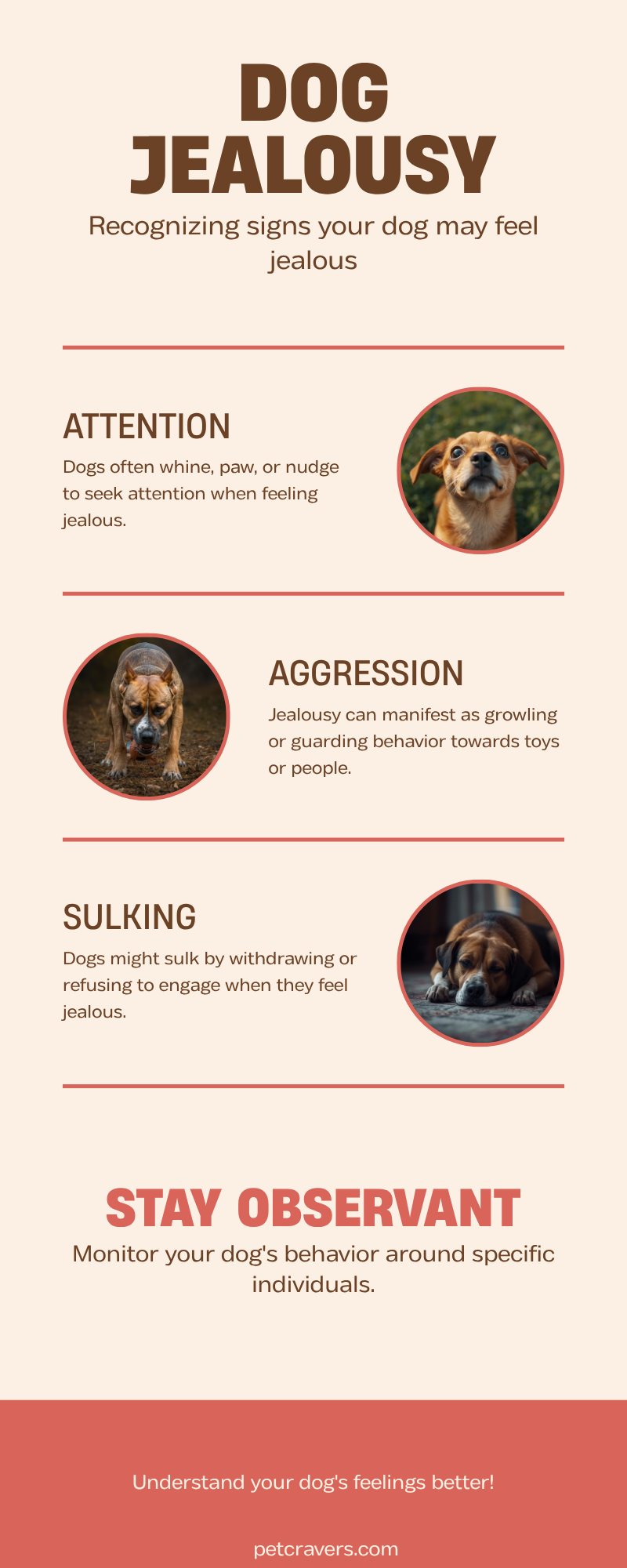
Urban living exposes companion animals to high levels of sensory stimulation, including heavy foot traffic, construction noise, and confined living spaces that can significantly elevate stress hormones. Chronic activation of the sympathetic nervous system often leads to maladaptive behaviors, defensive reactivity, or generalized anxiety if environmental triggers are left unaddressed. Behavioral specialists work systematically to alter emotional responses through systematic desensitization and counter-conditioning, gradually shifting how the animal perceives threatening stimuli. Supporting overall mental wellness requires a comprehensive approach that considers physical health, daily mental enrichment, and appropriate outlets for natural species-specific instincts.
Behavioral modifications that rely on positive reinforcement build long-term trust and effectively reduce stress-related responses in domestic dogs. — American Veterinary Medical Association
Implementing Humane Modification Strategies for Complex Challenges
Addressing persistent behavioral concerns requires structured management protocols that prevent rehearsal of unwanted actions while teaching alternative coping mechanisms. Certified professionals emphasize antecedent arrangement, which involves modifying the environment to remove stressors before a reaction occurs, thereby protecting the emotional well-being of the animal. Punishment-based or dominance-derived techniques are strictly avoided because scientific studies consistently demonstrate that intimidation increases fear and the risk of defensive aggression. Instead, focus centers on clear communication, predictable routines, and rewarding calm, confident choices during daily interactions.
Best Practices and Common Mistakes in Behavioral Modification
Consistency, patience, and realistic expectations form the foundation of successful behavior modification programs, regardless of the specific challenges being addressed. A frequent mistake among pet owners is moving too quickly through exposure exercises, which can overwhelm the animal and trigger a stress response that sets back progress. Breaking down training goals into minute, manageable steps ensures the dog remains under the threshold of emotional arousal and capable of learning. Additionally, maintaining clear communication with all household members ensures unified responses, preventing confusion for the animal and fostering a secure learning environment.
Early identification of behavioral shifts helps prevent minor anxieties from escalating into severe phobias or chronic stress disorders. — American Kennel Club
Pet Care & Wellness Overview Table
| Life Stage | Daily Activity Level | Key Nutrition / Care Focus |
|---|---|---|
| Puppy / Kitten | High (frequent short bursts) | High-protein growth diet & early socialization |
| Adult Companion | Moderate (30–60 mins daily) | Balanced maintenance nutrition & dental hygiene |
| Senior Pets | Low to Gentle (mindful walks) | Joint support (Glucosamine) & routine vet checks |
Images References







Breed, Age, and Temperament Factors in Behavioral Health
Individual genetic predispositions, developmental stages, and inherited traits heavily influence how a dog reacts to environmental stimuli and training approaches. Working or herding lineages, for example, often possess high energy levels and intense drive, requiring specific mental outlets to prevent frustration-related behaviors. Senior dogs experiencing cognitive decline may display sudden confusion, pacing, or altered sleep cycles that mimic behavioral issues but actually stem from underlying medical conditions. Tailoring support strategies to match the specific life stage, breed characteristics, and individual temperament of the animal is paramount for achieving sustainable, positive results.
When to Consult a Veterinarian or Professional Behaviorist
Persistent aggression, sudden personality shifts, severe separation anxiety, or self-injurious habits necessitate immediate professional intervention from qualified experts. Many complex behavioral symptoms are rooted in underlying medical pain, neurological disorders, or endocrinological imbalances that require thorough veterinary diagnosis before modification can succeed. For comprehensive guidance on related topics, explore resources on Dog Behavior, proper Dog Care, and professional Dog Training methods.
Closing Insights on Supporting Canine Well-Being
Fostering a balanced, confident companion animal in a modern urban environment requires dedication, ongoing education, and a commitment to humane, science-based care principles. By recognizing the subtle signs of canine stress and partnering with qualified professionals when challenges arise, owners can dramatically enhance the quality of life for their pets. To explore more helpful resources regarding animal wellness, training methodologies, and responsible ownership, visit PetsAnimalsWorld.com today and discover valuable guides tailored to every stage of a dog’s life.