

Understanding the Importance of Quality Dog Boarding in Zanesville, Ohio
Selecting a temporary living arrangement for a canine companion is a significant decision that impacts the overall well-being and stress levels of the animal. For residents seeking dog boarding in Zanesville, Ohio, the primary goal is to ensure a secure, sanitary, and enriching environment that maintains as much of the dog’s normal routine as possible. According to the American Veterinary Medical Association, ensuring that a boarding facility maintains high standards for vaccination, cleanliness, and supervision is critical for preventing the spread of infectious diseases and managing behavioral stress during a pet’s stay. When owners travel, the uncertainty of a new environment can trigger anxiety, making the choice of a facility a matter of both health and emotional stability.
💡 Pet Care Key Takeaways:
- Core Focus: Practical health, nutrition, and wellness guidelines for Dog Boarding Zanesville Ohio.
- Target Scope: Pet owners, animal caregivers, and veterinary support staff.
- Best Recommendation: Maintain consistent daily routines and consult an accredited veterinarian before introducing major diet or medical changes.
Defining Professional Dog Boarding Services
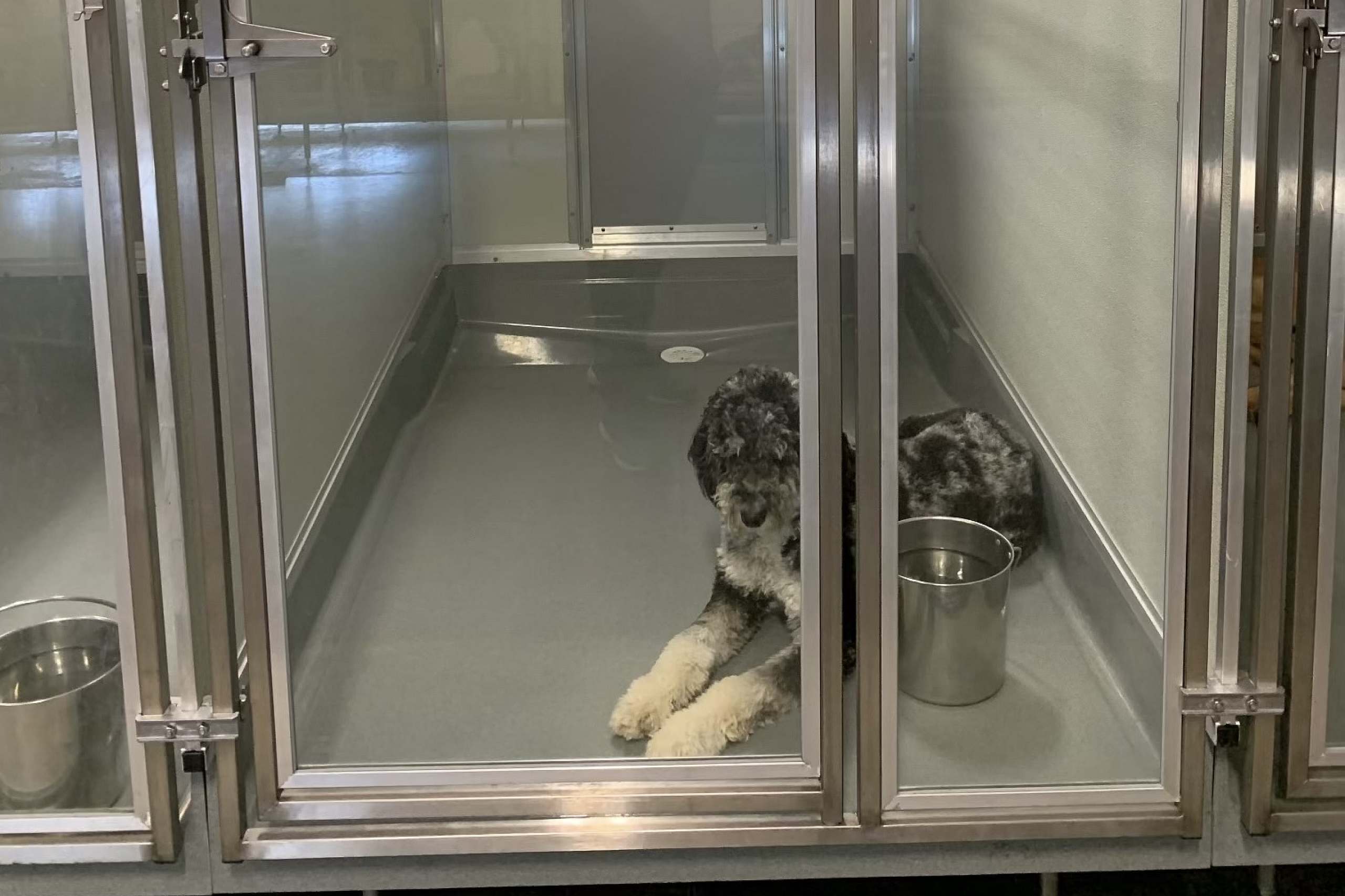
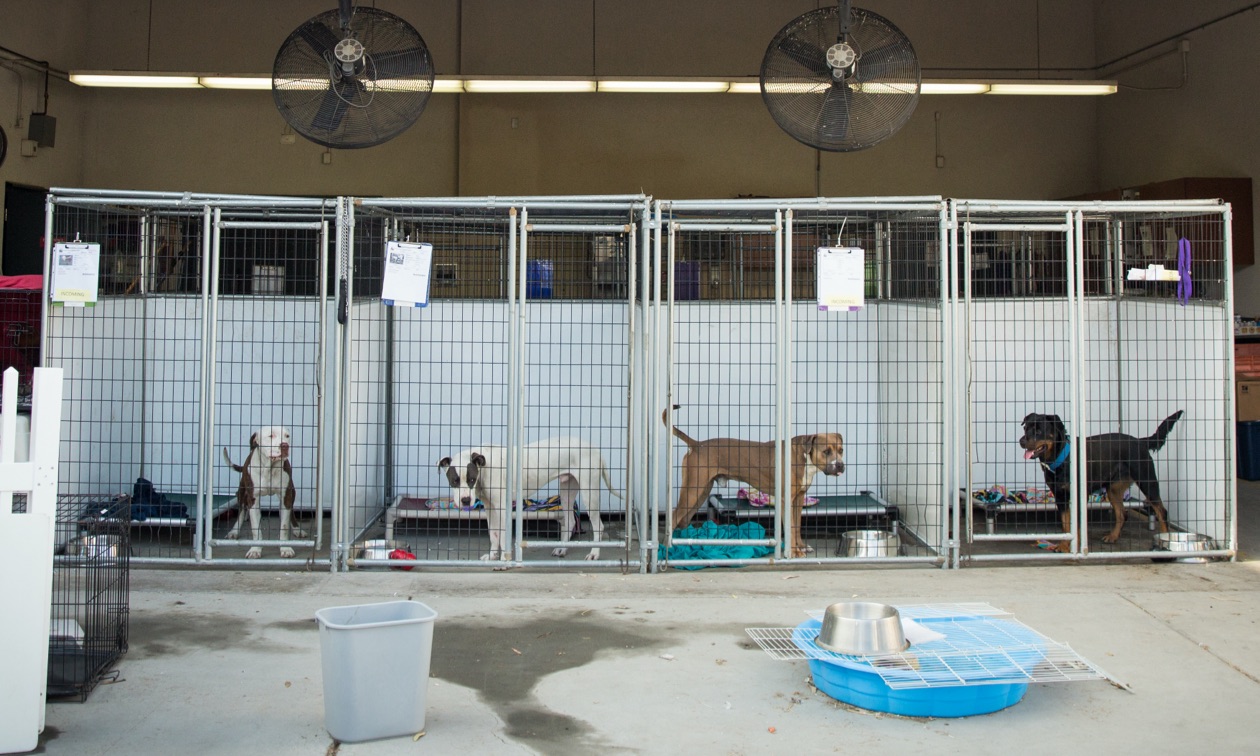
Dog boarding in Zanesville, Ohio, refers to professional pet care facilities where dogs reside for a set period while their owners are away. These facilities range from traditional kennel settings, which provide individual enclosures, to modern luxury suites and cage-free environments that emphasize social interaction. A reputable facility offers more than just a place to sleep; it provides consistent oversight, regular feeding schedules, and structured opportunities for exercise. Staff in these settings are typically trained to recognize the subtle signs of illness or distress, ensuring that any issues are addressed promptly. By prioritizing professional oversight, owners can mitigate the risks associated with inadequate supervision or improper handling of their pets in a strange environment.
The Impact of Boarding on Health and Behavior
The transition to a boarding environment can significantly influence a dog’s Dog Behavior and physiological health. Changes in diet, environment, and social structure are common stressors that may manifest as reduced appetite, gastrointestinal upset, or lethargy. Furthermore, the proximity to other dogs in a communal setting necessitates strict adherence to health protocols. Facilities that require proof of current vaccinations—including rabies, distemper, and Bordetella—are essential for maintaining a safe environment. Owners should also consider the mental stimulation provided, as a lack of engagement during a stay can lead to boredom-related behaviors, such as excessive barking or destructive chewing, which are common manifestations of a dog attempting to cope with a novel, high-arousal environment.
The American Veterinary Medical Association advises that all dogs be current on core vaccinations and parasite control before entering any boarding or daycare facility to reduce the risk of infectious disease transmission. — American Veterinary Medical Association (AVMA)
Managing the Boarding Experience for Optimal Comfort
Successful boarding starts with adequate preparation, which includes gathering necessary medical records and familiarizing the pet with the facility’s expectations. Owners should inquire about the staff-to-dog ratio, as higher ratios often correlate with better individual care and more consistent monitoring. When evaluating options for dog boarding in Zanesville, Ohio, it is helpful to ask about the daily routine: how often are the dogs let out, what is the structure of play sessions, and how does the facility handle dogs that exhibit signs of fear or withdrawal? Maintaining a consistent Dog Care routine by providing the dog’s regular food, familiar bedding, or a favorite toy can help anchor the animal in a sense of normalcy, thereby reducing the intensity of the separation experience.
Best Practices for Selecting a Facility
Selecting the right boarding facility involves more than a simple inquiry; it requires a proactive assessment of the environment. Owners should request a tour to inspect the cleanliness of the sleeping quarters, the security of the fencing, and the general demeanor of the staff. Observing how employees interact with the animals can provide insight into the facility’s culture and its approach to humane handling. A common mistake is failing to disclose behavioral history; providing the facility with accurate information regarding a dog’s reactivity, fear triggers, or dietary restrictions is essential for ensuring the safety of the animal and the staff. Always prioritize facilities that demonstrate a clear, transparent protocol for medical emergencies and have a designated veterinary contact for urgent situations.
The American Kennel Club recommends that owners perform a “trial run” by boarding their dog for a single night before a longer trip to gauge how the pet adapts to the new surroundings. — American Kennel Club (AKC)
Pet Care & Wellness Overview Table
| Life Stage | Daily Activity Level | Key Nutrition / Care Focus |
|---|---|---|
| Puppy / Kitten | High (frequent short bursts) | High-protein growth diet & early socialization |
| Adult Companion | Moderate (30–60 mins daily) | Balanced maintenance nutrition & dental hygiene |
| Senior Pets | Low to Gentle (mindful walks) | Joint support (Glucosamine) & routine vet checks |
Images References




Considerations for Breed, Age, and Temperament
Individual dog characteristics, such as breed-specific traits or age-related vulnerabilities, play a vital role in how a pet handles boarding. Senior dogs often require more frequent monitoring for mobility issues or chronic health conditions, while puppies may need more frequent feeding and specialized attention for house training. High-energy breeds may require facilities that offer robust exercise programs to manage their energy levels effectively. It is important to match the dog’s personality to the environment; a shy or reactive dog might thrive in a quieter, low-traffic boarding setting, whereas a highly social dog might enjoy a facility that incorporates group play. Understanding these nuances ensures that the chosen boarding arrangement aligns with the specific needs of the individual animal.
When to Consult Veterinary Professionals
Consultation with a veterinarian is recommended prior to boarding, especially for dogs with pre-existing medical conditions, those on long-term medication, or animals that exhibit severe anxiety. If a dog has a history of aggression or profound distress when separated from owners, a veterinary behaviorist or a certified professional trainer should be consulted to discuss strategies for managing or mitigating these concerns. In cases where a dog shows signs of persistent illness, respiratory distress, or injury following a boarding stay, immediate veterinary care is essential. Do not attempt to treat unexplained symptoms at home, as boarding environments can sometimes mask the progression of underlying health issues that require professional diagnosis and intervention.
Conclusion
Finding suitable dog boarding in Zanesville, Ohio, requires a balance of research, observation, and proactive health management. By prioritizing facilities that emphasize safety, cleanliness, and individual care, owners can ensure their companions remain comfortable while they are away. For more resources on maintaining your dog’s health and happiness, visit PetsAnimalsWorld.com. Further information on related topics can be found in our guides on Dog Health and Dog Nutrition to help provide the best possible care for your pet throughout their life.


