Understanding the Vital Role of a Dog Care Attendant in Canine Wellness
Modern pet guardianship involves balancing busy daily schedules with the comprehensive needs of domestic companions, making professional support services indispensable for many households. According to the American Society for the Prevention of Cruelty to Animals (ASPCA), structured daily routines and adequate socialization are fundamental to maintaining a dog’s long-term emotional and physical stability. When guardians must step away for work or travel, dependable facility staff bridge the gap to ensure continuity in a dog’s daily life. Professional supervision protects animals from hazards while supporting proper development through structured group environments. Exploring the daily responsibilities and operational standards of these frontline professionals helps guardians select exceptional facilities for their animals. Reliable operations prioritize safety, cleanliness, and low-stress handling methods to benefit every resident.
💡 Pet Care Key Takeaways:
- Core Focus: Practical health, nutrition, and wellness guidelines for Dog Care Attendant.
- Target Scope: Pet owners, animal caregivers, and veterinary support staff.
- Best Recommendation: Maintain consistent daily routines and consult an accredited veterinarian before introducing major diet or medical changes.
Defining the Daily Responsibilities and Scope of a Dog Care Attendant
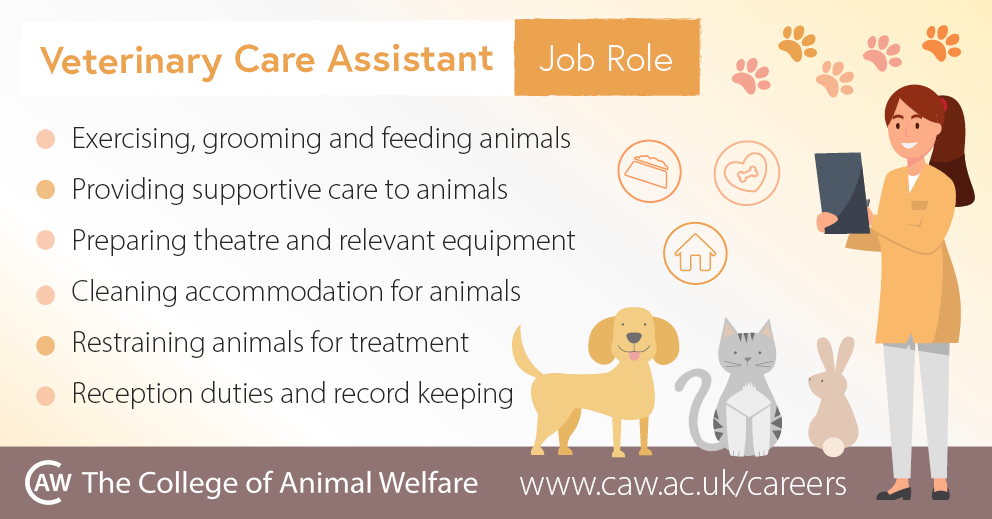
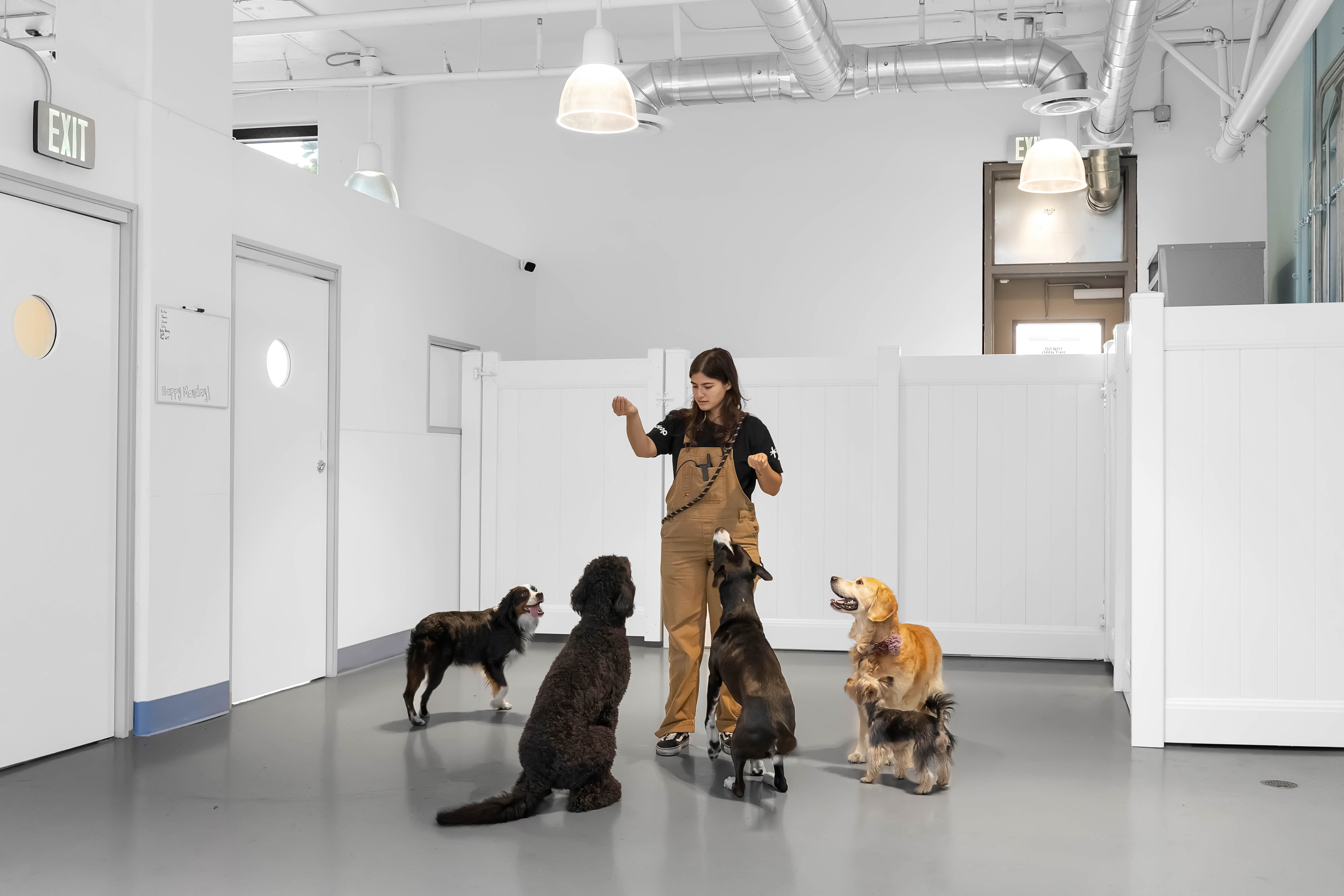
A dog care attendant is a trained professional responsible for supervising, feeding, exercising, and maintaining the daily well-being of dogs in boarding facilities, daycare centers, or shelters. Daily duties extend far beyond opening enclosure doors and dispensing kibble; workers continuously monitor group dynamics, body language, and environmental hygiene. Attendants frequently manage feeding schedules, administer prescribed medications under proper protocols, and maintain meticulous facility cleanliness to prevent disease transmission. Observation skills remain paramount, as staff must quickly identify subtle signs of illness, stress, or injury in any animal under supervision. Through proactive management, these individuals foster secure, predictable environments where dogs can rest comfortably and play safely.
Environmental Enrichment and Behavioral Safety in Professional Settings
Maintaining psychological and physical health in group settings requires structured schedules, appropriate grouping, and continuous monitoring of canine body language. Staff trained in Dog Behavior can identify early warning signs of over-arousal, such as hard staring, stiffening postures, or excessive vocalization, before conflicts escalate. Environmental enrichment—including puzzle feeders, scent games, and rotation through secure play yards—prevents boredom and reduces stress-induced behaviors. Facilities must also adhere to strict sanitation protocols using pet-safe disinfectants to control pathogens like canine cough and parvovirus. By combining behavioral awareness with rigorous hygiene, attendants safeguard the collective health of all visiting animals.
Proper facility socialization and careful group management significantly reduce stress-related behavioral problems in dogs. — American Kennel Club (AKC)
Best Practices for Facility Selection and Canine Care Standards
Choosing a high-quality boarding or daycare facility requires evaluating staff credentials, cleaner safety records, and transparent operational policies. Responsible operators conduct thorough temperament evaluations before permitting any animal into open-play group environments. Prospective clients should tour facilities to inspect sleeping quarters, outdoor surfacing materials, and ventilation systems designed to reduce airborne pathogens. A low staff-to-dog ratio ensures that attendants can actively monitor interactions and intervene immediately if play becomes overly rough or stressful.
Key Practices and Common Oversights in Professional Dog Supervision
Maintaining optimal standards in professional canine care involves adhering to proven management protocols while actively avoiding common operational mistakes. Staff must never leave play groups unsupervised, even for brief moments, because high-energy interactions can shift unpredictably. Another critical practice involves separating dogs by size, play style, and temperament to prevent accidental injuries from mismatched physical capabilities. Facilities should also implement mandatory rest periods throughout the day to prevent physical exhaustion and behavioral meltdowns in over-stimulated animals. Guarding against resource guarding by monitoring feeding and toy-sharing areas keeps every dog secure and relaxed.
Routine cleaning protocols using appropriate virucidal agents are essential for preventing infectious disease outbreaks in multi-dog facilities. — American Veterinary Medical Association (AVMA)
Pet Care & Wellness Overview Table
| Life Stage | Daily Activity Level | Key Nutrition / Care Focus |
|---|---|---|
| Puppy / Kitten | High (frequent short bursts) | High-protein growth diet & early socialization |
| Adult Companion | Moderate (30–60 mins daily) | Balanced maintenance nutrition & dental hygiene |
| Senior Pets | Low to Gentle (mindful walks) | Joint support (Glucosamine) & routine vet checks |
Images References



Accommodating Age, Breed, and Individual Temperament Considerations
Individual dogs possess unique physical and psychological requirements that professional staff must respect to ensure a positive experience. Exploring resources focused on Dog Breeds helps attendants understand breed-specific traits, such as herding instincts or brachycephalic respiratory limitations, that influence exercise tolerance. Senior dogs require gentler handling, orthopedic support, and modified exercise routines that protect aging joints from high-impact trauma. Conversely, adolescent working-breed dogs demand substantial mental and physical engagement to channel their boundless energy constructively. Recognizing these distinct profiles allows attendants to tailor their supervision strategies for every individual stage of life.
When to Consult Veterinary Professionals and Behavior Specialists
Immediate veterinary intervention is required if an attendant observes signs of severe illness, such as persistent vomiting, respiratory distress, acute lameness, or profound lethargy. Consulting qualified resources in Dog Health and Dog Training ensures that staff respond appropriately to developing medical or behavioral concerns. For chronic reactivity, severe fearfulness, or generalized anxiety observed in a facility setting, professional guidance from a certified veterinary behaviorist should be recommended to the guardian. Clear communication between facility staff and veterinary teams protects individual animals and upholds high standards of animal welfare.
Collaborating with Professional Services for Long-Term Pet Success
PetsAnimalsWorld.com provides extensive resources covering Dog Care, nutritional guidelines, and behavioral insights to support dedicated pet owners. Partnering with knowledgeable care attendants ensures that a dog’s physical exercise, social needs, and safety requirements are met consistently outside the home environment. When guardians combine diligent home management with professional daycare and boarding support, dogs enjoy balanced, enriching lives marked by confidence and security. Read now to discover more expert guidance on optimizing daily routines and selecting exceptional professional services for canine companions.