Decoding the Sudden Surge: Understanding Canine Explosiveness on Leash
According to the American Society for the Prevention of Cruelty to Animals (ASPCA), behavioral issues are among the primary reasons dogs are surrendered to shelters, with leash reactivity and sudden outbursts ranking near the top of daily behavioral concerns. Walking a companion should be a peaceful, bonding ritual enjoyed by both ends of the leash. However, when an animal suddenly hurls their entire body forward with startling force, the entire dynamic changes from relaxing to stressful. Handlers frequently experience a rush of adrenaline, wondering what triggered such a dramatic shift in demeanor. Recognizing the root causes behind these physical outbursts transforms a moment of pure panic into an opportunity for constructive intervention and deeper understanding. Far from being an act of pure disobedience, this kinetic display communicates an internal state that requires careful, compassionate interpretation. Explore more in our Pets collection.
💡 Pet Care Key Takeaways:
- Core Focus: Practical health, nutrition, and wellness guidelines for Dog Lunging Meaning.
- Target Scope: Pet owners, animal caregivers, and veterinary support staff.
- Best Recommendation: Maintain consistent daily routines and consult an accredited veterinarian before introducing major diet or medical changes.
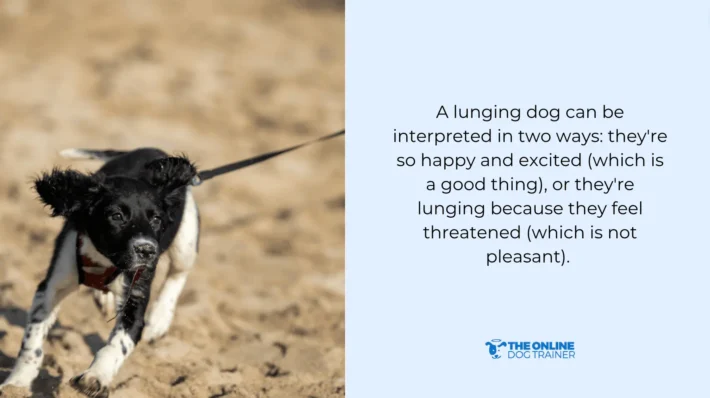
Dog lunging meaning reveals a physical manifestation of an underlying emotional state, fear, frustration, or intense excitement.
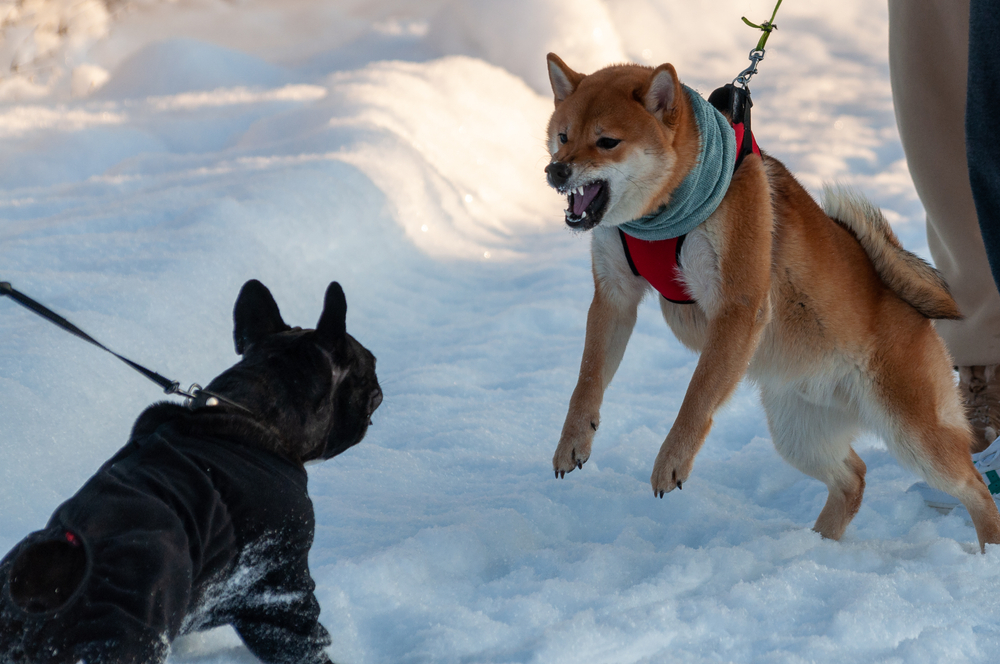
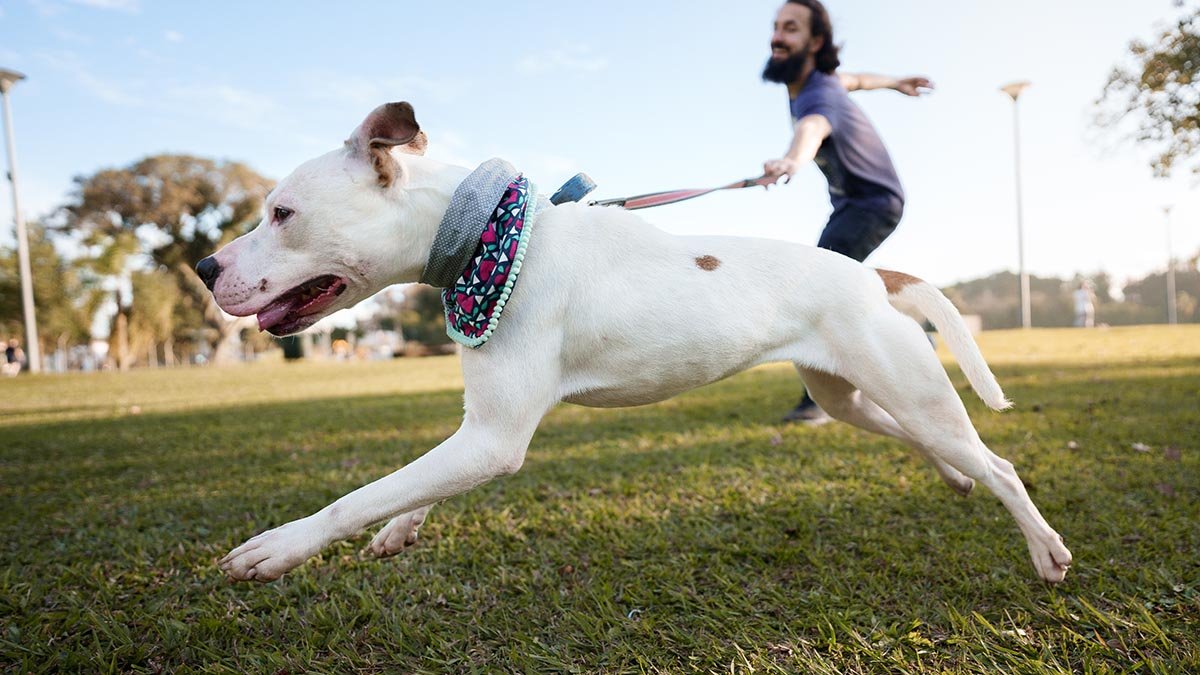
When breaking down the true dog lunging meaning, certified professional behaviorists generally view the motion as a manifestation of the “fight, flight, or freeze” response, often complicated by leash restraint. A dog might hurl themselves forward because they perceive an approaching trigger—such as another animal, a stranger, or a rolling bicycle—as a direct threat requiring defensive distance-increasing behavior. Conversely, the root cause might stem from barrier frustration, where an overly enthusiastic pet desperately wants to greet every passing entity but feels restricted by the tether, leading to redirected excitement that mimics aggression. In clinical practice, watching a canine freeze, harden their posture, and then violently propel themselves forward provides a clear window into an autonomic nervous system working on overdrive. Identifying whether the motivation stems from genuine panic or unbridled enthusiasm dictates the entire path forward for modifying the habit. For more related activities, check out our What Are Panda Pugs Mixed With.
Unmanaged reactive behaviors can profoundly impact a canine’s physical well-being, long-term stress levels, and household safety.
Repeatedly slamming against a collar places immense, concentrated pressure on the delicate structures of the neck, including the thyroid gland, trachea, and cervical vertebrae. Beyond the immediate orthopedic strain, chronic overarousal floods the body with stress hormones like cortisol and adrenaline, which can take hours or even days to fully dissipate from the bloodstream. Handlers also face physical risks, ranging from sudden shoulder dislocations and friction burns to unexpected falls on slick pavement. Furthermore, strained walks gradually shrink the animal’s world, as owners begin avoiding public parks and neighborhood outings entirely in favor of isolation. Addressing the underlying triggers early prevents these isolated incidents from hardening into deeply ingrained habits that dictate every outdoor excursion.
Chronic leash reactivity and unaddressed defensive lunging significantly elevate baseline cortisol levels, negatively impacting long-term immune and behavioral health. — American Kennel Club (AKC)
Systematic desensitization and positive reinforcement offer the most effective pathways to modify reactive leash displays.
Resolving these intense outbursts requires shifting the focus away from punishment and toward emotional regulation through counter-conditioning. Counter-conditioning involves changing the animal’s emotional response to a trigger by pairing the sight of the stimulus with high-value rewards, effectively teaching them that the scary or exciting object predicts something wonderful. Handlers must operate well below the pet’s threshold—the exact distance at which the animal first notices a trigger without reacting—gradually closing the gap over weeks or months of consistent practice. Utilizing a comfortable, front-clip harness helps manage the physical force of sudden movements safely without inflicting pain or creating negative associations with the handler.
Strategic management principles prevent rehearsal of reactive habits and protect everyone involved during outdoor excursions.
Avoiding high-stress environments while training is essential, because every successful lunge reinforces the neural pathway and makes the behavior more resistant to change. Handlers should cultivate acute situational awareness, scanning the environment continuously to spot potential triggers before the dog notices them. When a surprise encounter is unavoidable, utilizing emergency turns or scattering high-value treats on the ground encourages natural sniffing, which physiologically lowers heart rate and breaks the fixation. It remains vital to avoid punitive corrections like jerking the leash or using shock collars, as these methods only layer fear and pain on top of existing anxiety, frequently escalating the intensity of future outbursts.
Utilizing positive reinforcement training methods produces faster, more enduring behavioral modifications in reactive canines compared to aversive techniques. — American Veterinary Medical Association (AVMA)
Pet Care & Wellness Overview Table
| Life Stage | Daily Activity Level | Key Nutrition / Care Focus |
|---|---|---|
| Puppy / Kitten | High (frequent short bursts) | High-protein growth diet & early socialization |
| Adult Companion | Moderate (30–60 mins daily) | Balanced maintenance nutrition & dental hygiene |
| Senior Pets | Low to Gentle (mindful walks) | Joint support (Glucosamine) & routine vet checks |
Images References


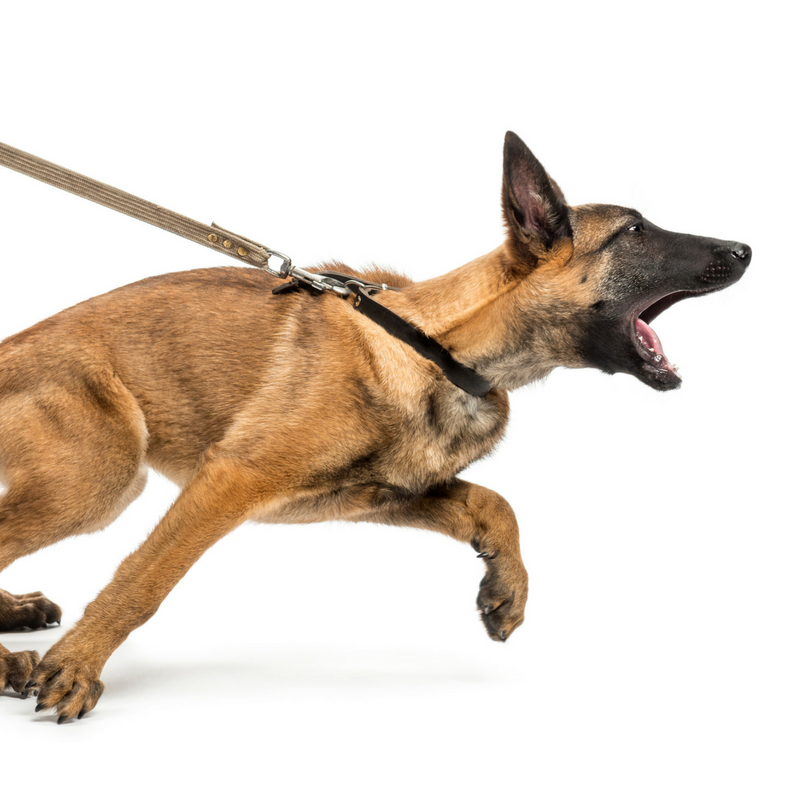
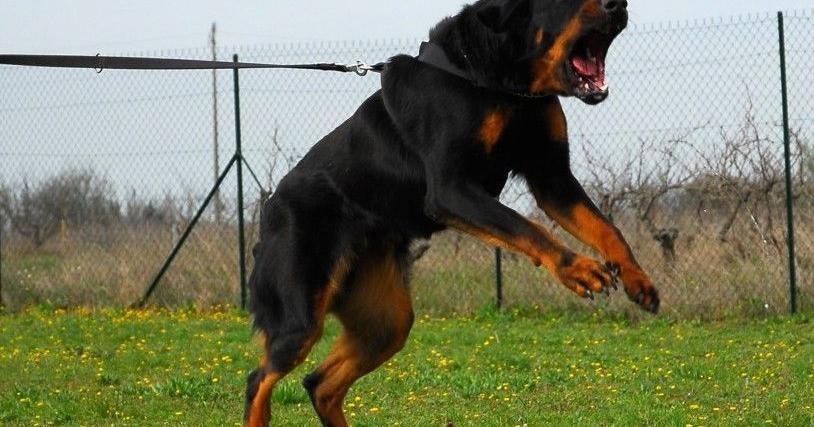
Specific breeds, developmental stages, and individual temperaments heavily influence the likelihood of reactive displays.
Working and herding groups, originally bred for intense focus and environmental sensitivity, often exhibit heightened reactivity if their mental and physical enrichment needs are unmet. Adolescence—typically spanning from six to eighteen months of age—marks a critical developmental window where hormonal shifts and second-fear periods frequently trigger sudden reactivity in previously confident animals. Additionally, rescue animals with unknown backgrounds or inadequate early socialization may view novel sights and sounds through a lens of extreme caution. Tailoring management strategies to match the specific genetic predispositions and life stage of the individual ensures expectations remain realistic and supportive.
Professional guidance from a veterinary behaviorist or certified trainer becomes essential when safety is compromised or progress stalls.
Enlisting the expertise of a qualified professional is strongly recommended if the outbursts escalate into redirected aggression toward family members or if the intensity poses a genuine physical threat to the handler. Veterinary behaviorists hold specialized medical credentials allowing them to evaluate whether underlying medical pain, neurological conditions, or clinical anxiety disorders are fueling the reactivity. In some cases, temporary pharmacological support prescribed by a veterinarian can lower baseline anxiety enough to make behavioral modification achievable. Seeking professional insight early safeguards the human-animal bond and ensures a safe, scientifically sound journey toward peaceful strolls.
Empowering balanced routines and harmonious outdoor adventures requires ongoing education and dedicated support.
Decoding the signals behind sudden leash reactivity transforms frustrating walks into opportunities for profound communication and trust-building. By prioritizing emotional regulation, structured management, and compassionate handling, families can open up a wider, more enjoyable world for their animal companions. Explore further resources on Dog Behavior, expand your understanding of Dog Training fundamentals, or browse general Dog Care tips to ensure every outing remains safe and enriching. Visit PetsAnimalsWorld.com today to continue learning how to cultivate a deeply rewarding life alongside your cherished animal companions.