

Introduction
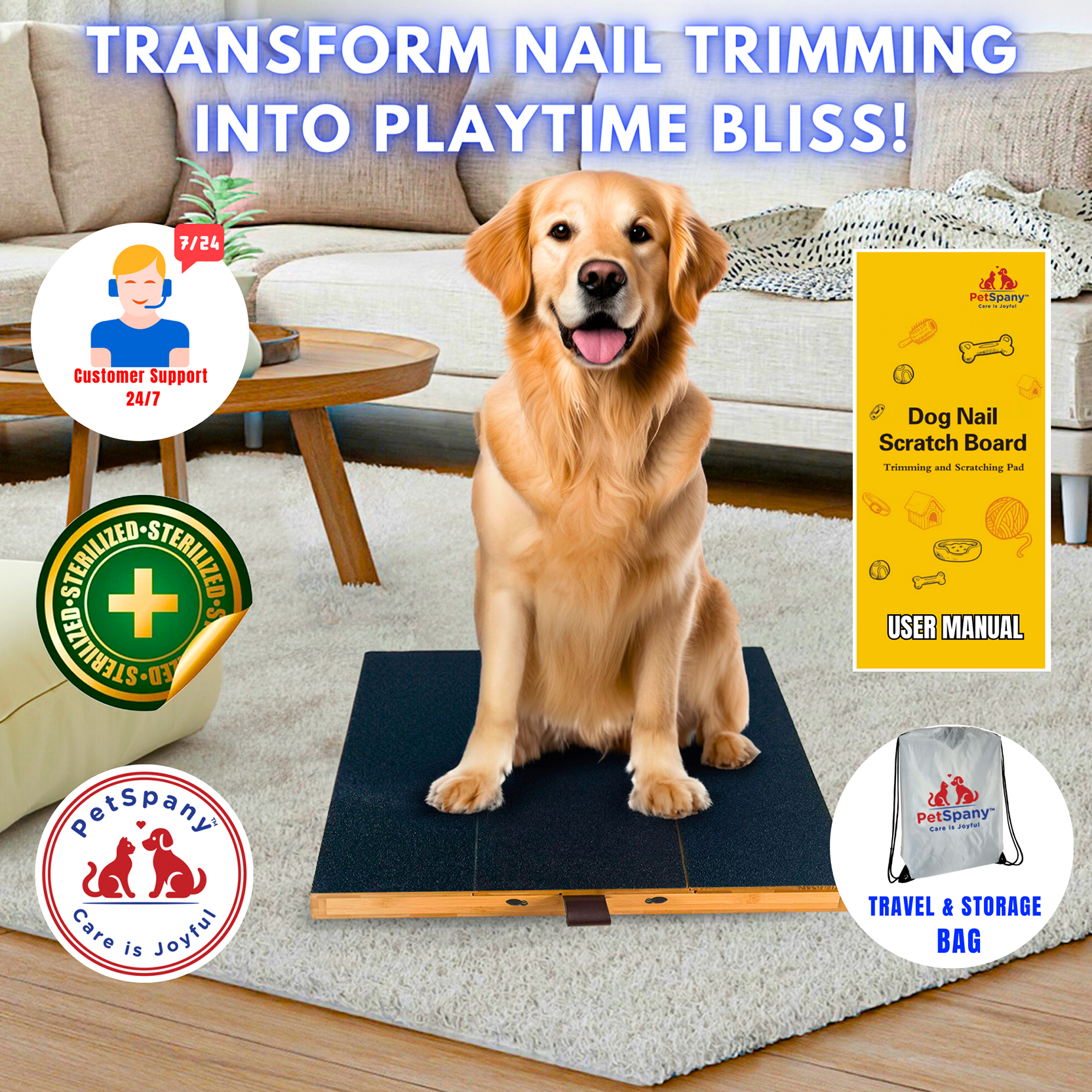
Proper paw care is a cornerstone of a dog’s overall health and well-being, and central to this is regular nail maintenance. For many dog owners, traditional nail clippers can be a source of stress and anxiety for both the pet and the person. This often leads to a search for gentler alternatives, and the “dog nail board” emerges as an excellent solution. A dog nail board is essentially a sturdy surface, typically made of wood or plastic, covered with an abrasive material like sandpaper or emery cloth, designed to allow dogs to file their own nails down. Understanding the function and benefits of a dog nail board can transform nail care from a dreaded chore into a positive, enriching experience, contributing significantly to a dogs comfort, mobility, and overall quality of life by preventing overgrown nails and associated discomfort.
💡 Pet Care Key Takeaways:
- Core Focus: Practical health, nutrition, and wellness guidelines for Dog Nail Board.
- Target Scope: Pet owners, animal caregivers, and veterinary support staff.
- Best Recommendation: Maintain consistent daily routines and consult an accredited veterinarian before introducing major diet or medical changes.
Common Causes and Key Factors
The adoption of a dog nail board typically stems from several common challenges associated with traditional nail trimming methods. A primary factor is often a dog’s fear or apprehension towards nail clippers. The sound, sensation, or a past negative experience can create significant anxiety, making the clipping process stressful or even impossible without professional intervention. For more related activities, check out our Doggy Day Care Upper West Side.
Another crucial element is the owner’s fear of “quicking” cutting too far back on the nail and hitting the quick, a sensitive area containing blood vessels and nerves. This can cause pain and bleeding, reinforcing a dogs aversion to future trims and causing distress for the owner. Dark-colored nails, which obscure the quick, exacerbate this concern.
Certain dog breeds may possess particularly thick, strong, or unusually shaped nails that are difficult to manage with standard clippers. Furthermore, some dogs simply exhibit a natural sensitivity to having their paws handled, making any form of direct trimming challenging. The desire to incorporate positive reinforcement training into grooming routines also drives interest in the dog nail board, as it allows for a more cooperative and less confrontational approach to nail care.
Signs and Symptoms to Observe
Several observable signs indicate that traditional nail trimming methods may not be suitable or that a dogs nails are becoming problematic, pointing towards the potential utility of a dog nail board. A significant indicator is a dog’s pronounced resistance or fear during nail trimming attempts. This can manifest as pulling away, hiding, growling, nipping, or showing generalized signs of anxiety such as panting, shaking, or lip-licking when clippers are brought out. Such behaviors suggest a negative association with the process that a dog nail board can help circumvent.
Physical signs of overgrown nails also highlight the need for effective nail management. A clicking sound when a dog walks on hard surfaces is a common signal that nails are too long. Overgrown nails can cause toes to splay, putting pressure on paw pads and leading to discomfort, changes in gait, or even lameness. In severe cases, nails may curl under and grow into the paw pad, causing painful infections. Excessive licking or chewing of paws, particularly after attempted nail trims or during periods of prolonged nail overgrowth, can also indicate discomfort or irritation. Recognizing these signs is crucial for considering alternative grooming tools like a dog nail board to improve a dog’s comfort and mobility.
Practical Solutions and Management Strategies
Implementing a dog nail board effectively requires patience, positive reinforcement, and a structured approach. The process begins with careful introduction to foster a positive association. Place the dog nail board on the floor in a relaxed environment and allow the dog to explore it at their own pace. Reward any calm interaction with treats and praise, even if it is just a sniff.
Gradual training is key. Begin by encouraging the dog to touch the board with a paw, rewarding each successful interaction. A useful technique involves teaching a “scratch” command, where the dog learns to intentionally scrape a paw on the board. This can be achieved through shaping, starting by rewarding slight contact and progressively requiring more active scratching. Holding a treat just above the board can entice the dog to naturally scrape their paw as they reach for the reward.
Keep training sessions short and frequent, lasting only a few minutes, to prevent boredom or frustration. Focus initially on the front paws, as these are often easier for a dog to learn to use on the board. Ensure the dog nail board is stable during use to prevent accidental movement that could startle the dog. As the dog gains confidence, increase the duration and intensity of the scratching. Regular use of the dog nail board, perhaps a few times a week, helps maintain appropriate nail length and builds a positive routine around paw care.
When Professional Help May Be Needed
While a dog nail board offers a wonderful solution for many dogs, there are specific situations where professional intervention becomes necessary or highly beneficial. If a dog exhibits severe anxiety, aggression, or an intense phobia related to paw handling or grooming, a certified professional dog trainer or a veterinary behaviorist can provide expert guidance. These professionals can develop tailored desensitization and counter-conditioning protocols to help address underlying behavioral issues safely and effectively.
In cases where nails are severely overgrown, causing pain, splaying of toes, or potentially growing into the paw pads, veterinary attention is crucial. A veterinarian can safely trim these problematic nails, often under sedation if necessary, and address any associated infections or injuries. They can also rule out any underlying medical conditions, such as arthritis or nerve damage, which might be contributing to a dog’s reluctance to have its paws handled. If consistent attempts to train a dog to use the nail board are not yielding desired results, or if owners are struggling with the technique, a professional groomer or a dog trainer experienced with cooperative care can offer practical demonstrations and personalized coaching. Their expertise can ensure that the dog nail board is used effectively and safely.
Conclusion
The dog nail board stands as an innovative and humane tool, offering a positive alternative to traditional nail trimming methods. Its benefits extend beyond mere nail maintenance, contributing significantly to a dogs comfort, confidence, and overall well-being. By embracing a dog nail board, owners can transform a potentially stressful grooming task into an engaging and rewarding interaction, fostering a stronger bond with their canine companions.
Awareness of a dog’s individual sensitivities, consistent observation of paw health, and a commitment to positive reinforcement are paramount. The journey with a dog nail board requires patience and understanding, but the rewardshealthier paws, reduced anxiety during grooming, and a more harmonious relationshipare immeasurable. Ensuring regular and gentle nail care is a fundamental responsibility of pet ownership, and the dog nail board provides an accessible path to achieving this vital aspect of canine health.
Pet Care & Wellness Overview Table
| Life Stage | Daily Activity Level | Key Nutrition / Care Focus |
|---|---|---|
| Puppy / Kitten | High (frequent short bursts) | High-protein growth diet & early socialization |
| Adult Companion | Moderate (30–60 mins daily) | Balanced maintenance nutrition & dental hygiene |
| Senior Pets | Low to Gentle (mindful walks) | Joint support (Glucosamine) & routine vet checks |
Images References




For more expert pet care tips and advice, check out our dedicated Dog Care guides to keep your companions healthy and happy.


