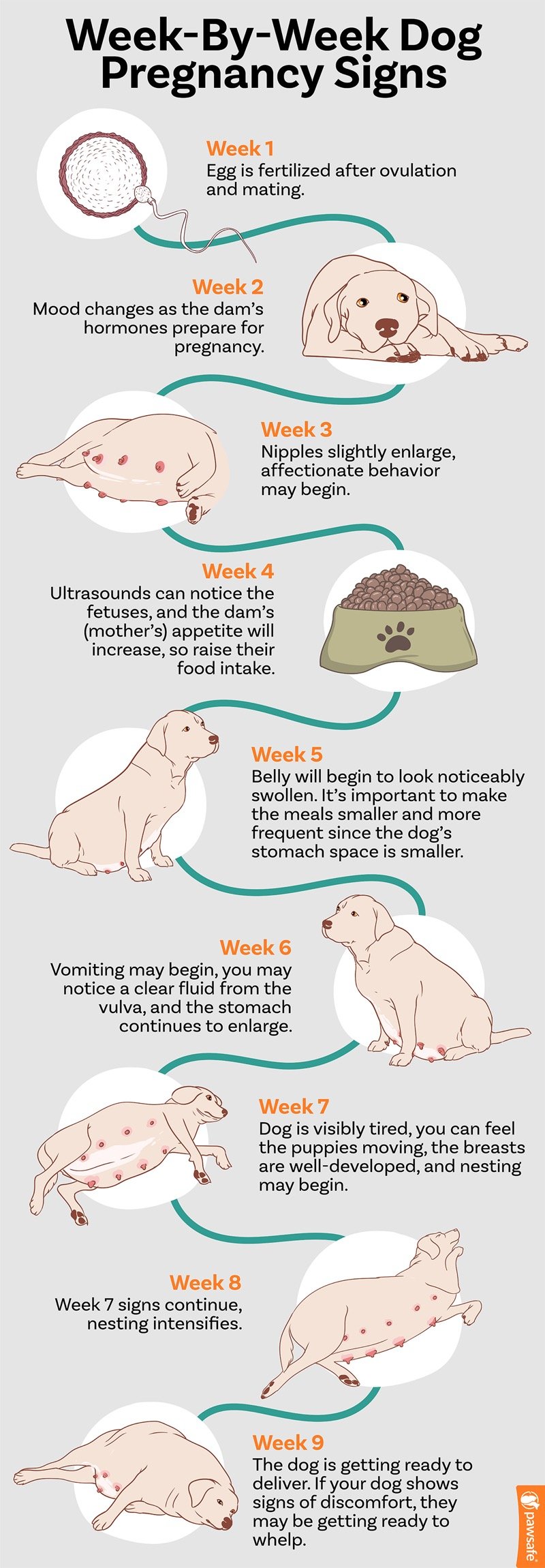
According to the American Veterinary Medical Association, millions of households share their living spaces with dogs, creating deep bonds that often feel familial long before human children enter the picture. Bringing a new baby into a home changes the domestic rhythm completely, and dogs frequently sense these shifts in family dynamics well before any nursery is assembled. During this delicate life stage, maintaining both maternal wellness and canine harmony becomes a primary focus for many expectant households. Pregnant individuals often experience heightened skin sensitivity, making minor physical interactions feel vastly different than they did in the past. Understanding how to manage daily routines safely helps ensure a peaceful home environment for every resident, both two-legged and four-legged.
💡 Pet Care Key Takeaways:
- Core Focus: Practical health, nutrition, and wellness guidelines for Dog Scratch While Pregnant.
- Target Scope: Pet owners, animal caregivers, and veterinary support staff.
- Best Recommendation: Maintain consistent daily routines and consult an accredited veterinarian before introducing major diet or medical changes.
A dog scratch while pregnant refers to any accidental abrasion or break in the skin caused by canine claws during the gestational period.
Most domestic animals do not understand human pregnancy, which means they continue their usual jumping, leaning, or pawing habits without realizing physical changes are occurring. These accidental surface wounds usually happen during affectionate greetings, sudden startles, or playful bounds across a lap. While a minor nick from a nail might typically seem trivial under normal circumstances, pregnancy introduces unique physiological considerations regarding immune response and wound healing. Skin stretching and hormonal fluctuations can also alter how minor injuries heal, drawing extra attention to routine grooming and nail maintenance. Recognizing the mechanical causes behind these accidental breaks in the skin allows households to adjust their physical interactions proactively.
Routine nail trims and filing significantly reduce the physical risk of accidental abrasions during daily interactions. — American Kennel Club
Preventing infection and managing maternal skin health require prompt attention following any break in the dermal barrier.
When a skin injury occurs, the primary medical concern involves localized bacterial contamination, particularly from organisms like *Staphylococcus* or *Streptococcus*, which are bacteria commonly found on canine skin and paws. Furthermore, animal claws can occasionally harbor environmental pathogens that require careful washing with mild soap and clean water immediately after exposure. Pregnant individuals should monitor any localized redness, swelling, or warmth around the affected area, as these signs can indicate a developing secondary infection requiring medical evaluation. Consulting an obstetrician regarding any animal-related injury ensures that proper antiseptic protocols are followed without relying on unverified remedies. Establishing clear boundaries regarding jumping and paw placement also supports safe Dog Care routines throughout all trimesters.
Proactive environmental management and positive reinforcement techniques minimize the likelihood of accidental contact injuries.
Modifying canine habits before the arrival of an infant requires patience, consistency, and a focus on rewarding calm, all-four-on-the-ground behavior. Instead of reacting with frustration when an animal jumps up, turning away and ignoring the behavior removes the social reward the animal seeks. Regular nail trimming or using specialized abrasive scratch boards allows animals to file down their own claws naturally through supervised play. Incorporating structured obedience sessions supports overall Dog Training goals while keeping physical exuberance manageable. Experienced handlers often observe that teaching a reliable “off” cue transforms frantic greeting rituals into calm, predictable exchanges.
Avoiding common behavioral missteps ensures that household boundaries remain clear and stress-free for everyone involved.
Punishing an animal for clumsy or overly enthusiastic behavior frequently creates confusion and anxiety rather than lasting behavioral improvement. Physical reprimands or harsh vocal corrections can damage the trust built between the animal and the household, potentially leading to defensive reactions. Instead, redirecting the animal’s physical energy toward an acceptable toy or a stationary mat provides a constructive outlet for excitement. Maintaining predictable daily schedules also minimizes the frantic energy that often leads to accidental scratching during enthusiastic greetings. Consistency across all household members prevents mixed messages and accelerates the adoption of polite manners.
Clear behavioral redirection combined with positive reinforcement yields higher long-term compliance than aversive corrections. — Association of Professional Dog Trainers
Pet Care & Wellness Overview Table
| Life Stage | Daily Activity Level | Key Nutrition / Care Focus |
|---|---|---|
| Puppy / Kitten | High (frequent short bursts) | High-protein growth diet & early socialization |
| Adult Companion | Moderate (30–60 mins daily) | Balanced maintenance nutrition & dental hygiene |
| Senior Pets | Low to Gentle (mindful walks) | Joint support (Glucosamine) & routine vet checks |
Images References




Individual breed traits, age, and size heavily influence how physical exuberance manifests in the home environment.
Larger working breeds or heavy-set companions may inadvertently cause more substantial skin abrasions simply due to their sheer mass and the thickness of their nails. Conversely, smaller breeds often possess finer, needle-like claws that can pierce the skin easily despite the animal’s diminutive size. Senior animals might experience joint stiffness that causes them to lean heavily on human companions for balance, inadvertently resulting in scratches. Evaluating specific Dog Breeds and individual temperaments helps expectant parents anticipate physical challenges long before the nursery door opens. Tailoring management strategies to match the specific physical profile of the resident animal ensures maximum safety.
Professional veterinary and medical guidance becomes essential whenever an injury shows signs of complications or behavioral issues escalate.
Any scratch that displays spreading redness, persistent drainage, or fails to heal within a reasonable timeframe warrants prompt consultation with a healthcare provider. Similarly, if an animal exhibits sudden behavioral changes, extreme anxiety, or unpredictable jumping that threatens household safety, consulting a certified behaviorist is strongly recommended. Professional guidance ensures that medical concerns are addressed safely while behavioral adjustments follow modern, humane methodologies. Comprehensive resources regarding Dog Health and behavioral wellness offer additional insights for growing families navigating these transitions.
Fostering a safe, harmonious household environment requires ongoing attention to both canine wellness and human safety.
Balancing the needs of an expectant household with the physical realities of pet ownership lays a solid foundation for the future family dynamic. Through mindful management, proper nail maintenance, and positive behavioral reinforcement, households can enjoy the companionship of their animal family members with confidence. Exploring further resources on Dog Behavior helps deepen mutual understanding between humans and their canine counterparts. Visit PetsAnimalsWorld.com to discover more expert guides dedicated to fostering healthy, happy relationships across your entire household.