

Introduction
Maintaining a dog’s oral health is a crucial aspect of responsible pet ownership, directly impacting their overall well-being and longevity. One significant challenge many dog owners encounter is the accumulation of tartar, a hardened form of dental plaque that adheres to the teeth. Understanding effective methods for dog tartar removal at home is essential for preventing more severe dental issues. This process involves a combination of preventive measures and diligent care aimed at mitigating plaque and tartar buildup. Unchecked tartar can lead to various health complications, including gum disease, bad breath, pain, and potentially systemic infections, which can significantly diminish a dog’s quality of life. By integrating proactive dental hygiene into a dog’s routine, guardians can contribute significantly to their companion’s comfort and long-term health.
💡 Pet Care Key Takeaways:
- Core Focus: Practical health, nutrition, and wellness guidelines for Dog Tartar Removal At Home.
- Target Scope: Pet owners, animal caregivers, and veterinary support staff.
- Best Recommendation: Maintain consistent daily routines and consult an accredited veterinarian before introducing major diet or medical changes.
Common Causes and Key Factors
Tartar formation in dogs is a multi-faceted issue influenced by several interconnected factors. Primarily, it begins with the accumulation of plaque, a sticky film of bacteria, food particles, and saliva that constantly forms on the tooth surface. If plaque is not regularly removed, minerals in the dog’s saliva, particularly calcium, cause it to harden into tartar within a matter of days. For more related activities, check out our Doggy Day Care Yeovil.
Diet plays a significant role; dogs consuming primarily soft, wet foods may be more prone to tartar buildup as these diets offer less abrasive action to naturally clean teeth. Conversely, certain dental kibbles are specifically designed to physically scrub the tooth surface as a dog chews. Genetic predispositions also contribute, with smaller breeds often experiencing more crowded teeth, which create ideal environments for plaque and tartar accumulation dueating to increased surface area and difficult-to-reach crevices.
Age is another key factor, as older dogs typically have had more time for tartar to develop and solidify. Furthermore, individual variations in saliva chemistry can affect a dogs susceptibility; some dogs naturally produce saliva that promotes faster mineralization of plaque into tartar. Without a consistent oral hygiene routine, these factors combine to create an environment where tartar can thrive, setting the stage for dental disease.
Signs and Symptoms to Observe
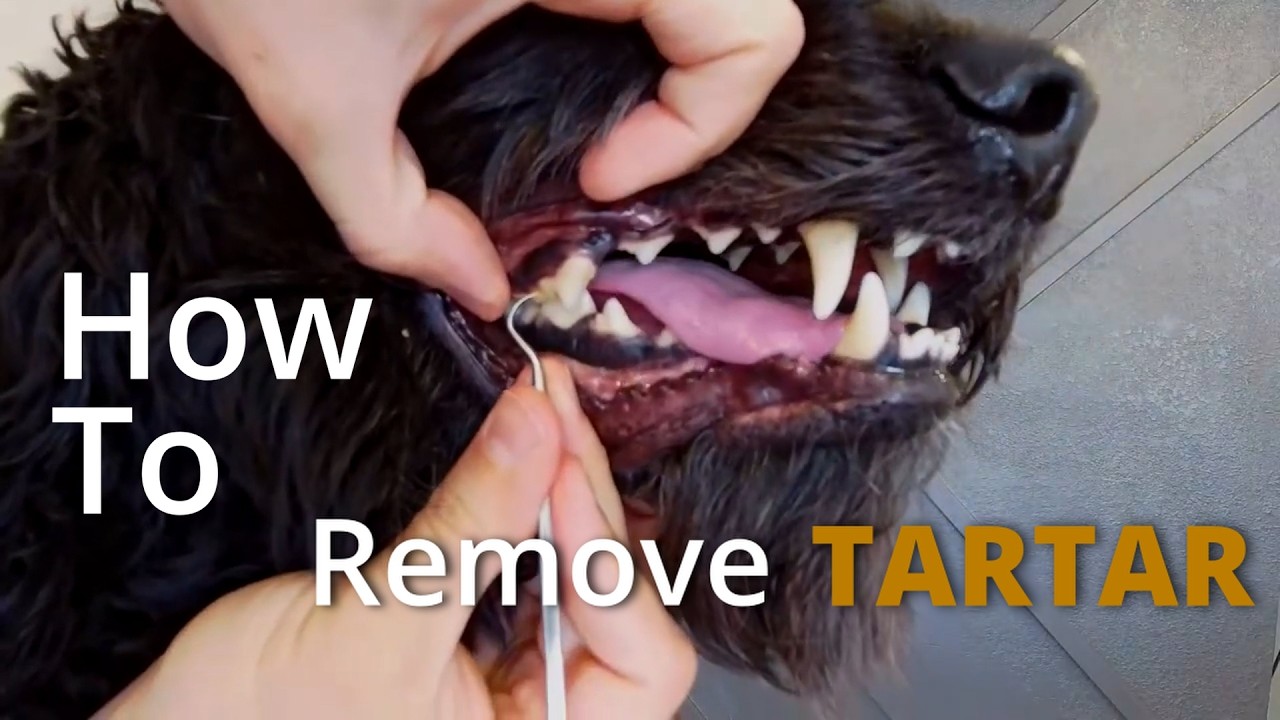
Recognizing the signs of tartar accumulation and associated dental problems is critical for timely intervention. One of the most common and often earliest indicators is persistently bad breath, or halitosis, which is caused by bacteria trapped in plaque and tartar. As tartar progresses, it becomes visibly noticeable as a yellow, brown, or even greenish-brown crust along the gum line and on the surfaces of the teeth. These deposits are typically most prominent on the canines and molars.
Another crucial sign is the presence of gingivitis, characterized by red, swollen, or bleeding gums. Healthy gums should appear pink and fit snugly around the teeth. Inflamed gums are a direct result of bacterial irritation beneath the tartar. Dogs experiencing dental pain may exhibit changes in eating habits, such as chewing on one side of the mouth, dropping food, reluctance to eat hard kibble or treats, or a decreased appetite.
Other behavioral indicators can include pawing at the mouth, excessive drooling, or rubbing the face against furniture or the floor. In more advanced stages, loose or missing teeth might be observed, and the dog may become noticeably less energetic or more irritable due to chronic discomfort. Regular visual inspections of a dog’s mouth can help identify these symptoms early, allowing for prompt action.
Practical Solutions and Management Strategies
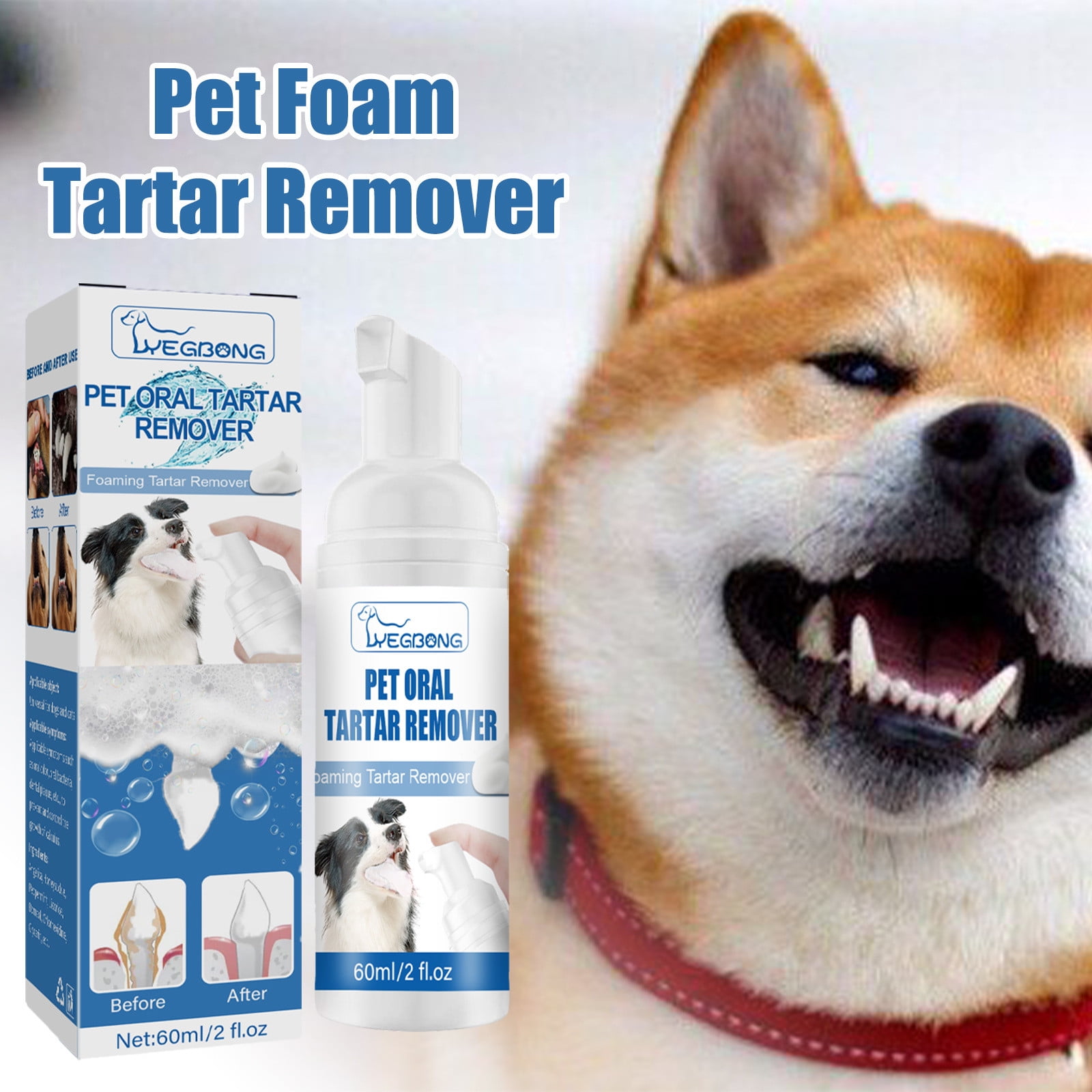
Effective dog tartar removal at home primarily focuses on prevention and early intervention, minimizing the need for more invasive procedures. The cornerstone of a home dental care regimen is daily tooth brushing. Using a dog-specific toothbrush and enzymatic toothpaste (never human toothpaste) significantly helps disrupt plaque before it hardens into tartar. Introducing brushing gradually with positive reinforcement is key to success.
Beyond brushing, several other strategies can complement this effort. Dental chews and treats specifically designed to reduce plaque and tartar are beneficial, especially those approved by the Veterinary Oral Health Council (VOHC). These products often have a unique texture or contain enzymes that help clean teeth as the dog chews. Similarly, specialized dental diets feature larger, fibrous kibble that mechanically scrapes the tooth surface during eating.
Water additives, containing antibacterial agents, can be added to a dog’s drinking water to help reduce oral bacteria and freshen breath. Dental wipes or finger brushes offer an alternative for dogs that are not yet comfortable with a full toothbrush, providing some mechanical plaque removal. Consistency is paramount for any home dental care plan. Regular examinations of the dogs mouth by its guardian allow for early detection of new tartar buildup or gum inflammation, enabling prompt adjustments to the care routine.
When Professional Help May Be Needed
While home dental care is invaluable for prevention and minor tartar management, there are clear instances when professional veterinary intervention becomes essential. If a dog exhibits heavy tartar buildup that appears solid and extensive, home methods are unlikely to be sufficient for removal. Such severe accumulation often requires a professional dental cleaning, which typically involves scaling and polishing under general anesthesia. This allows for thorough cleaning both above and below the gum line, where much of the damaging plaque and tartar reside.
Signs of advanced gum disease, such as persistent bleeding, significant gum recession, or very red and swollen gums, also indicate a need for veterinary assessment. These conditions suggest that the infection may have progressed beyond superficial gingivitis and could be affecting the supporting structures of the teeth. Furthermore, if a dog displays clear signs of pain, such as extreme reluctance to eat, pawing at the mouth, or notable behavioral changes related to oral discomfort, a veterinary visit is crucial to diagnose and address the underlying issue.
Loose or fractured teeth, oral lesions, or a very persistent bad breath that does not improve with home care are also strong indicators for professional attention. A veterinarian can evaluate the full extent of dental disease, potentially recommending extractions, antibiotics, or other treatments. Regular annual veterinary check-ups are fundamental, as these appointments often include an oral examination, allowing a professional to assess dental health and recommend professional cleaning when necessary.
Conclusion
Maintaining a dog’s dental health through proactive dog tartar removal at home and diligent preventive care is a cornerstone of responsible pet ownership. Understanding the causes of tartar buildup, recognizing early signs and symptoms, and implementing consistent home care strategies are vital steps toward ensuring a dogs comfort and well-being. Daily brushing, dental-specific products, and a keen eye for changes in oral health can significantly reduce the risk of severe dental disease. However, it is equally important to acknowledge the limitations of home care and to seek professional veterinary assistance when tartar accumulation is substantial, gum disease is evident, or pain is suspected. A balanced approach combining dedicated home hygiene with regular professional check-ups ensures that a dog enjoys optimal oral health, contributing positively to its overall happiness and quality of life for many years.
Pet Care & Wellness Overview Table
| Life Stage | Daily Activity Level | Key Nutrition / Care Focus |
|---|---|---|
| Puppy / Kitten | High (frequent short bursts) | High-protein growth diet & early socialization |
| Adult Companion | Moderate (30–60 mins daily) | Balanced maintenance nutrition & dental hygiene |
| Senior Pets | Low to Gentle (mindful walks) | Joint support (Glucosamine) & routine vet checks |
Images References






For more expert pet care tips and advice, check out our dedicated Dog Care guides to keep your companions healthy and happy.


