

The Role of Equipment in Effective Canine Education
Selecting appropriate dog training gear is a foundational step in establishing clear communication and safety during the learning process. According to the American Kennel Club, positive reinforcement is the most effective method for teaching dogs, as it focuses on rewarding desired behaviors rather than punishing unwanted ones. The tools utilized during these sessions serve as extensions of the handler’s guidance, helping to bridge the gap between human instruction and canine understanding. When equipment is chosen with care, it minimizes physical discomfort and maximizes the potential for successful learning outcomes. Understanding the purpose and limitations of various tools ensures that training remains a constructive, rewarding experience for both the animal and the owner.
💡 Pet Care Key Takeaways:
- Core Focus: Practical health, nutrition, and wellness guidelines for Dog Training Gear.
- Target Scope: Pet owners, animal caregivers, and veterinary support staff.
- Best Recommendation: Maintain consistent daily routines and consult an accredited veterinarian before introducing major diet or medical changes.
Defining Essential Training Gear
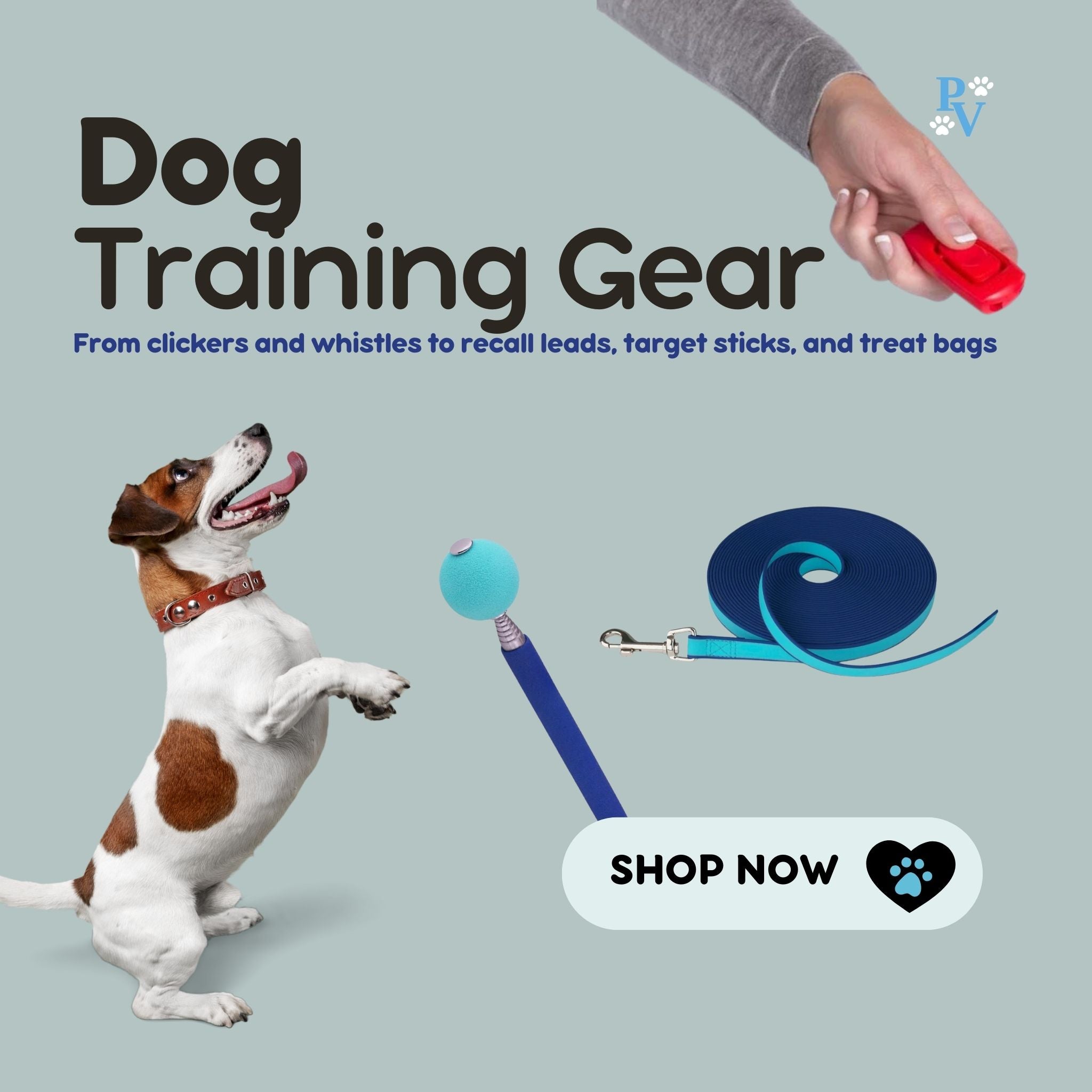
Dog training gear encompasses a variety of implements designed to facilitate control, safety, and communication during educational activities. These items range from standard flat collars and nylon leashes to specialized harnesses and long lines. A flat collar is typically used for identification and light control, while a front-clip harness is often recommended to discourage pulling by redirecting the dog’s momentum toward the handler. Training treats, treat pouches, and clickers—which are small devices that make a distinct sound to mark the exact moment a correct behavior occurs—also fall under this category. Each piece of equipment serves a specific function, and the most effective setups are those that prioritize the physical well-being of the dog while providing the necessary structure for Dog Training.
Impact on Behavioral Development and Physical Welfare
The choice of equipment directly influences how a dog perceives the training environment and how the body responds to physical pressure. Proper gear prevents injury to the delicate structures of the neck and trachea, particularly in smaller breeds or those prone to respiratory issues. Conversely, ill-fitting or aversive equipment—such as devices that rely on pain or discomfort to stop behavior—can lead to increased anxiety, fear-based reactivity, and a breakdown of the trust between the dog and the handler. By utilizing humane, non-punitive equipment, owners foster an environment where the animal feels safe to explore new commands and behaviors without the interference of physical distress or confusion.
The use of properly fitted harnesses can significantly reduce the risk of tracheal injury compared to traditional neck-based collars, especially for dogs that tend to pull on the lead. — American Veterinary Medical Association
Managing and Selecting Training Equipment
Managing training gear effectively involves regular inspections for wear and tear, ensuring that all clips, buckles, and stitching remain secure. A leash that frays or a harness that loses its structural integrity can pose a significant safety risk during outdoor sessions. When selecting gear, the primary consideration should be the individual dog’s size, age, and behavioral tendencies. For instance, a puppy may require a lightweight, adjustable harness that allows for growth, while a large, active breed might benefit from a more durable, padded design that distributes pressure evenly across the chest. Always test the fit by ensuring two fingers can comfortably slide between the gear and the dog’s body, preventing the equipment from being too loose to be effective or too tight to cause chafing.
Best Practices for Equipment Usage
Consistency and safety represent the cornerstones of successful equipment use. Avoid the temptation to use gear as a substitute for actual training; tools are meant to facilitate learning, not to force compliance through intimidation. Always introduce new equipment in a calm, distraction-free environment to allow the dog to become comfortable with the sensation of wearing it. Positive associations, such as offering a treat when putting on a harness, help the dog view the equipment as a signal that fun and learning are about to begin. If a dog shows signs of avoidance or stress, such as tucking the tail, cowering, or attempting to hide when the gear is produced, take a step back and allow for a slower, more gradual introduction to the items.
Positive reinforcement training, supported by appropriate equipment, is widely recognized as the most humane and effective approach to canine behavior modification. — American Society for the Prevention of Cruelty to Animals
Pet Care & Wellness Overview Table
| Life Stage | Daily Activity Level | Key Nutrition / Care Focus |
|---|---|---|
| Puppy / Kitten | High (frequent short bursts) | High-protein growth diet & early socialization |
| Adult Companion | Moderate (30–60 mins daily) | Balanced maintenance nutrition & dental hygiene |
| Senior Pets | Low to Gentle (mindful walks) | Joint support (Glucosamine) & routine vet checks |
Images References


Considerations for Breed, Age, and Temperament
Different dogs possess unique physical characteristics and temperaments that necessitate tailored equipment choices. Brachycephalic (short-nosed) breeds, such as Pugs or Bulldogs, often require specialized harnesses that avoid putting any pressure on the throat, as their anatomy makes them particularly susceptible to breathing difficulties. Older dogs or those with mobility concerns may need gear that offers extra support or is easier to put on without requiring significant movement of the limbs. Furthermore, highly energetic or reactive dogs might require heavy-duty leashes with reinforced hardware to ensure safety in public spaces. Understanding the specific needs of different Dog Breeds allows for a more personalized approach to Dog Care and education.
When to Consult a Professional
Professional guidance becomes necessary when persistent behavioral issues arise or when an owner is unsure how to safely manage a dog’s reactivity. If equipment seems to be failing or if the dog exhibits signs of extreme fear, aggression, or anxiety, it is essential to contact a certified professional trainer or a veterinary behaviorist. These experts can assess the situation, recommend appropriate, humane equipment, and provide a structured plan to address the root cause of the behavior. Never attempt to use devices designed to inflict pain or fear, such as shock or prong collars, as these can exacerbate behavioral problems and cause lasting harm to the animal’s psychological well-being.
Building a Foundation for Success
Equipping a dog for learning is more than just purchasing supplies; it is about creating a system of support that encourages confidence and cooperation. By focusing on quality, comfort, and positive reinforcement, owners can ensure that every training session is a step toward a stronger, more harmonious relationship with their companion. Whether working on basic obedience or addressing complex behavioral challenges, the right tools set the stage for long-term success. For more information on nurturing a healthy, happy life for your pet, explore the diverse resources available at PetsAnimalsWorld.com, where Dog Health and well-being are always the priority.


