Introduction
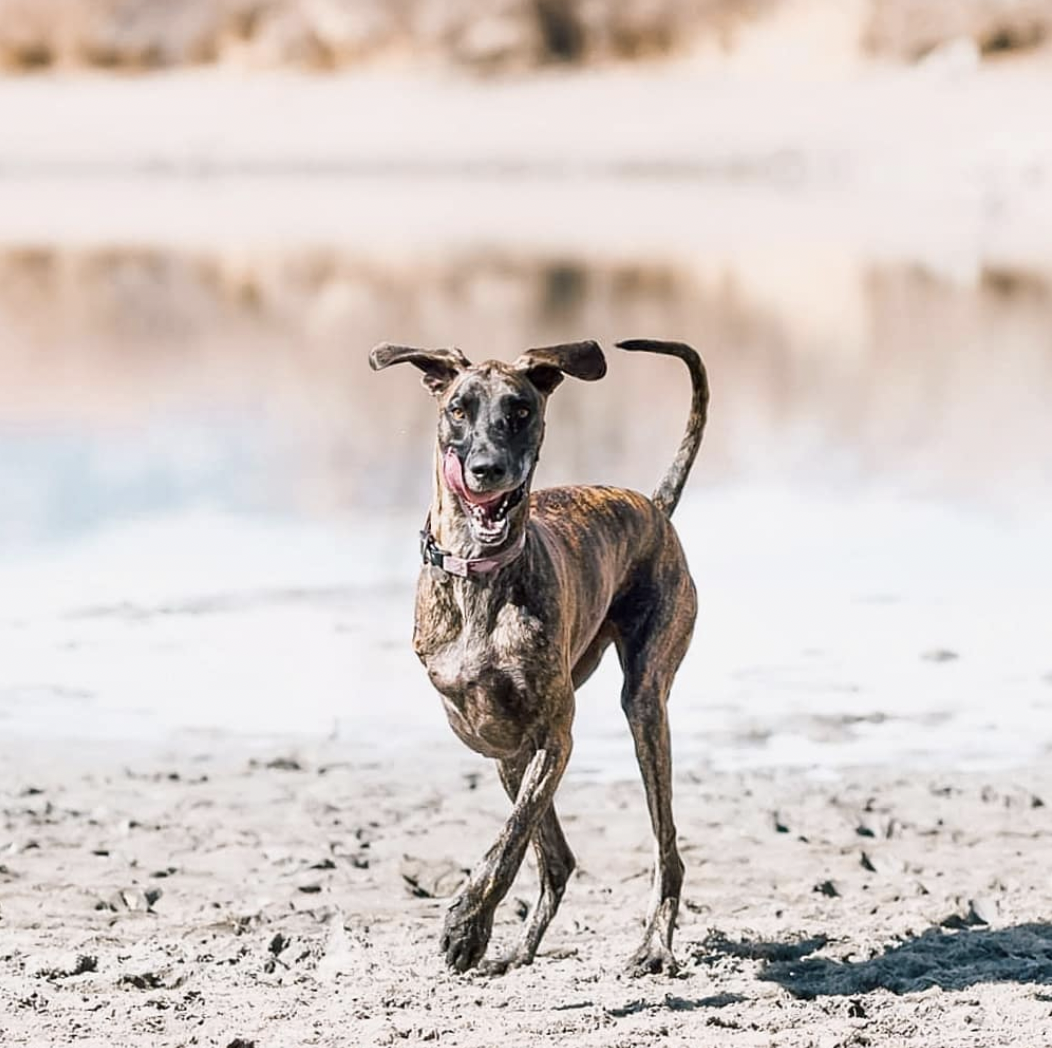
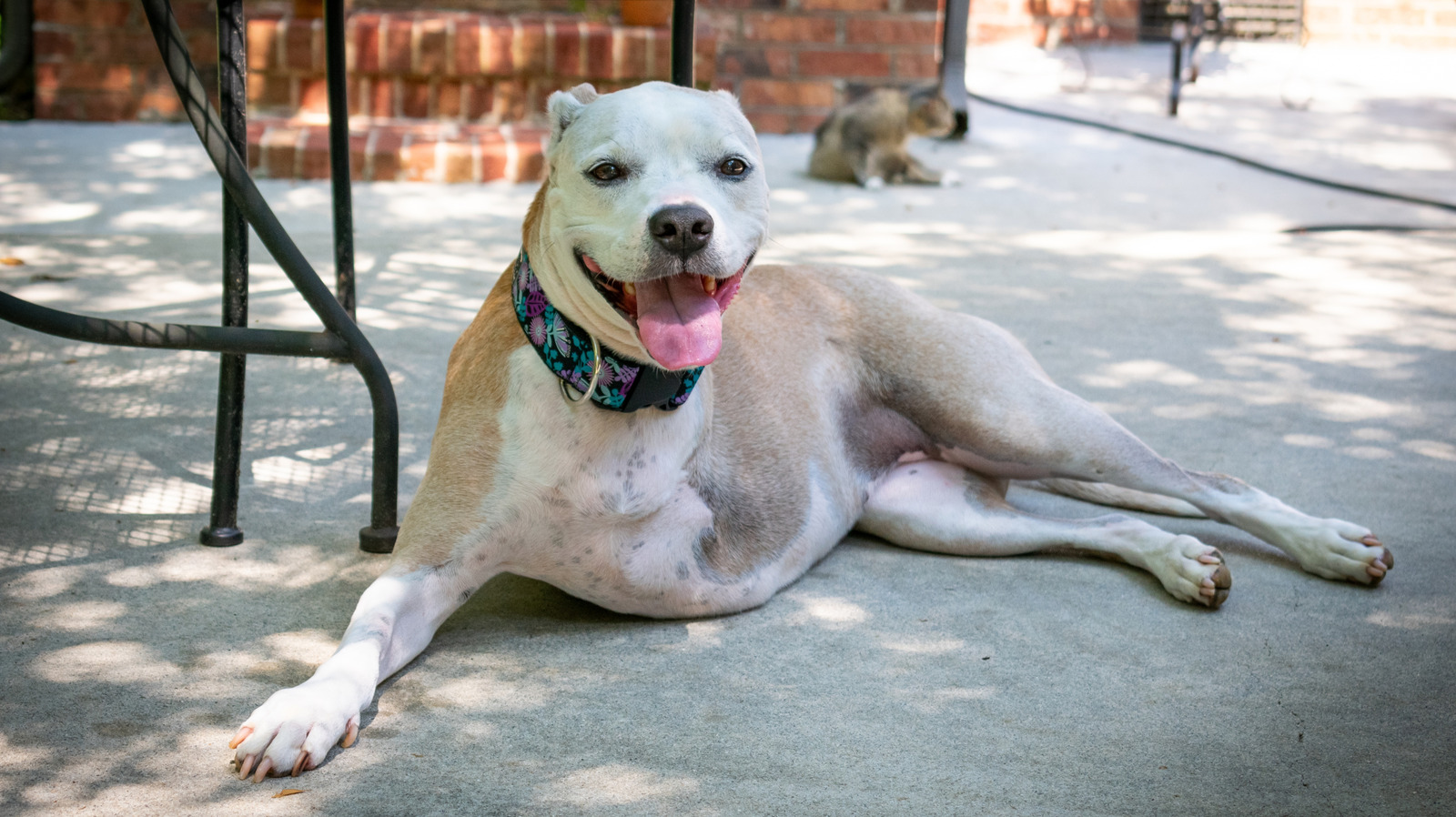
The term “dog with 3 legs,” often affectionately referred to as a “tripod dog,” describes a canine companion that has lost one of its limbs, whether through amputation due to injury or illness, or a congenital condition. While the initial thought of a three-legged dog might evoke concern, it is crucial for dog owners and pet enthusiasts to understand that these resilient animals can lead full, active, and joyous lives with appropriate care and attention. Understanding the unique needs and adaptations of a tripod dog is paramount to ensuring its well-being, promoting healthy behavior, and enhancing its overall quality of life. This article aims to provide comprehensive insights into caring for a dog with three legs, offering practical guidance for fostering a happy and comfortable existence for these special companions. Explore more in our Dog Care collection.
💡 Pet Care Key Takeaways:
- Core Focus: Practical health, nutrition, and wellness guidelines for Dog With 3 Legs.
- Target Scope: Pet owners, animal caregivers, and veterinary support staff.
- Best Recommendation: Maintain consistent daily routines and consult an accredited veterinarian before introducing major diet or medical changes.
Common Causes and Key Factors
The reasons behind a dog having three legs are varied, primarily falling into two main categories: acquired loss or congenital conditions. Acquired limb loss is the more common scenario, typically resulting from severe trauma such as road accidents, falls, or other injuries that render a limb unsalvageable. In such cases, veterinary professionals often recommend amputation as the most humane course of action to alleviate pain and prevent further complications, allowing the dog to recover and adapt to a new way of moving. For more related activities, check out our Doggy Day Care Upper West Side.
Another significant cause of acquired limb loss is disease, with various forms of cancer being a prevalent factor. Bone cancer (osteosarcoma) is particularly aggressive and can necessitate amputation to prevent metastasis and improve the dog’s comfort. Other medical conditions, such as severe infections, birth defects, or irreparable nerve damage, may also lead to the decision for amputation. Discover more free resources across our collection library.
Congenital conditions represent another cause, though less frequent. Some dogs are born with a malformed or missing limb, a condition that may not always require surgical intervention but still results in a tripod gait from birth. Regardless of the origin, the primary factor determining a tripod dog’s adaptation success is the care and support provided by its human companions.
Signs and Symptoms to Observe
Observing a tripod dog involves recognizing both its remarkable adaptability and potential signs of discomfort or secondary issues. Initially, after amputation, a dog will naturally exhibit a period of adjustment. This includes an altered gait, a tendency to lean or shift weight, and perhaps some reluctance to move or navigate stairs. These behaviors are generally part of the healing and adaptation process.
However, owners should be vigilant for specific indicators that may suggest ongoing problems. Signs of pain or discomfort can include excessive licking at the stump, vocalization when touched, limping on one of the remaining limbs, or a noticeable decrease in activity levels. Changes in appetite or unusual aggression when handled might also signal pain.
Over time, tripod dogs can develop compensatory issues due to the increased strain on their remaining limbs and spine. Owners should watch for signs of joint stiffness, particularly in the elbows, hips, and knees, or lameness in the remaining weight-bearing limbs. Muscle atrophy in the missing limb’s corresponding area or excessive muscle development in compensatory areas can also be observed. Regular observation of gait, energy levels, and general demeanor is crucial to identify any changes promptly.
Practical Solutions and Management Strategies
Caring for a dog with three legs involves a multifaceted approach focused on supporting mobility, comfort, and overall health. Environmental adjustments are a cornerstone of effective management. Ensuring non-slip flooring throughout the home can prevent falls and reduce strain on joints. Ramps can be invaluable for navigating stairs, entering vehicles, or accessing furniture, minimizing stress on the remaining limbs. Eliminating clutter and providing clear pathways allows for easier movement.
Weight management is critically important. Every extra pound places significant additional stress on a tripod dog’s remaining joints and spine. A balanced diet tailored to the dog’s activity level and age, combined with controlled portions, is essential. Regular consultation with a veterinarian to establish and maintain an ideal body weight is highly recommended.
Exercise routines must be carefully managed to build strength without causing overexertion. Short, frequent walks on soft surfaces are preferable to long, strenuous outings. Swimming can be an excellent low-impact exercise for muscle development and cardiovascular health. Physical therapy exercises, guided by a professional, can also help strengthen core muscles and improve balance.
Comfort aids like orthopedic beds can provide crucial support for joints and muscles. Specialized harnesses designed to assist with mobility, offering support under the chest or hindquarters, can be beneficial during walks or when navigating uneven terrain. For some dogs, custom-fitted prosthetics may be an option, although these are less common for full limb amputation and require significant commitment to training and maintenance.
Consistent training focused on body awareness and gentle handling can also aid in a tripod dog’s adaptation. Positive reinforcement techniques can encourage confidence and help the dog learn new ways to balance and move.
When Professional Help May Be Needed
While many tripod dogs adapt remarkably well, there are specific situations where professional veterinary intervention or specialized care is indispensable. Regular veterinary check-ups are fundamental, ideally twice a year, to monitor the dog’s overall health, assess joint health, and manage any emerging compensatory issues.
If a dog exhibits persistent lameness, signs of pain (such as excessive licking, vocalization, or reluctance to move), or a noticeable decline in activity levels, immediate veterinary attention is warranted. These symptoms could indicate secondary orthopedic problems like arthritis, soft tissue injuries, or even issues with the stump site.
Referral to a rehabilitation veterinarian or a certified canine physical therapist can be highly beneficial. These specialists can develop tailored exercise programs, offer hydrotherapy, acupuncture, or other modalities to alleviate pain, improve strength, and enhance mobility. For complex cases involving significant discomfort or mobility challenges, an orthopedic specialist may be consulted.
Additionally, if owners struggle with managing their tripod dog’s weight or diet, a veterinary nutritionist can provide expert guidance to ensure optimal caloric intake and nutrient balance. Seeking professional advice early can often prevent minor issues from escalating into more significant problems, ensuring the dog maintains the best possible quality of life.
Conclusion
Caring for a dog with three legs is a profoundly rewarding experience that highlights the incredible resilience and spirit of these animals. By understanding the common causes of limb loss, recognizing subtle signs of adaptation or discomfort, and implementing practical management strategies, owners can significantly enhance their tripod companion’s quality of life. Consistent attention to environmental modifications, meticulous weight management, tailored exercise, and proactive veterinary care are all crucial components of supporting a healthy and happy tripod dog. Awareness, observation, and dedicated care form the bedrock of a fulfilling life for these extraordinary dogs, aligning perfectly with the educational mission of petsanimalsworld.com to empower pet owners with the knowledge to provide exceptional care.
Pet Care & Wellness Overview Table
| Life Stage | Daily Activity Level | Key Nutrition / Care Focus |
|---|---|---|
| Puppy / Kitten | High (frequent short bursts) | High-protein growth diet & early socialization |
| Adult Companion | Moderate (30–60 mins daily) | Balanced maintenance nutrition & dental hygiene |
| Senior Pets | Low to Gentle (mindful walks) | Joint support (Glucosamine) & routine vet checks |
Images References