

Introduction
Maintaining a dog’s overall well-being necessitates attention to various aspects of its health, with ear care for dogs standing out as a critical component. This refers to the routine practices, inspections, and preventative measures undertaken to keep a dog’s ears clean, healthy, and free from infection or discomfort. Ear issues are a common ailment observed in canine companions, frequently arising from a combination of anatomical predispositions, environmental exposures, and a lack of consistent care. Understanding the nuances of canine ear health and implementing effective ear care practices can significantly reduce the likelihood of painful infections, improve a dogs comfort, and contribute substantially to its overall quality of life. Proactive engagement in this area allows for early detection of potential problems, preventing minor irritations from escalating into more serious conditions that could impact a dog’s hearing and general demeanor.
💡 Pet Care Key Takeaways:
- Core Focus: Practical health, nutrition, and wellness guidelines for Ear Care For Dogs.
- Target Scope: Pet owners, animal caregivers, and veterinary support staff.
- Best Recommendation: Maintain consistent daily routines and consult an accredited veterinarian before introducing major diet or medical changes.
Common Causes and Key Factors
A range of factors contributes to the prevalence of ear problems in dogs, making diligent ear care for dogs essential. Anatomical features play a significant role; dogs with long, floppy ears, such as Basset Hounds and Cocker Spaniels, are more susceptible to ear infections due to restricted airflow, which creates a warm, moist environment ideal for the proliferation of bacteria and yeast. Breeds with excessive hair growth inside the ear canal, like Poodles and Schnauzers, can also trap dirt, debris, and moisture, leading to similar issues. For more related activities, check out our Doggy Day Care Yarraville.
Allergies, both environmental (e.g., pollen, dust mites) and food-related, are frequently manifested as inflammation and itchiness in the ears, leading to secondary infections. Additionally, foreign bodies such as grass seeds or small pieces of debris can become lodged in the ear canal, causing irritation and infection. Ear mites are another common culprit, particularly in puppies and dogs with outdoor access, causing intense itching and dark, waxy discharge. Regular swimming or bathing without proper ear drying can introduce excess moisture, disrupting the ear’s natural protective balance and fostering microbial growth.
Signs and Symptoms to Observe
Vigilant observation of a dog’s behavior and physical condition is paramount for early detection of ear problems. Common indicators suggesting a need for ear care for dogs include frequent head shaking or tilting, persistent scratching or pawing at the ears, and rubbing the head against furniture or the ground. Upon closer inspection, physical signs such as redness or swelling of the ear flap or inside the ear canal may be apparent.
An abnormal discharge from the ear is a significant symptom; this can range from dark, waxy buildup (often indicative of ear mites or yeast) to yellow, green, or pus-like discharge (suggesting bacterial infection). A foul odor emanating from the ears is another strong indicator of an underlying issue. Dogs may also exhibit pain or sensitivity when the ears are touched, often vocalizing or pulling away. In more severe cases, changes in behavior such as lethargy, irritability, or even a loss of balance can signify a deeper infection affecting the inner ear. These signs can vary in intensity depending on the dog’s age, breed, and the severity of the condition.
Practical Solutions and Management Strategies
Proactive and consistent ear care for dogs can significantly reduce the incidence of ear problems. A fundamental strategy involves routine ear inspections. Owners should visually check their dogs ears several times a week, paying attention to any redness, swelling, discharge, or unusual odor. This allows for early identification of potential issues before they escalate.
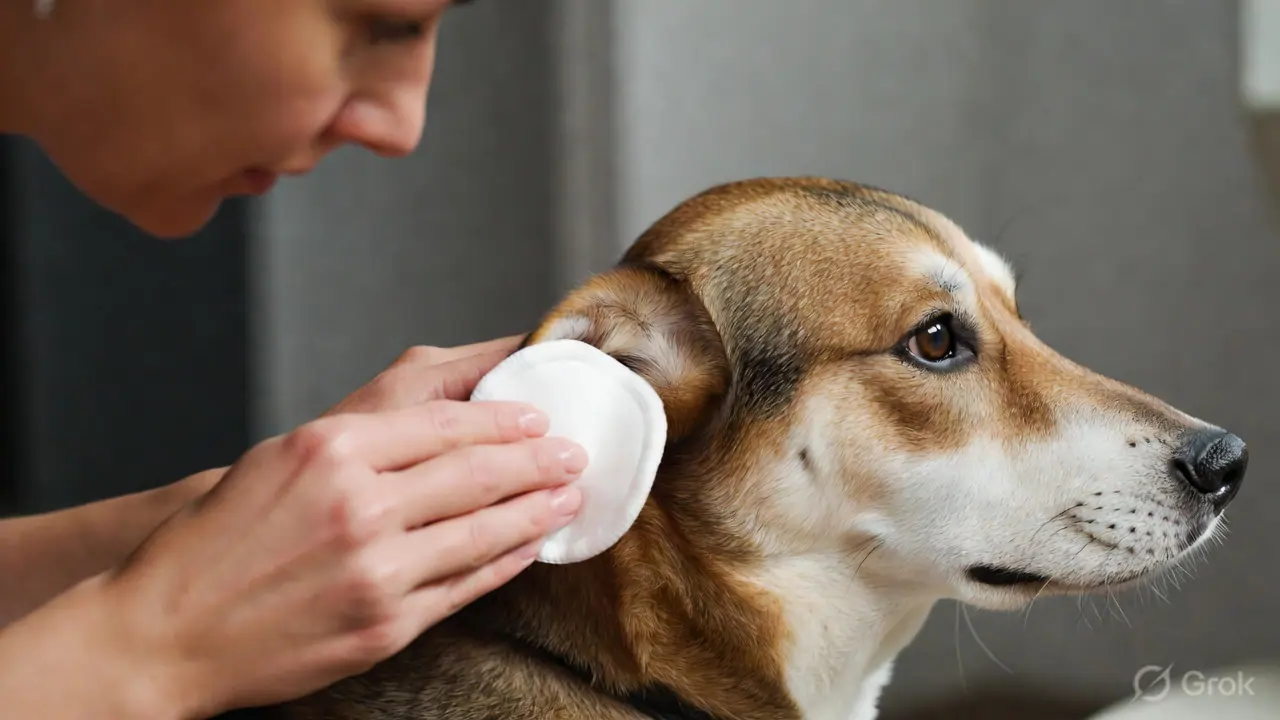
Regular cleaning, using a veterinarian-recommended ear cleaner, is often necessary. The frequency of cleaning depends on the individual dogs breed, activity level, and predisposition to ear issues. For some dogs, weekly cleaning may be beneficial, while others require less frequent intervention. The proper technique involves applying a small amount of cleaner into the ear canal, gently massaging the base of the ear to help break up debris, and then allowing the dog to shake its head. After shaking, the outer ear and accessible parts of the canal can be gently wiped clean with a cotton ball or soft cloth. Cotton swabs should generally be avoided deep within the ear canal to prevent pushing debris further in or damaging sensitive structures.
For breeds with excessive hair in the ear canal, periodic trimming by a professional groomer or veterinarian can improve ventilation. Crucially, dogs that swim frequently or are bathed often should have their ears thoroughly dried immediately afterward to prevent moisture buildup, which fosters microbial growth. In cases where allergies are suspected contributors to ear issues, dietary adjustments or environmental allergen management, often guided by veterinary advice, can also be beneficial.
When Professional Help May Be Needed
While routine ear care for dogs can prevent many common issues, certain signs indicate the necessity of professional veterinary consultation. Persistent symptoms such as incessant scratching, head shaking that does not resolve, or a noticeable change in a dog’s behavior, like increased irritability or reluctance to be touched around the head, warrant immediate veterinary attention.
Any observable discharge that is unusual in color (e.g., yellow, green, dark brown and excessive), consistency, or accompanied by a foul odor requires professional assessment. Visible redness, swelling, or clear signs of pain when the ear is manipulated are also critical indicators. If a foreign body is suspected to be lodged in the ear canal, attempts at removal at home can cause further injury; therefore, veterinary intervention is essential. Furthermore, if a dog exhibits any signs of hearing loss, disorientation, or balance issues, it could signal a more serious inner ear infection or other neurological complications, necessitating prompt veterinary diagnosis and treatment. Seeking professional advice ensures an accurate diagnosis and appropriate treatment plan, preventing complications and promoting a swift recovery.
Conclusion
Effective ear care for dogs forms an integral part of responsible pet ownership, significantly contributing to a dog’s comfort and overall health. Routine inspection and appropriate cleaning practices are crucial preventative measures that can mitigate the risk of common ear ailments. Understanding the various causes of ear problems and recognizing the early signs and symptoms empowers owners to take proactive steps. While many ear issues can be managed with consistent home care, an awareness of when to seek professional veterinary assistance is equally important to address more serious or persistent conditions effectively. Integrating regular ear care into a dog’s grooming routine ensures that these loyal companions can enjoy a life free from preventable discomfort, reinforcing the bond between a dog and its owner through dedicated and informed care.
Pet Care & Wellness Overview Table
| Life Stage | Daily Activity Level | Key Nutrition / Care Focus |
|---|---|---|
| Puppy / Kitten | High (frequent short bursts) | High-protein growth diet & early socialization |
| Adult Companion | Moderate (30–60 mins daily) | Balanced maintenance nutrition & dental hygiene |
| Senior Pets | Low to Gentle (mindful walks) | Joint support (Glucosamine) & routine vet checks |
Images References





For more expert pet care tips and advice, check out our dedicated Dog Care guides to keep your companions healthy and happy.


