Managing the boundless energy of a young canine requires understanding a crucial developmental stage.
According to the American Kennel Club (AKC), five months of age marks a critical milestone where canine curiosity peaks alongside permanent tooth eruption, transforming a once-sleepy infant into an unstoppable explorer. Households nationwide suddenly find shoes relocated, couch cushions inspected, and baseboards tested for chewability. Witnessing a household transformed into a chaotic obstacle course can test the patience of even the most dedicated guardian. Fortunately, this frantic phase is neither permanent nor untamable. By looking at the environment through the eyes of an adolescent canine, caregivers can transition from reactive frustration to proactive management, fostering a harmonious living space for everyone involved. Explore more in our Pets collection.
💡 Pet Care Key Takeaways:
- Core Focus: Practical health, nutrition, and wellness guidelines for Five Month Old Puppy Is Always Into Everything.
- Target Scope: Pet owners, animal caregivers, and veterinary support staff.
- Best Recommendation: Maintain consistent daily routines and consult an accredited veterinarian before introducing major diet or medical changes.
A five month old puppy is always into everything due to a powerful biological drive to explore the world using their mouth and paws.
Developmental behaviorists define this phase as peak exploratory adolescence, characterized by rapid cognitive growth and intense sensory investigation. Young canines discover texture, taste, and spatial relationships by interacting directly with their surroundings. When a five month old puppy is always into everything, it is rarely driven by spite or disobedience. Instead, this behavior stems from sensory overload, boredom, and the physical discomfort of teething, which compels them to chew on objects to soothe inflamed gums. Environmental enrichment needs skyrocket during this period, meaning an under-stimulated adolescent will readily invent their own entertaining jobs, such as unrolling toilet paper or excavating potted plants. For more related activities, check out our Shia Inu Gedragsproblemen.
Unchecked exploratory chewing and scavenging present severe physical hazards, including gastrointestinal blockages and accidental poisoning.
Allowing unsupervised access to household items exposes developing digestive tracts to foreign objects that frequently require surgical intervention. In professional veterinary practice, observing an energetic youngster present with sudden vomiting after ingesting foam rubber, electrical cords, or toxic houseplants is an all-too-common emergency. Furthermore, ingestion of everyday items like chocolate, xylitol, or certain human medications can cause life-threatening toxicity. Establishing proactive safety measures protects physical health while teaching the youngster appropriate boundaries. Addressing these impulses early prevents the rehearsal of destructive habits that can persist into adulthood if left unmanaged.
Inappropriate object ingestion by adolescent canines remains one of the leading causes of emergency veterinary surgical procedures for foreign body removal — American Veterinary Medical Association
Channeling adolescent energy requires structured environmental management combined with targeted mental stimulation.
Implementing robust puppy-proofing strategies immediately eliminates temptation by restricting access to vulnerable areas of the home through baby gates and closed doors. Rather than punishing natural curiosity, certified positive reinforcement trainers recommend redirecting that energy toward approved outlets, such as interactive puzzle toys and durable chew items stuffed with frozen food. Providing regular periods of structured physical exercise helps burn off excess adrenaline. Consistent schedule management ensures the youngster receives adequate rest throughout the day, preventing the frantic, overtired outbursts typical of an adolescent animal running on fumes.
Preventing common behavioral pitfalls during this intense developmental window ensures long-term household peace.
Avoiding the trap of chasing the youngster when they grab a forbidden item prevents the creation of an inadvertent game of keep-away. Instead, trade up by offering a high-value treat in exchange for the stolen object, teaching a reliable “drop it” cue without inducing fear or resource guarding. Another frequent misstep is providing insufficient mental exercise, relying solely on physical walks while ignoring the cognitive fatigue that comes from training sessions and scent games. Maintaining realistic expectations is equally essential; punishing a curious animal for acting on normal instincts damages the human-animal bond and creates confusion.
Providing daily mental enrichment through puzzle feeders and scent work significantly reduces destructive household behaviors in adolescent dogs — American Kennel Club
Pet Care & Wellness Overview Table
| Life Stage | Daily Activity Level | Key Nutrition / Care Focus |
|---|---|---|
| Puppy / Kitten | High (frequent short bursts) | High-protein growth diet & early socialization |
| Adult Companion | Moderate (30–60 mins daily) | Balanced maintenance nutrition & dental hygiene |
| Senior Pets | Low to Gentle (mindful walks) | Joint support (Glucosamine) & routine vet checks |
Images References


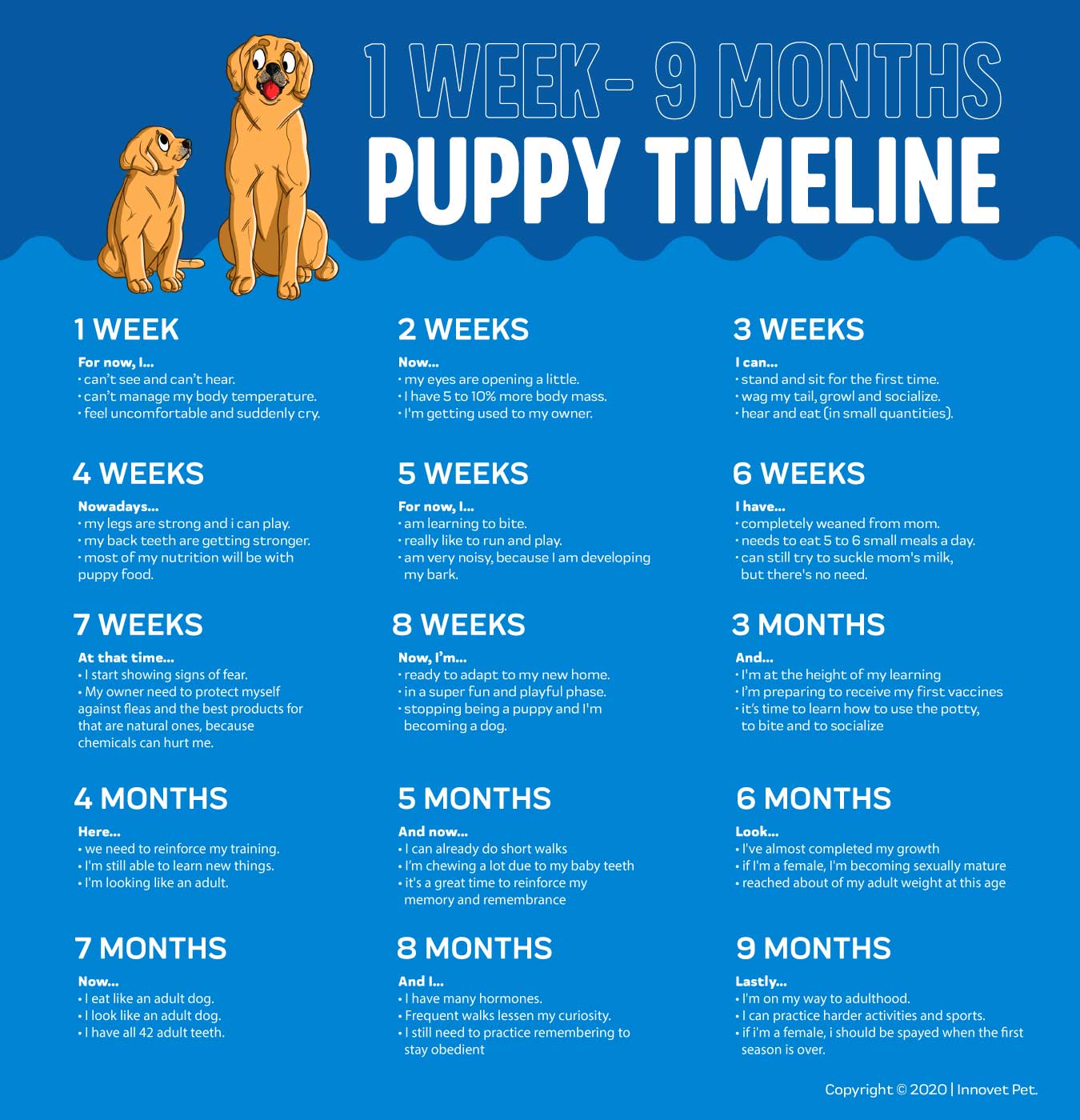
Individual breed traits, physical size, and natural temperament heavily influence the intensity of adolescent curiosity.
Working and sporting breeds, originally bred for high-stamina tasks like herding or retrieving, typically display much higher investigative drives than companion-focused toy breeds. A five-month-old terrier mix will likely excavate yard soil with relentless determination, while a larger retriever mix might practice their carrying instincts by gathering every shoe within reach. Recognizing these innate characteristics allows caregivers to tailor routines to match specific biological needs. Tailoring physical and mental outlets to suit a specific heritage transforms frustrating tendencies into enjoyable training opportunities.
Consulting a qualified veterinary behaviorist or professional trainer becomes necessary when destructive behaviors stem from severe anxiety or obsession.
While typical developmental mischief responds well to management and redirection, persistent self-mutilation, severe separation distress, or frantic destruction accompanied by panic require specialized intervention. When traditional training methods fail to curb dangerous exploration habits, seeking professional guidance ensures the underlying emotional state is addressed safely. Humane, science-based behaviorists avoid punitive tactics, focusing instead on science-backed modification plans that promote emotional regulation. Early collaboration with a veterinary professional rules out underlying medical causes for sudden behavioral shifts.
Guiding an adolescent canine through their most chaotic months requires patience, consistency, and a deep appreciation for normal developmental milestones. For ongoing guidance on Dog Behavior, practical Dog Care tips, and advice on Dog Training, caregivers can explore the extensive resources available on PetsAnimalsWorld.com. With steady leadership and proper outlets, the frantic explorer will soon mature into a well-adjusted, reliable canine companion.