
Introduction
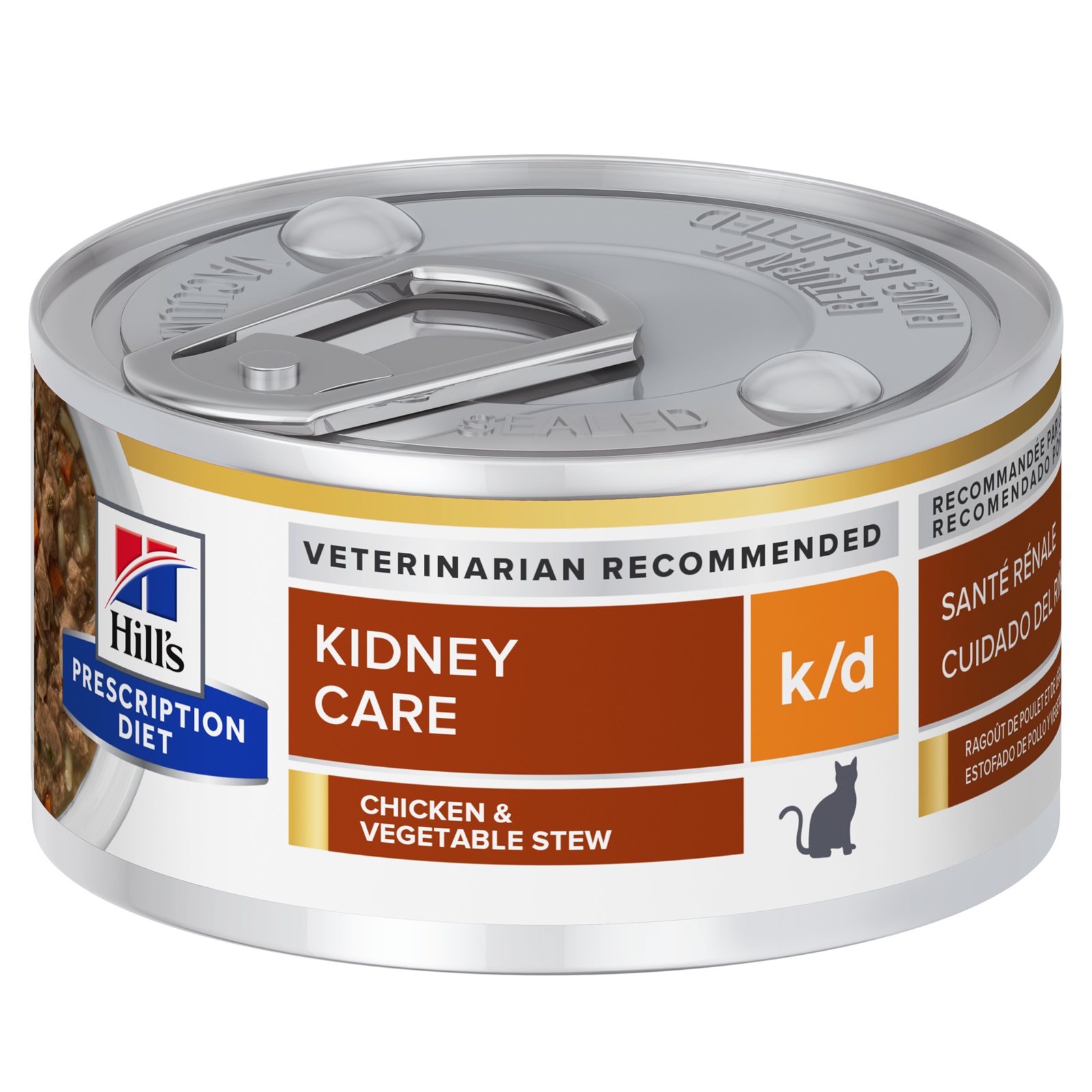
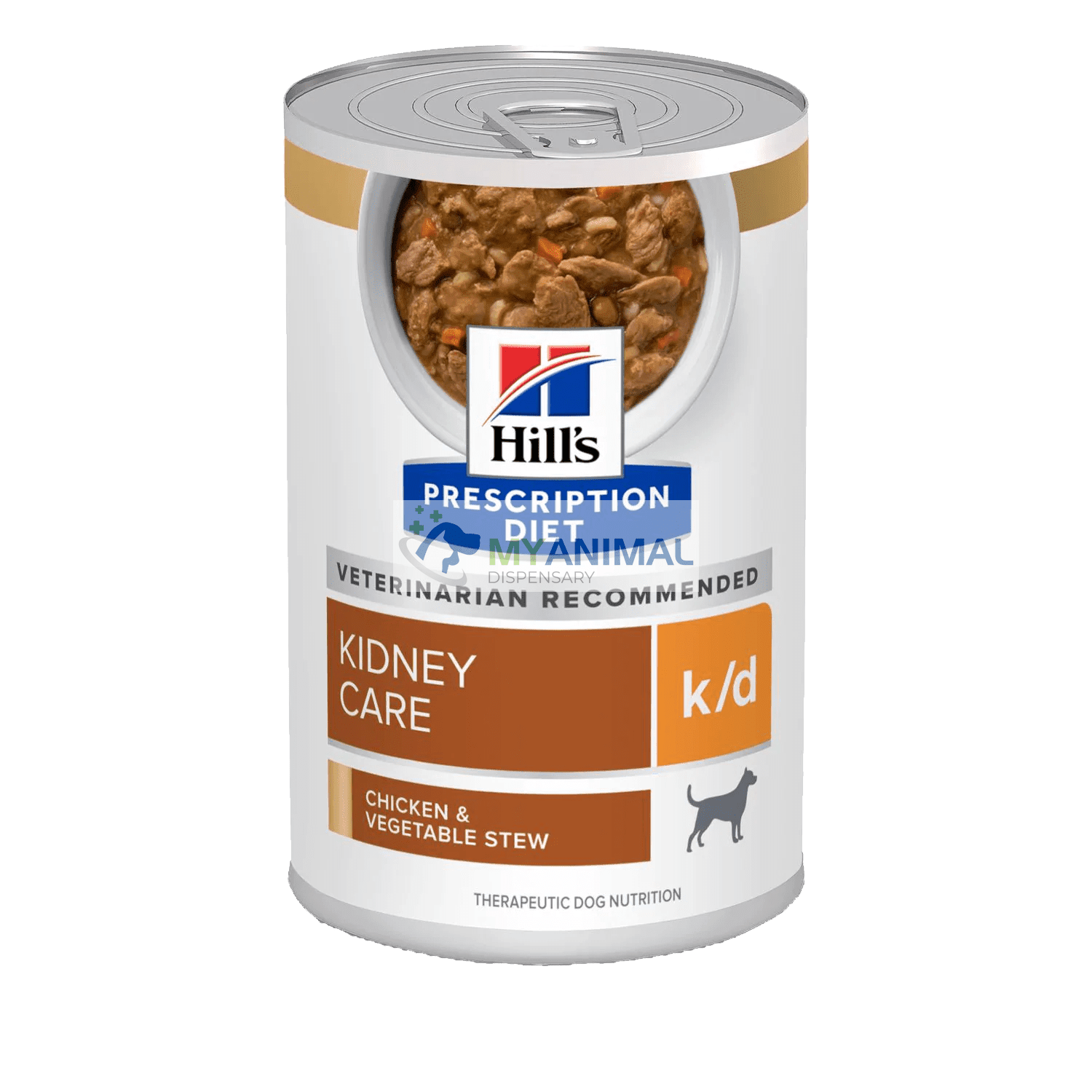
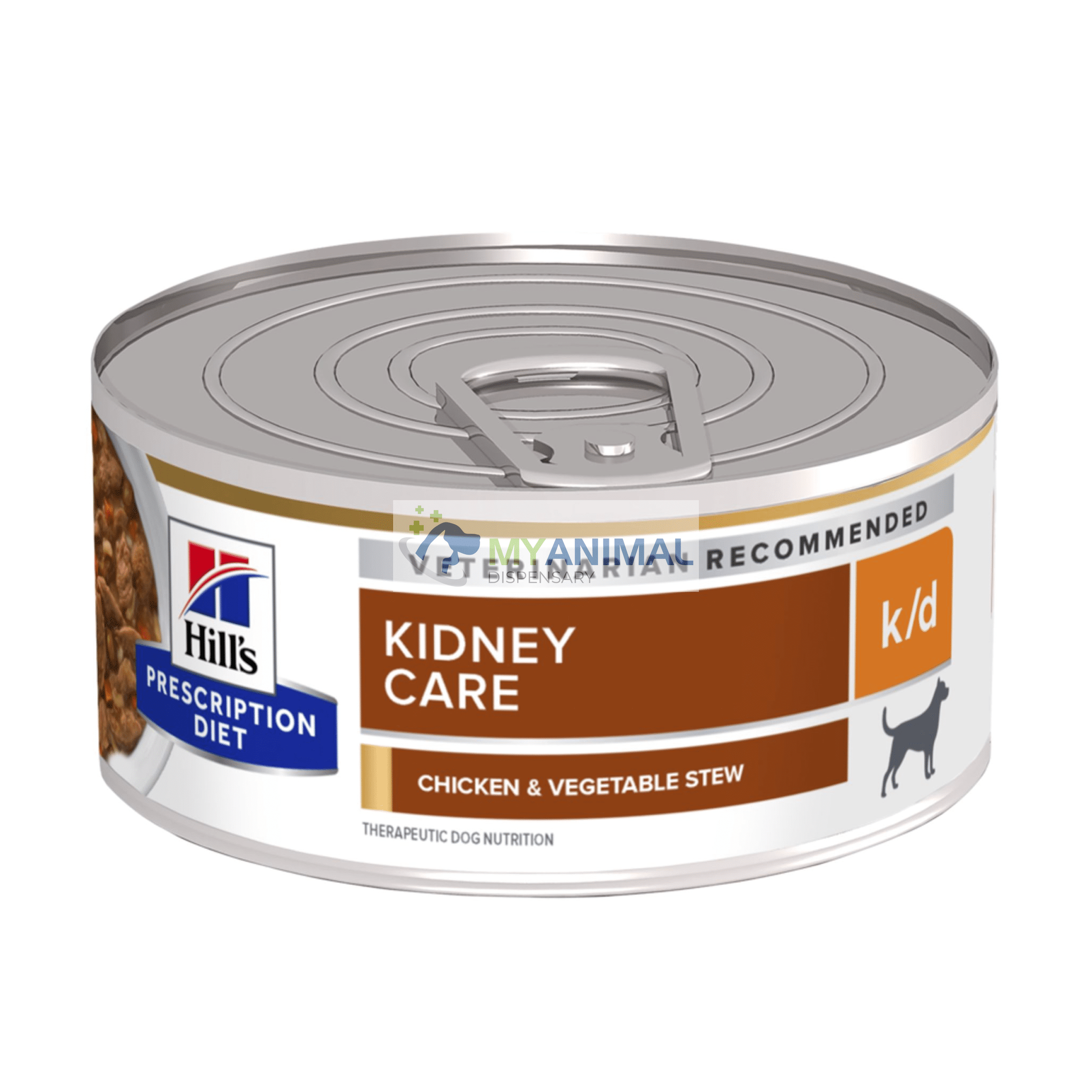
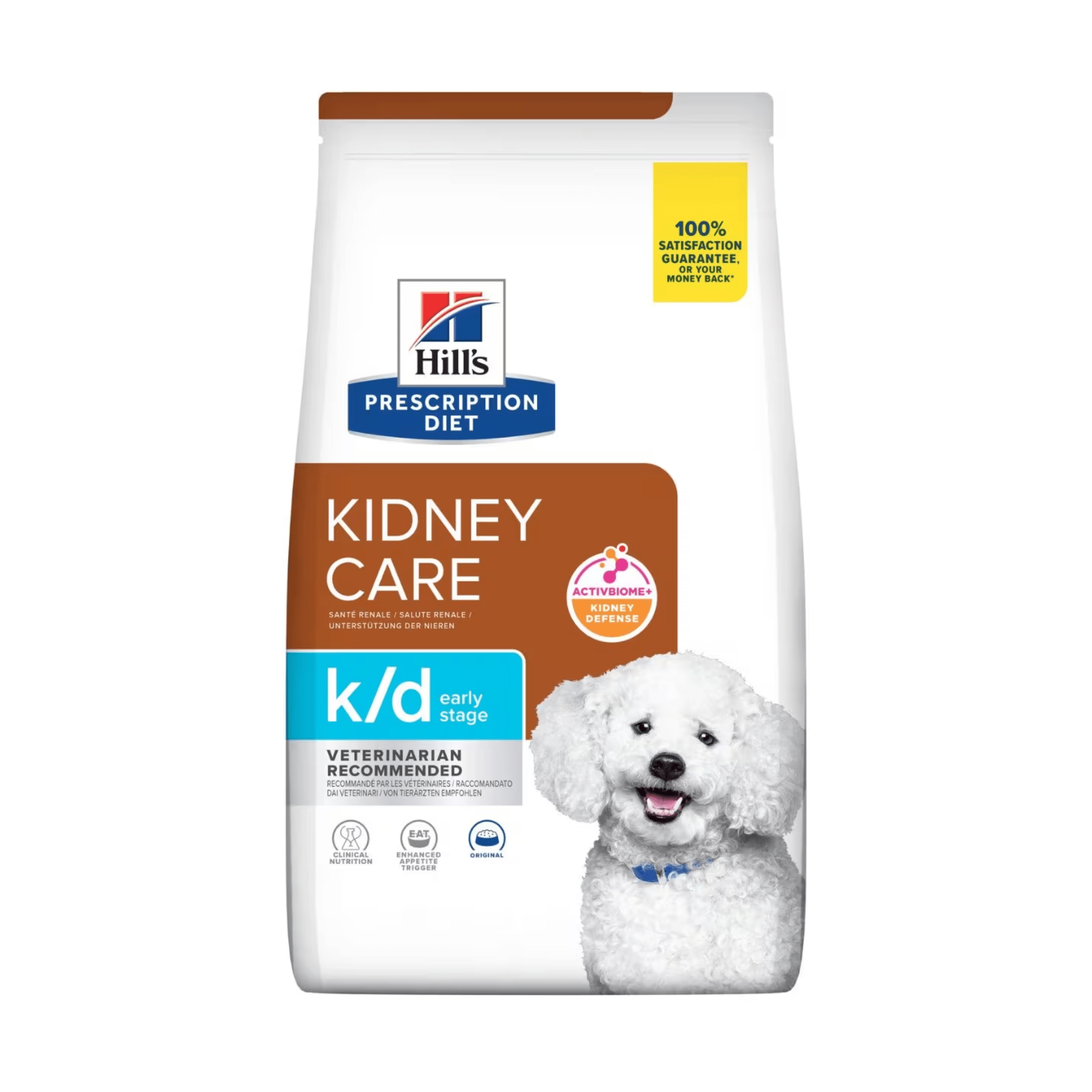
Understanding a dog’s nutritional needs, especially when health challenges arise, is paramount for responsible pet ownership. For many dogs, particularly as they age, kidney health becomes a significant concern. When a veterinarian diagnoses a dog with kidney disease, one of the most crucial elements of management often involves a specialized therapeutic diet. The term “Hills Kidney Diet” refers to Hill’s Prescription Diet k/d, a specific line of veterinary-formulated food designed to support renal function in dogs with kidney conditions. This type of diet is not merely regular dog food; it represents a carefully balanced nutritional approach intended to slow the progression of kidney disease, alleviate symptoms, and ultimately enhance a dogs overall well-being and quality of life by providing targeted support to their compromised kidneys. Recognizing the role of such a diet can profoundly improve a dog’s health outcomes when facing renal challenges.
💡 Pet Care Key Takeaways:
- Core Focus: Practical health, nutrition, and wellness guidelines for Hills Kidney Diet.
- Target Scope: Pet owners, animal caregivers, and veterinary support staff.
- Best Recommendation: Maintain consistent daily routines and consult an accredited veterinarian before introducing major diet or medical changes.
Common Causes and Key Factors
Kidney disease in dogs can stem from various underlying causes, with several key factors often contributing to its development. Chronic kidney disease (CKD) is frequently observed in aging dogs, as kidney function naturally declines over time. Certain breeds may also exhibit a genetic predisposition to kidney issues, including Cocker Spaniels, German Shepherds, and Bull Terriers, among others. Beyond age and genetics, acute kidney injury can occur due to exposure to toxins (e.g., certain plants, medications, antifreeze), severe infections, trauma, or periods of significantly reduced blood flow to the kidneys. For more related activities, check out our Doggy Day Care Uxbridge.
Other chronic conditions can also impact kidney health. For instance, untreated dental disease can lead to bacterial infections that spread through the bloodstream, potentially affecting the kidneys. High blood pressure (hypertension), certain autoimmune diseases, and even some cancers can place additional stress on these vital organs. When kidney function becomes impaired, the kidneys struggle to filter waste products from the blood effectively, leading to a buildup of toxins in the body. This necessitates a specialized diet like the Hills Kidney Diet, which is formulated to reduce the workload on the kidneys while still providing essential nutrients.
Signs and Symptoms to Observe
Recognizing the signs and symptoms of kidney issues in dogs is crucial for early intervention. In the initial stages of kidney disease, symptoms can be subtle and easily overlooked. One of the most common early indicators is an increase in thirst (polydipsia) and, consequently, an increase in urination (polyuria). A dog may seem to drink more water than usual and require more frequent trips outside or have accidents in the house.
As the disease progresses, additional signs may become apparent. These can include a decreased appetite, which often leads to noticeable weight loss and a general lack of energy or lethargy. Owners might also observe changes in coat quality, a dull demeanor, or episodes of vomiting and diarrhea. In more advanced stages, a dog may develop bad breath (often described as an ammonia-like or metallic odor due to the buildup of toxins), oral ulcers, weakness, and a general malaise. The specific presentation of these signs can vary depending on the dog’s age, breed, and the stage of kidney disease, emphasizing the need for attentive observation of any changes in a dog’s normal behavior or physical condition.
Practical Solutions and Management Strategies
Managing canine kidney disease primarily revolves around supportive care, with a specialized therapeutic diet like Hills Kidney Diet forming a cornerstone of the treatment plan. This type of diet is meticulously formulated with several key nutritional adjustments designed to support compromised kidney function.
A crucial component is the reduction of phosphorus, which is essential for slowing the progression of kidney disease. High phosphorus levels can exacerbate kidney damage, so a controlled intake helps protect remaining kidney tissue. Similarly, the diet features controlled levels of high-quality protein. While protein is vital for maintaining muscle mass and overall health, excessive protein can increase the kidney’s workload. Therefore, the protein included is highly digestible and sufficient to meet nutritional needs without overwhelming the kidneys.
Furthermore, Hills Kidney Diet often includes omega-3 fatty acids, known for their anti-inflammatory properties, which can help mitigate inflammation in the kidneys. Antioxidants are also incorporated to combat oxidative stress, a factor in cellular damage. Increased levels of B-vitamins are often present to replenish those that may be lost through increased urination associated with kidney disease. Finally, controlled sodium levels help manage blood pressure, a common complication of kidney disease.
Beyond the specialized diet, ensuring constant access to fresh, clean water is critical for hydration. Regular veterinary check-ups, including blood and urine tests, are necessary to monitor kidney function and adjust the management plan as needed. Monitoring a dogs food intake and weight helps ensure adequate nutrition, and creating a low-stress environment can also contribute to overall well-being.
When Professional Help May Be Needed
While dietary management is a vital part of supporting a dog with kidney concerns, professional veterinary intervention is absolutely essential. A diagnosis of kidney disease, and thus the recommendation for a specialized diet like Hills Kidney Diet, must always come from a qualified veterinarian. These diets are therapeutic and are not suitable for healthy dogs or those without a confirmed renal condition.
Veterinary consultation is crucial for establishing the stage of kidney disease and for creating a comprehensive treatment plan that may include medications in addition to dietary changes. Regular follow-up appointments are necessary to monitor the dog’s response to the diet and any prescribed medications, allowing the veterinarian to make informed adjustments as the disease progresses or symptoms change.
Immediate professional help is warranted if a dog experiences sudden and significant worsening of symptoms, such as complete refusal to eat, severe lethargy, repeated vomiting, or acute changes in urination patterns. These signs could indicate a crisis or a rapid progression of the disease requiring urgent medical attention. Furthermore, guidance from a veterinarian is important for safely transitioning a dog to a new diet, as abrupt changes can sometimes lead to digestive upset.
Conclusion
Navigating the complexities of canine kidney disease requires a proactive and informed approach, with specialized nutrition playing a pivotal role. The Hills Kidney Diet, through its precise formulation, stands as a testament to how targeted dietary intervention can significantly support kidney function, mitigate symptoms, and improve the overall quality of life for dogs facing renal challenges. Understanding the causes, recognizing the signs, and implementing a veterinarian-prescribed dietary strategy are crucial steps in managing this condition effectively. Consistent veterinary care, coupled with attentive observation and adherence to nutritional guidelines, ensures that dogs with kidney disease receive the best possible support, allowing them to lead more comfortable and fulfilling lives. Awareness and dedicated care are fundamental to enhancing a beloved companions well-being when kidney health becomes a concern.
Pet Care & Wellness Overview Table
| Life Stage | Daily Activity Level | Key Nutrition / Care Focus |
|---|---|---|
| Puppy / Kitten | High (frequent short bursts) | High-protein growth diet & early socialization |
| Adult Companion | Moderate (30–60 mins daily) | Balanced maintenance nutrition & dental hygiene |
| Senior Pets | Low to Gentle (mindful walks) | Joint support (Glucosamine) & routine vet checks |
Images References


For more expert pet care tips and advice, check out our dedicated Dog Care guides to keep your companions healthy and happy.


