
Introduction
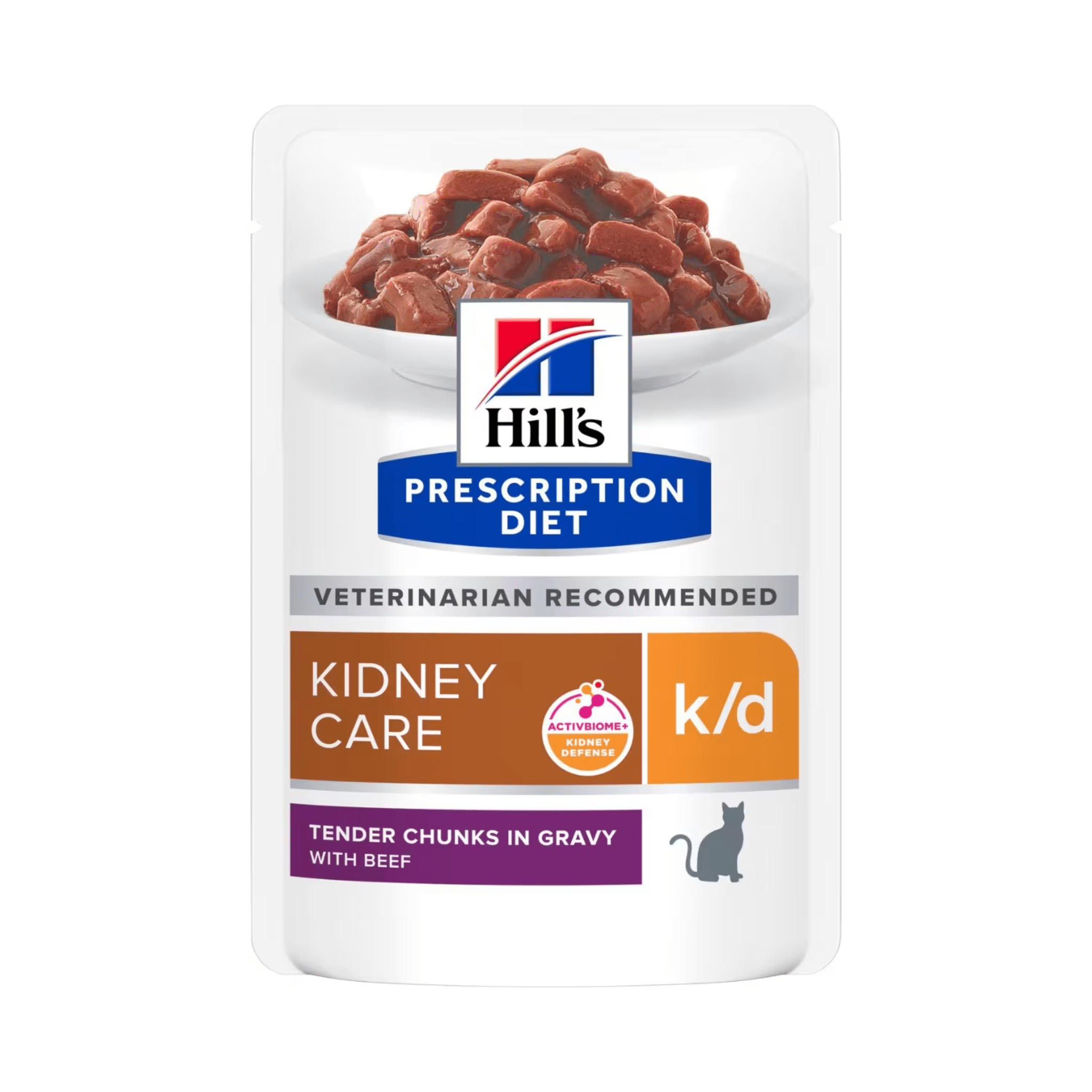
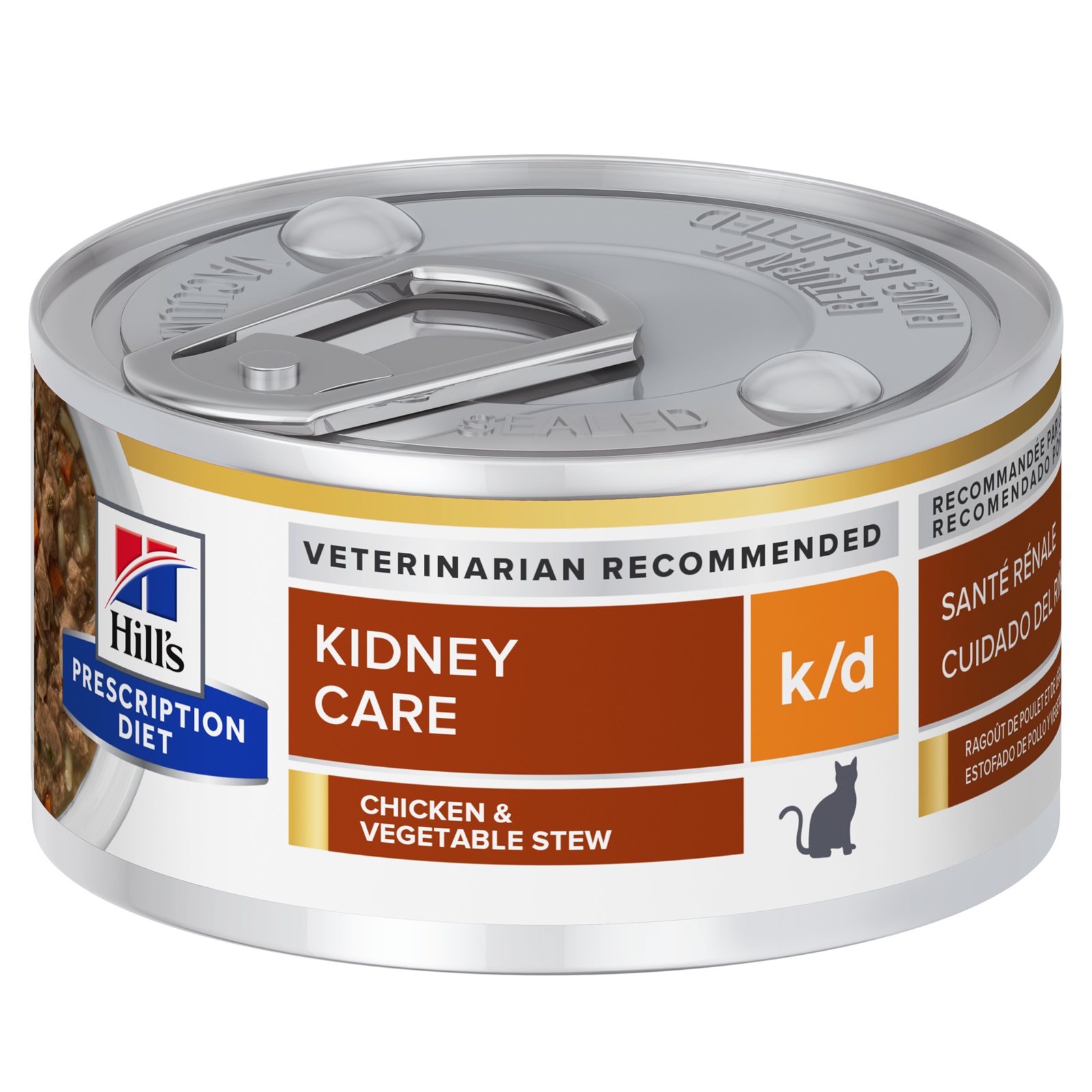
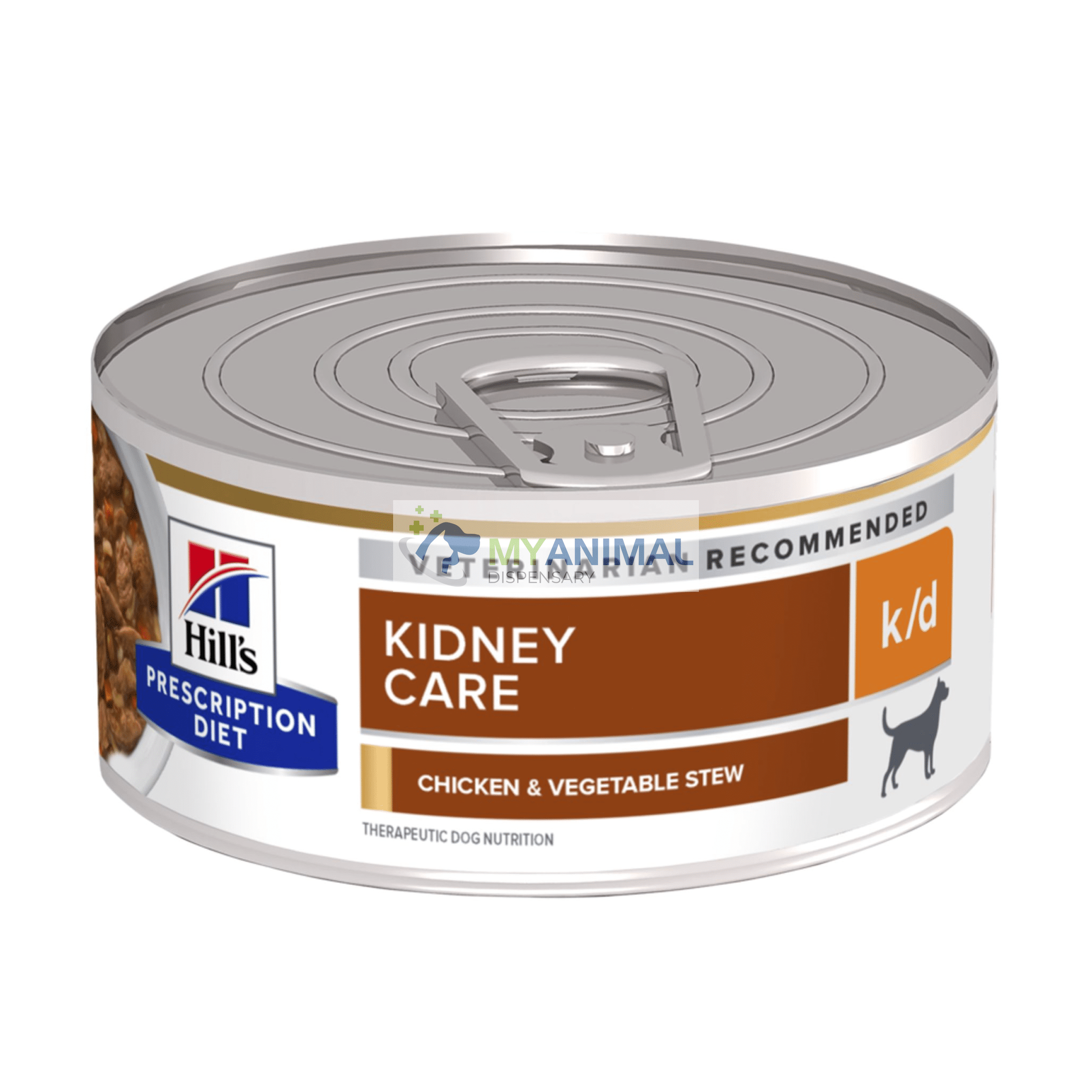
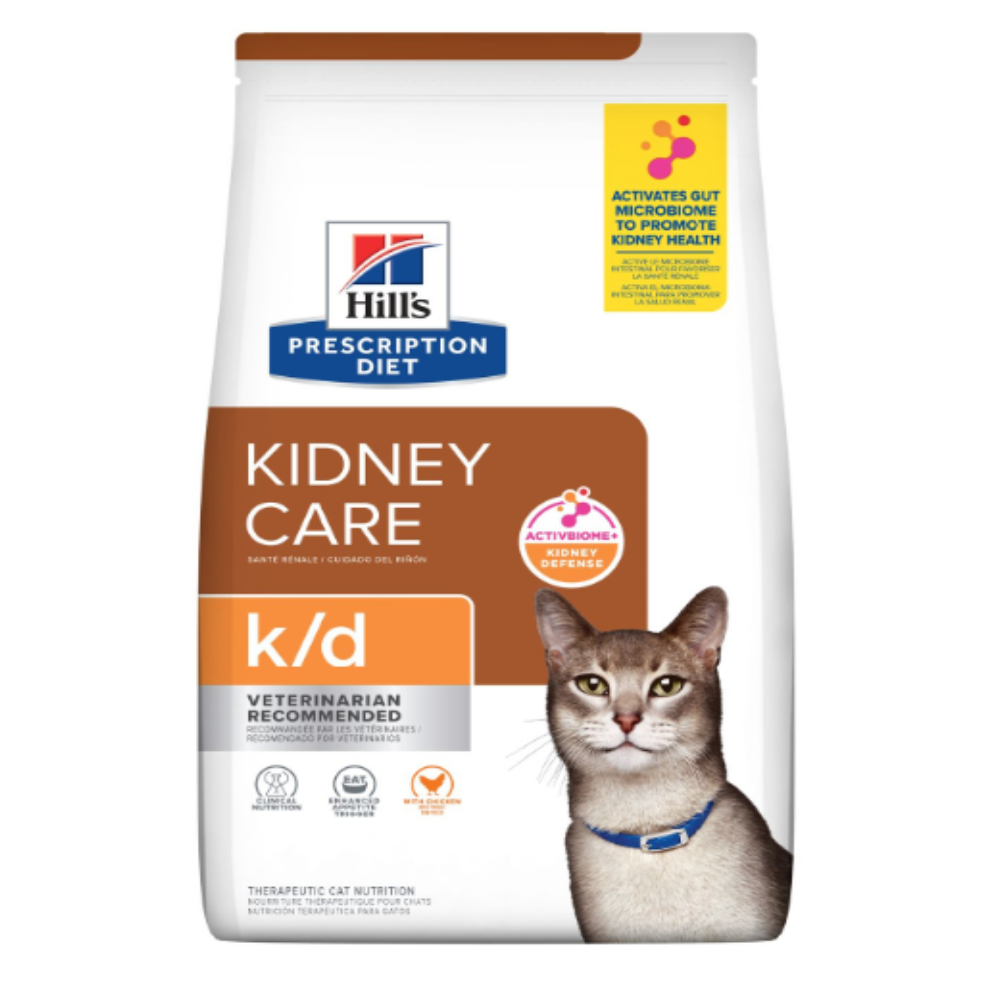
The phrase “hills kidney” resonates deeply with many dog owners, particularly those navigating the challenges of canine renal health. This term primarily references a specialized dietary approach, most notably Hill’s Prescription Diet k/d (Kidney Care), designed to support dogs suffering from kidney disease. Understanding canine kidney function, the implications of renal impairment, and the critical role of therapeutic nutrition is paramount for extending a dog’s quality of life. Kidney disease is a common and often progressive condition in dogs, affecting their ability to filter waste products from the blood, regulate blood pressure, and maintain essential mineral balances. Proactive management and informed dietary choices, such as those associated with “hills kidney” diets, can significantly mitigate symptoms, slow disease progression, and enhance a dog’s overall well-being.
💡 Pet Care Key Takeaways:
- Core Focus: Practical health, nutrition, and wellness guidelines for Hills Kidney.
- Target Scope: Pet owners, animal caregivers, and veterinary support staff.
- Best Recommendation: Maintain consistent daily routines and consult an accredited veterinarian before introducing major diet or medical changes.
Common Causes and Key Factors
Canine kidney disease can manifest in two primary forms: acute kidney injury (AKI) and chronic kidney disease (CKD). Acute injury often results from sudden exposure to toxins (e.g., antifreeze, certain medications, specific plants), severe infections, trauma, or a sudden drop in blood pressure. In contrast, chronic kidney disease develops gradually over months or years, with its onset frequently attributed to a combination of factors. For more related activities, check out our Doggy Day Care Yarraville.
Age is a significant risk factor; older dogs are inherently more susceptible to developing CKD as kidney function naturally declines. Genetic predispositions also play a role, with certain breeds showing a higher incidence of kidney issues. Underlying conditions such as dental disease, which can lead to bacterial infections spreading to the kidneys, hypertension, or other systemic diseases like cancer, can also contribute to kidney damage. Additionally, congenital abnormalities, autoimmune diseases, and even certain dietary imbalances over long periods can impact renal health. Understanding these varied origins helps in both prevention and diagnosis.
Signs and Symptoms to Observe
Recognizing the signs of kidney disease early is crucial, though initial symptoms can be subtle and easily overlooked. As kidney function declines, waste products build up in the bloodstream, leading to a range of observable changes. A common early indicator is increased thirst (polydipsia) accompanied by more frequent and larger volumes of urination (polyuria), as the kidneys lose their ability to concentrate urine efficiently.
Other significant signs include a decrease in appetite, leading to weight loss and muscle wasting. Lethargy, weakness, and a general reduction in activity levels are also frequently observed. Dogs may experience vomiting, diarrhea, or constipation, and their breath might develop an ammonia-like or metallic odor (uremic breath). Changes in coat quality, such as dullness or dryness, can also occur. In more advanced stages, mouth ulcers, anemia, and even neurological symptoms like disorientation or seizures may present. The progression and severity of these signs can vary significantly depending on the dog’s age, breed, and the specific stage of kidney disease.
Practical Solutions and Management Strategies
Managing canine kidney disease primarily revolves around supportive care and dietary modification, often involving specialized foods like Hill’s Prescription Diet k/d. The core principle behind such “hills kidney” diets is to reduce the workload on compromised kidneys while providing complete and balanced nutrition. These therapeutic foods are typically formulated with carefully controlled levels of high-quality protein, which minimizes the production of nitrogenous waste products that the kidneys struggle to excrete.
Crucially, these diets feature restricted phosphorus levels, as excessive phosphorus can contribute to disease progression and mineral imbalances. Sodium content is also often reduced to help manage blood pressure. Enriched with omega-3 fatty acids, these diets aim to support kidney health and reduce inflammation. Maintaining consistent hydration is equally vital; ensuring constant access to fresh water and considering wet food options can help. Medications might be prescribed to manage specific symptoms, such as anti-nausea drugs, phosphorus binders, or medications to control blood pressure or anemia. Regular veterinary check-ups, including blood and urine tests, are essential for monitoring kidney function and adjusting the management plan as needed.
When Professional Help May Be Needed
The diagnosis and management of kidney disease in dogs invariably require professional veterinary intervention. Upon observing any of the aforementioned signssuch as increased thirst, changes in urination, decreased appetite, or lethargya veterinary consultation is imperative. Veterinarians conduct a thorough examination, including blood tests (to assess creatinine, BUN, and phosphorus levels) and urine tests (to evaluate urine specific gravity and proteinuria), to diagnose kidney disease and determine its stage.
Dietary changes, particularly the introduction of a therapeutic food like a “hills kidney” diet, must always be prescribed and closely monitored by a veterinarian. Attempting to manage this complex condition without professional guidance can lead to inappropriate nutrition or missed medical interventions that could significantly impact a dog’s health. In cases of acute kidney injury, or when chronic kidney disease progresses rapidly or severely, immediate veterinary attention or referral to a veterinary internal medicine specialist may be necessary for intensive care and advanced treatment options.
Conclusion
Understanding “hills kidney” as a concept encompassing canine kidney health and its specialized dietary management is a cornerstone of responsible pet ownership. Kidney disease, while challenging, is often manageable with early detection and a committed approach to care. The role of therapeutic diets, exemplified by products like Hill’s Prescription Diet k/d, cannot be overstated in supporting renal function and enhancing a dog’s comfort. Consistent observation for key symptoms, prompt veterinary consultation, and adherence to professional guidance regarding diet and medication form the bedrock of an effective management strategy. Through informed decisions and dedicated care, dog owners can significantly impact their beloved companions’ quality of life, allowing them to thrive even with a chronic condition.
Pet Care & Wellness Overview Table
| Life Stage | Daily Activity Level | Key Nutrition / Care Focus |
|---|---|---|
| Puppy / Kitten | High (frequent short bursts) | High-protein growth diet & early socialization |
| Adult Companion | Moderate (30–60 mins daily) | Balanced maintenance nutrition & dental hygiene |
| Senior Pets | Low to Gentle (mindful walks) | Joint support (Glucosamine) & routine vet checks |
Images References





For more expert pet care tips and advice, check out our dedicated Dog Care guides to keep your companions healthy and happy.


