

Introduction
Maintaining a dog’s health involves a comprehensive understanding of their nutritional needs, especially when managing specific medical conditions. Among the specialized diets available, Hill’s Prescription Diet k/d stands out as a critical tool for veterinary professionals and dog owners. This particular diet is formulated to support dogs diagnosed with kidney disease, also known as renal insufficiency. Kidney disease is a progressive condition where the kidneys lose their ability to filter waste products from the blood effectively. It commonly occurs as dogs age, though other factors can contribute to its onset. Understanding the role and benefits of Hill’s Prescription Diet k/d is paramount for owners whose dogs require kidney support, as appropriate dietary management can significantly improve a dogs well-being, slow disease progression, and enhance overall quality of life.
💡 Pet Care Key Takeaways:
- Core Focus: Practical health, nutrition, and wellness guidelines for Hill's Prescription Diet Kd.
- Target Scope: Pet owners, animal caregivers, and veterinary support staff.
- Best Recommendation: Maintain consistent daily routines and consult an accredited veterinarian before introducing major diet or medical changes.
Common Causes and Key Factors
Canine kidney disease, for which Hill’s Prescription Diet k/d is prescribed, arises from various underlying causes and risk factors. The kidneys are vital organs responsible for filtering blood, producing hormones, and regulating blood pressure and electrolyte balance. When their function declines, waste products build up in the body, leading to systemic health issues. For more related activities, check out our Doggy Day Care Yeovil.
The most prevalent cause of chronic kidney disease in dogs is age-related degeneration, often observed in senior canines. Genetic predispositions also play a role, with certain breeds showing a higher incidence of kidney issues. Acute kidney injury can result from exposure to toxins (such as antifreeze, certain medications, or specific plants), severe infections, trauma, or conditions that reduce blood flow to the kidneys. Over time, these acute injuries can lead to chronic disease. Other chronic conditions, including advanced dental disease, certain autoimmune disorders, and some cancers, can also impact kidney health.
For dogs with compromised kidney function, the key factors addressed by Hill’s Prescription Diet k/d include:
- Controlled Phosphorus Levels: High phosphorus intake can accelerate kidney damage. This diet restricts phosphorus to reduce the burden on struggling kidneys.
- High-Quality, Controlled Protein: While protein is essential, excessive protein can increase the production of nitrogenous waste products. The diet provides precisely the right amount of high-quality protein to maintain muscle mass without overtaxing the kidneys.
- Omega-3 Fatty Acids: These essential fatty acids possess anti-inflammatory properties that can help protect kidney cells and support overall kidney function.
- Antioxidants: Antioxidants combat oxidative stress, which contributes to cellular damage in the kidneys.
- B-Vitamin Complex: Dogs with kidney disease often excrete more water, leading to a loss of water-soluble B vitamins, which the diet replenishes.
- L-Carnitine: Supports healthy fat metabolism and muscle maintenance.
Signs and Symptoms to Observe
Recognizing the signs of kidney disease early is crucial for timely intervention and management with specialized diets like Hill’s Prescription Diet k/d. The symptoms can be subtle in the initial stages and become more pronounced as the disease progresses. Observing changes in a dog’s behavior and physical condition is vital for owners.
Common early indicators include increased thirst (polydipsia) and consequently, increased urination (polyuria). A dog may drink more water than usual or have more accidents indoors. As kidney function declines, other signs may emerge:
- Weight Loss and Muscle Wasting: Despite adequate food intake, a dog may lose weight or appear to have less muscle mass.
- Poor Appetite, Nausea, and Vomiting: The buildup of toxins can cause gastrointestinal upset, leading to reduced interest in food, frequent vomiting, or diarrhea.
- Lethargy and Weakness: A dog may become less active, sleep more, or show a general lack of energy.
- Bad Breath (Uremic Breath): The accumulation of waste products can give a dog’s breath a distinct, unpleasant ammonia-like odor.
- Changes in Coat Quality: The coat may appear dull, dry, or unkempt due to poor nutrient absorption and overall declining health.
- Oral Ulcers: In advanced stages, mouth sores or ulcers can develop.
These signs can vary depending on the dog’s age, breed, and the stage of kidney disease. Prompt veterinary attention is recommended if any of these symptoms are observed.
Practical Solutions and Management Strategies
The cornerstone of managing chronic kidney disease in dogs is dietary modification, with Hill’s Prescription Diet k/d often being a primary recommendation. This specialized food is precisely formulated to minimize the progression of kidney damage and alleviate associated symptoms.
The practical application of this diet involves several key strategies:
- Strict Adherence to the Diet: It is imperative that Hill’s Prescription Diet k/d is the sole source of nutrition. Introducing other foods, treats, or table scraps that are not kidney-friendly can counteract the benefits of the specialized diet. Any supplementary items should only be given under veterinary guidance.
- Gradual Food Transition: When switching to Hill’s Prescription Diet k/d, a gradual transition over 7-10 days is recommended. This involves mixing increasing amounts of the new food with decreasing amounts of the old food to prevent digestive upset.
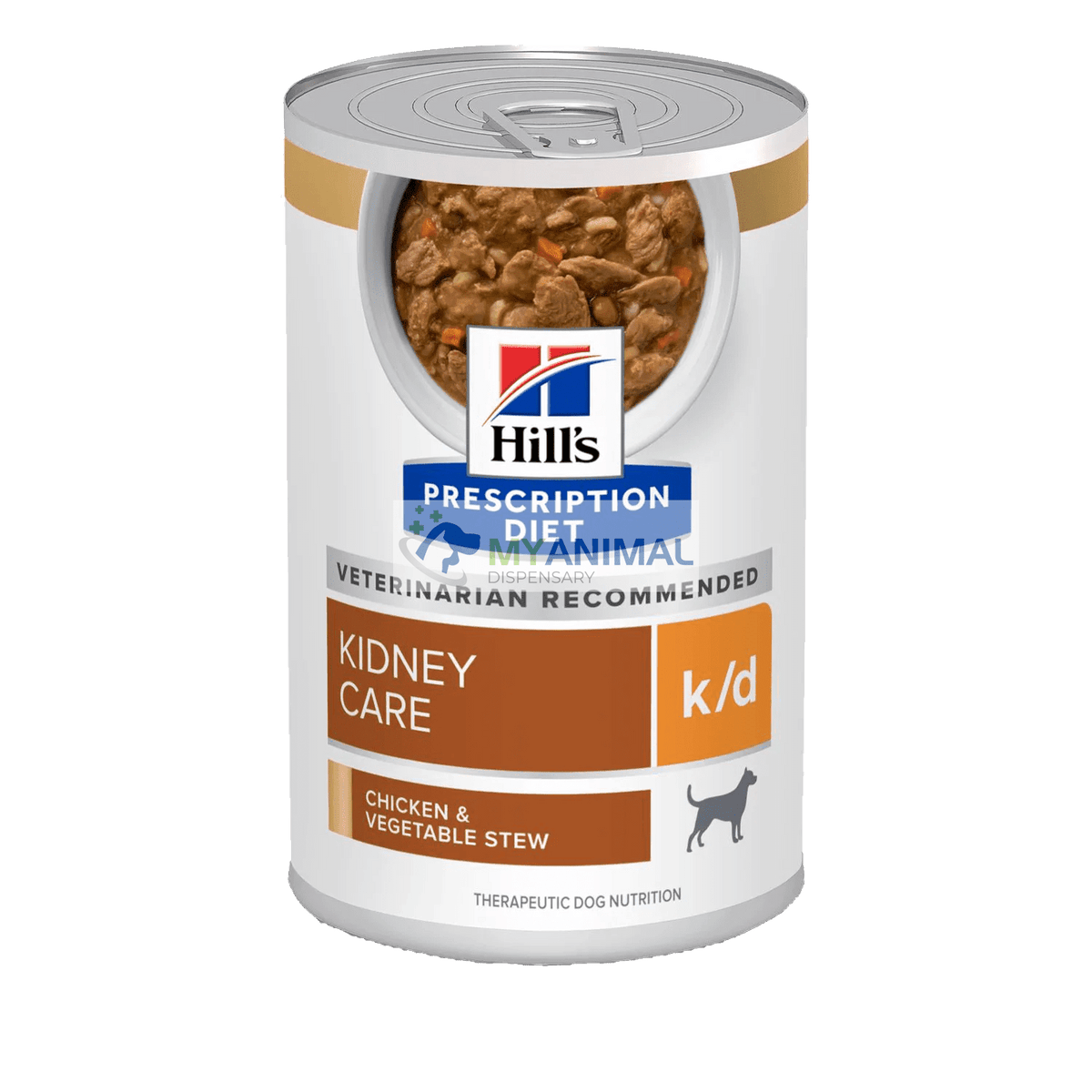
- Ensuring Adequate Water Intake: Dogs with kidney disease need constant access to fresh, clean water. Encouraging hydration helps the kidneys process what little they can. The canned versions of k/d can also contribute to increased water intake.
- Regular Feeding Schedule: Maintaining a consistent feeding routine can help manage appetite and digestion. Small, frequent meals may be better tolerated than large ones for some dogs.
- Monitoring Food Consumption: Owners should carefully monitor how much their dog eats to ensure adequate caloric intake and adjust feeding amounts as directed by a veterinarian.
- Maintaining Oral Hygiene: Good dental health is crucial, as severe dental disease can exacerbate kidney issues. Regular dental check-ups are important.
The success of Hill’s Prescription Diet k/d relies heavily on consistent implementation and close observation of a dogs response to the diet.
When Professional Help May Be Needed
Managing kidney disease with Hill’s Prescription Diet k/d is fundamentally a partnership between the dog owner and a veterinary professional. Veterinary consultation is not merely recommended but is an absolute necessity at multiple stages of the process.
Firstly, a definitive diagnosis of kidney disease can only be made by a veterinarian through a combination of blood tests (e.g., BUN, creatinine, phosphorus levels, SDMA) and urine analysis. These tests help determine the stage and severity of the condition. Secondly, Hill’s Prescription Diet k/d is a veterinary therapeutic diet and requires a prescription. It is not an over-the-counter food, as its specific formulation is designed for medical management and may not be suitable for healthy dogs.
Professional guidance is also essential for monitoring the effectiveness of the diet and the overall progression of the disease. Regular follow-up appointments, including repeat blood and urine tests, allow the veterinarian to assess how well the diet is working, make any necessary adjustments to the treatment plan, and address any new symptoms. If a dog’s symptoms worsen despite being on the specialized diet, or if new alarming signs like severe lethargy, complete loss of appetite, or persistent vomiting occur, immediate veterinary attention is warranted. In some cases, dietary management may be part of a broader multimodal treatment plan that includes medications, fluid therapy, or other interventions to support kidney function and quality of life.
Conclusion
Hill’s Prescription Diet k/d serves as a vital dietary intervention for dogs afflicted with kidney disease. Its scientifically formulated composition, featuring controlled phosphorus and protein, along with beneficial omega-3 fatty acids and antioxidants, is designed to support compromised kidney function, slow disease progression, and enhance a dog’s comfort. The importance of early detection of kidney disease symptoms cannot be overstated, as timely veterinary diagnosis and the implementation of a specialized diet like k/d can dramatically impact a dog’s prognosis. Consistent adherence to the dietary regimen and close collaboration with veterinary professionals are crucial for successful management. Through informed choices and dedicated care, owners can provide their beloved companions with the best possible quality of life, even in the face of chronic kidney challenges.
Pet Care & Wellness Overview Table
| Life Stage | Daily Activity Level | Key Nutrition / Care Focus |
|---|---|---|
| Puppy / Kitten | High (frequent short bursts) | High-protein growth diet & early socialization |
| Adult Companion | Moderate (30–60 mins daily) | Balanced maintenance nutrition & dental hygiene |
| Senior Pets | Low to Gentle (mindful walks) | Joint support (Glucosamine) & routine vet checks |
Images References



For more expert pet care tips and advice, check out our dedicated Dog Care guides to keep your companions healthy and happy.


