

Introduction
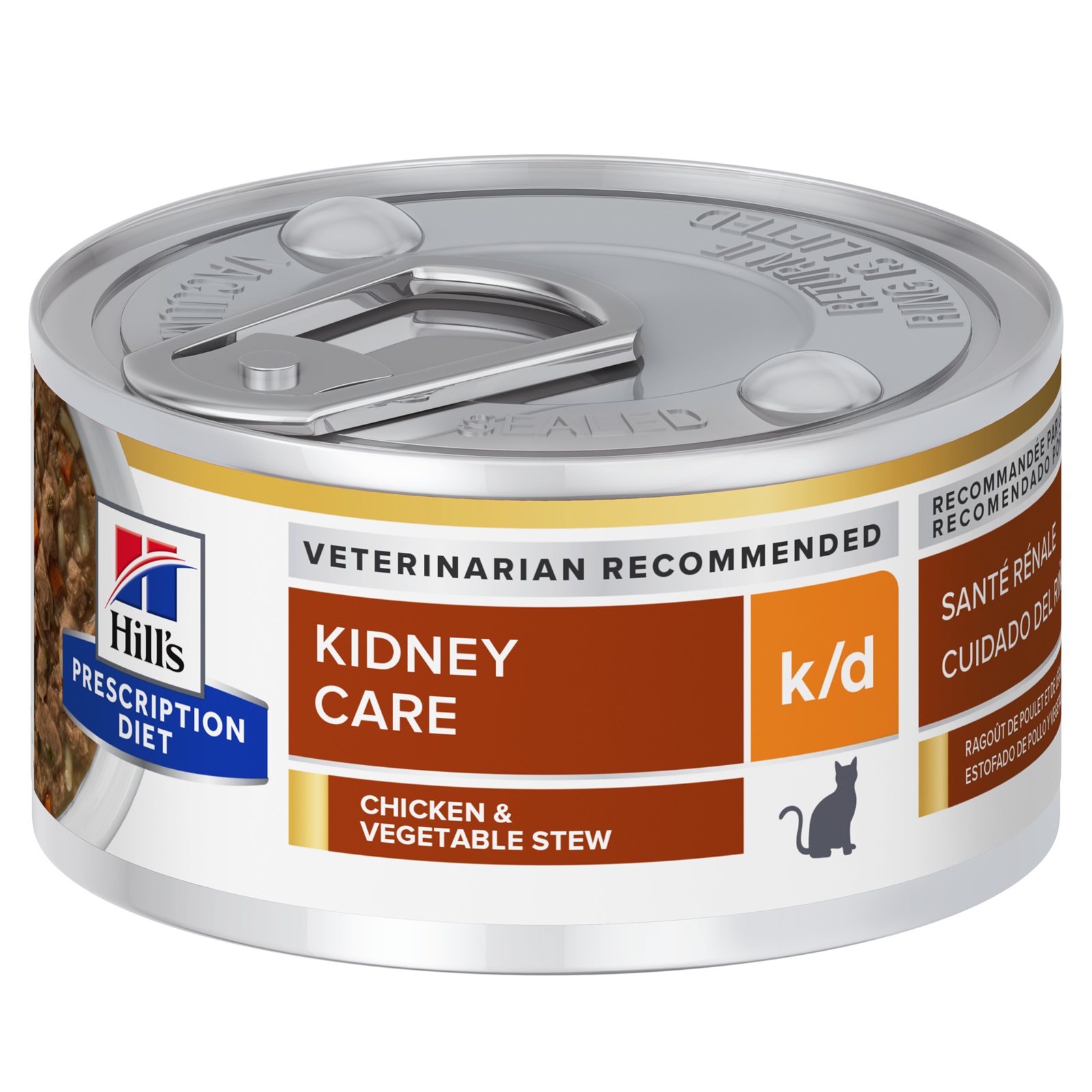
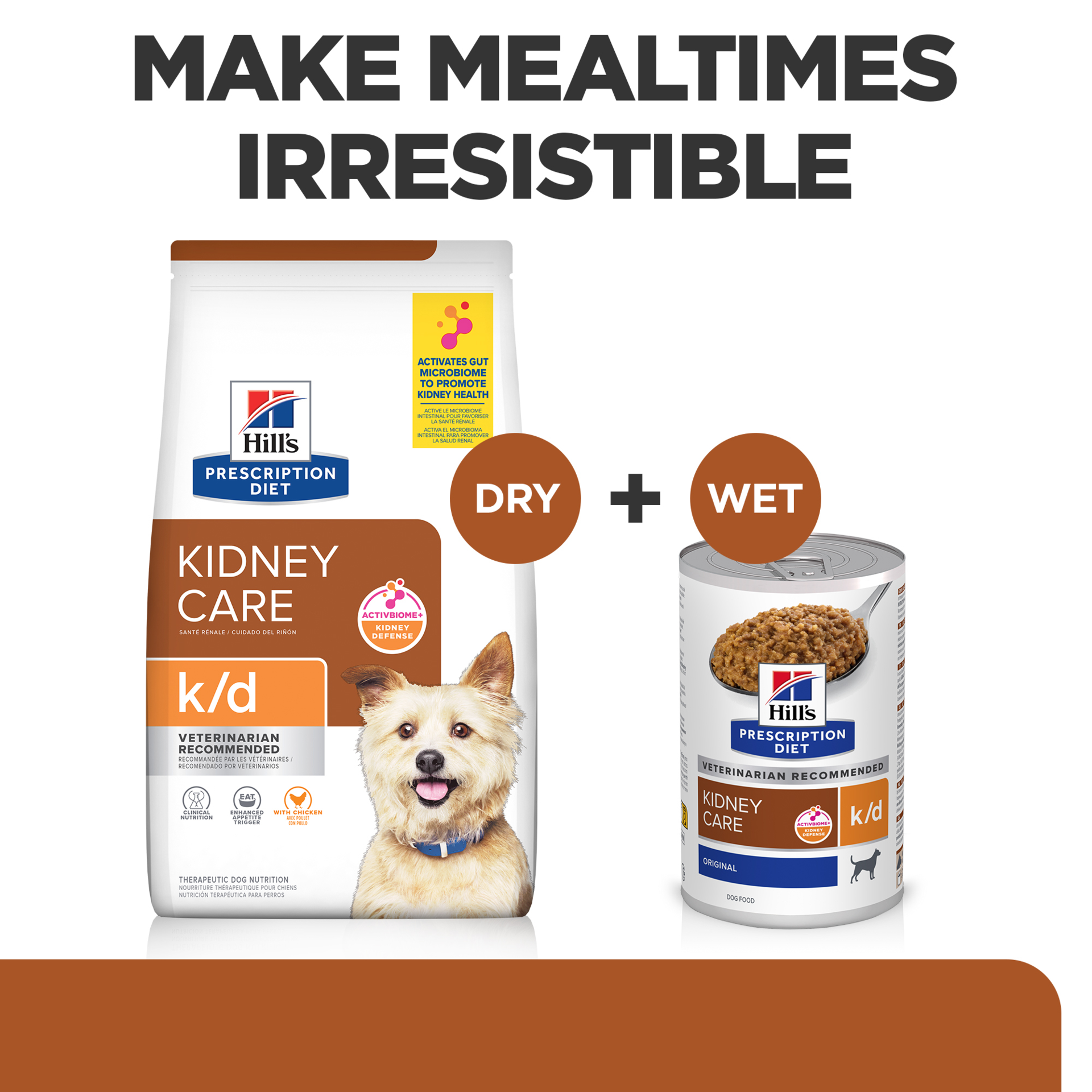
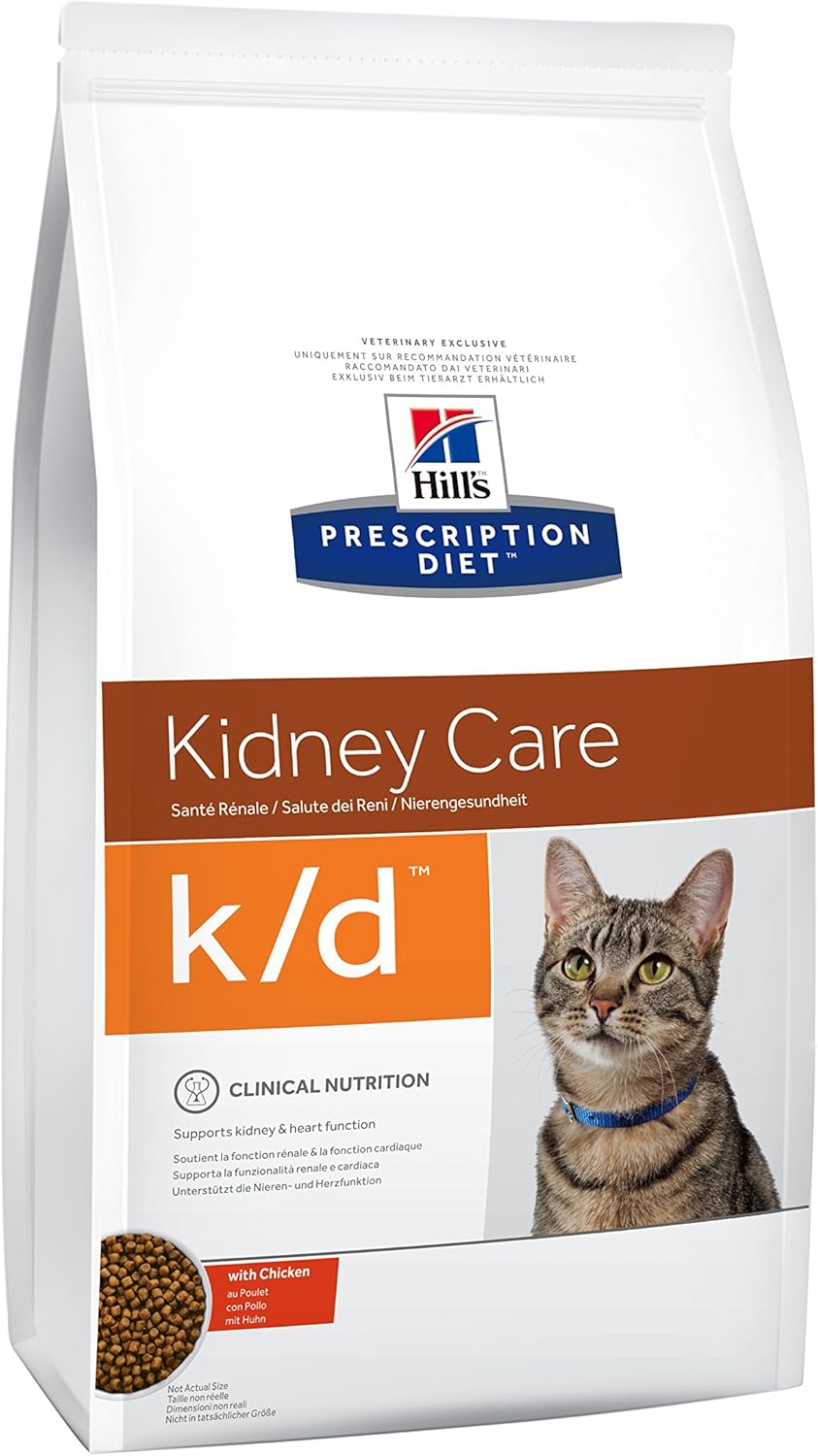
Understanding a dog’s nutritional needs is fundamental to its long-term health, and this becomes especially critical when managing specific medical conditions. The term “hills renal diet” refers specifically to a specialized therapeutic food formulation developed by Hill’s Pet Nutrition, designed to support dogs diagnosed with kidney disease, also known as renal disease. This particular diet, primarily Hill’s Prescription Diet k/d, is a cornerstone in the veterinary management of compromised kidney function. Kidney disease is a prevalent and often progressive condition, particularly in older dogs, where the kidneys’ ability to filter waste products from the blood becomes impaired. Recognizing the pivotal role of nutrition in mitigating the progression of this illness and alleviating its symptoms empowers dog owners to significantly enhance their companion’s comfort and overall quality of life.
💡 Pet Care Key Takeaways:
- Core Focus: Practical health, nutrition, and wellness guidelines for Hills Renal Diet.
- Target Scope: Pet owners, animal caregivers, and veterinary support staff.
- Best Recommendation: Maintain consistent daily routines and consult an accredited veterinarian before introducing major diet or medical changes.
Common Causes and Key Factors
Canine kidney disease manifests in two primary forms: acute, characterized by a sudden onset, and chronic, which develops gradually over time. While acute kidney failure can be triggered by exposure to toxins (such as antifreeze or certain human medications), severe infections (like leptospirosis), or significant trauma, chronic kidney disease is far more common, especially in aging dogs. For more related activities, check out our Doggy Day Care Yeovil.
Several factors contribute to the development and progression of chronic kidney disease. Advancing age is a significant risk factor, as kidney function naturally declines over the years. Genetic predispositions also play a role, with certain breeds showing a higher susceptibility, including Bull Terriers, Samoyeds, and Cocker Spaniels. Other underlying health issues, such as dental disease, Lyme disease, pancreatitis, or high blood pressure, can also place additional strain on the kidneys or contribute to their damage. When the kidneys are compromised, they struggle to efficiently remove waste products, leading to a buildup of toxins in the bloodstream. A conventional diet, often high in protein and phosphorus, can exacerbate this problem by increasing the workload on already failing kidneys, accelerating disease progression, and intensifying symptoms.
Signs and Symptoms to Observe
Recognizing the early signs of kidney disease can be challenging, as symptoms often develop gradually and can be subtle in their initial stages. As the disease progresses, observable indicators typically become more pronounced.
One of the most common and earliest signs is an increase in thirst (polydipsia) accompanied by more frequent or increased urination (polyuria). This occurs because the kidneys lose their ability to concentrate urine effectively. Other significant symptoms include a noticeable decrease in appetite, often leading to weight loss and muscle wasting. Affected dogs may also exhibit lethargy, weakness, and a general lack of energy. Gastrointestinal upset, such as vomiting and diarrhea, can also occur due to the accumulation of toxins in the body. A dog’s coat quality might deteriorate, appearing dull or unkempt, and bad breath, often described as an ammonia-like or metallic odor (uremic breath), can be a strong indicator. In some advanced cases, oral ulcers may develop. The severity and combination of these signs can vary depending on the stage of the disease and the individual dog’s physiology.
Practical Solutions and Management Strategies
Managing canine kidney disease primarily revolves around supportive care, and a specialized therapeutic diet like the Hill’s renal diet plays a critical role in this strategy. This diet is meticulously formulated to mitigate the progression of the disease and minimize associated symptoms by reducing the demands placed on the kidneys.
The core principles of a Hill’s renal diet include controlled levels of high-quality protein. This ensures the dog receives adequate protein to maintain muscle mass without creating an excessive burden of waste products for the kidneys to filter. Significantly reduced phosphorus content is another key feature, as phosphorus restriction is crucial for slowing the progression of kidney disease and preventing secondary complications. The diet is also enriched with omega-3 fatty acids, known for their anti-inflammatory properties, which can help support kidney health. Additionally, it contains a precise blend of antioxidants to combat oxidative stress, L-carnitine to support lean muscle mass, and increased B-vitamins to replenish those lost through increased urination. Controlled sodium levels help manage blood pressure, which is often elevated in dogs with kidney disease.
When transitioning a dog to a renal diet, it is advisable to do so gradually over 7 to 10 days, mixing increasing proportions of the new food with decreasing amounts of the old. This helps prevent digestive upset and encourages acceptance of the new diet. Owners must adhere strictly to veterinary recommendations regarding portion sizes. Ensuring constant access to fresh, clean water is paramount, as hydration is vital for kidney function. The renal diet often forms part of a broader treatment plan, which may include medications, fluid therapy, or other supportive measures determined by a veterinarian.
When Professional Help May Be Needed
The diagnosis and management of kidney disease, and consequently the prescription of a specific renal diet, always require professional veterinary intervention. Kidney disease cannot be self-diagnosed, and therapeutic diets like the Hill’s renal diet are available by prescription only, emphasizing the necessity of veterinary oversight.
Regular veterinary check-ups are essential for dogs on a renal diet. These appointments typically involve blood tests to monitor kidney values (such as BUN and creatinine), urine analysis, and blood pressure measurements. These evaluations help the veterinarian assess the diet’s effectiveness, make necessary adjustments to the treatment plan, and monitor the disease’s progression. Should a dog’s symptoms worsen, or if new signs of illness appear despite being on the prescribed diet, immediate veterinary attention is warranted. Furthermore, if a dog shows reluctance or refusal to eat the prescribed renal diet, a veterinarian can offer alternative strategies, different formulations, or appetite stimulants to ensure the dog receives adequate nutrition.
Conclusion
The Hill’s renal diet represents a vital nutritional cornerstone in the comprehensive management of canine kidney disease. This specialized food is precisely formulated to alleviate the demands on compromised kidneys, helping to slow disease progression and improve a dog’s overall well-being. Early detection of kidney issues, a definitive diagnosis by a veterinary professional, and consistent adherence to the prescribed dietary regimen are paramount to maximizing a dog’s quality of life. By understanding the critical role of this therapeutic nutrition and working closely with a veterinarian, owners are empowered to provide the best possible care for their canine companions facing the challenges of kidney disease.
Pet Care & Wellness Overview Table
| Life Stage | Daily Activity Level | Key Nutrition / Care Focus |
|---|---|---|
| Puppy / Kitten | High (frequent short bursts) | High-protein growth diet & early socialization |
| Adult Companion | Moderate (30–60 mins daily) | Balanced maintenance nutrition & dental hygiene |
| Senior Pets | Low to Gentle (mindful walks) | Joint support (Glucosamine) & routine vet checks |
Images References



For more expert pet care tips and advice, check out our dedicated Dog Care guides to keep your companions healthy and happy.


