

Introduction
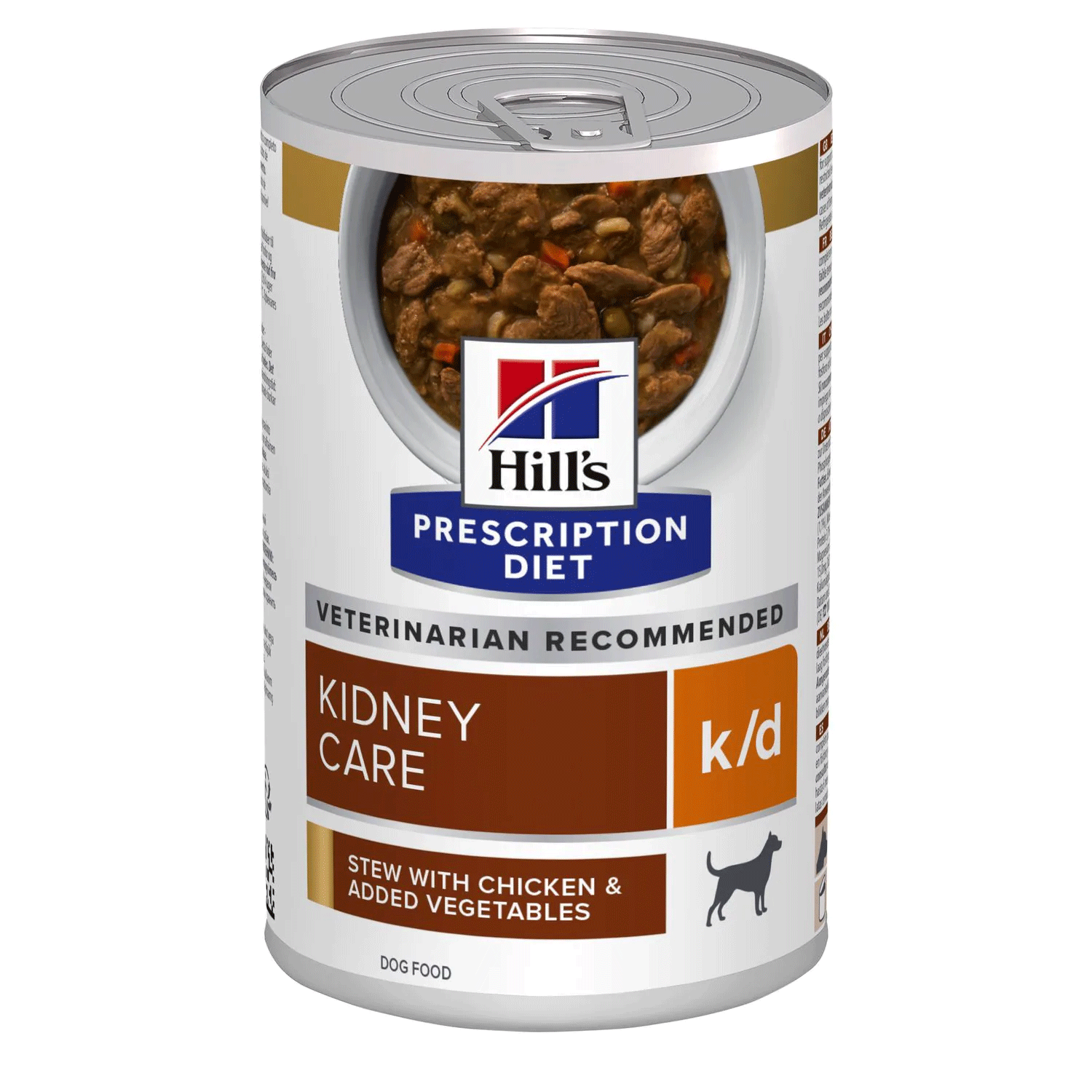
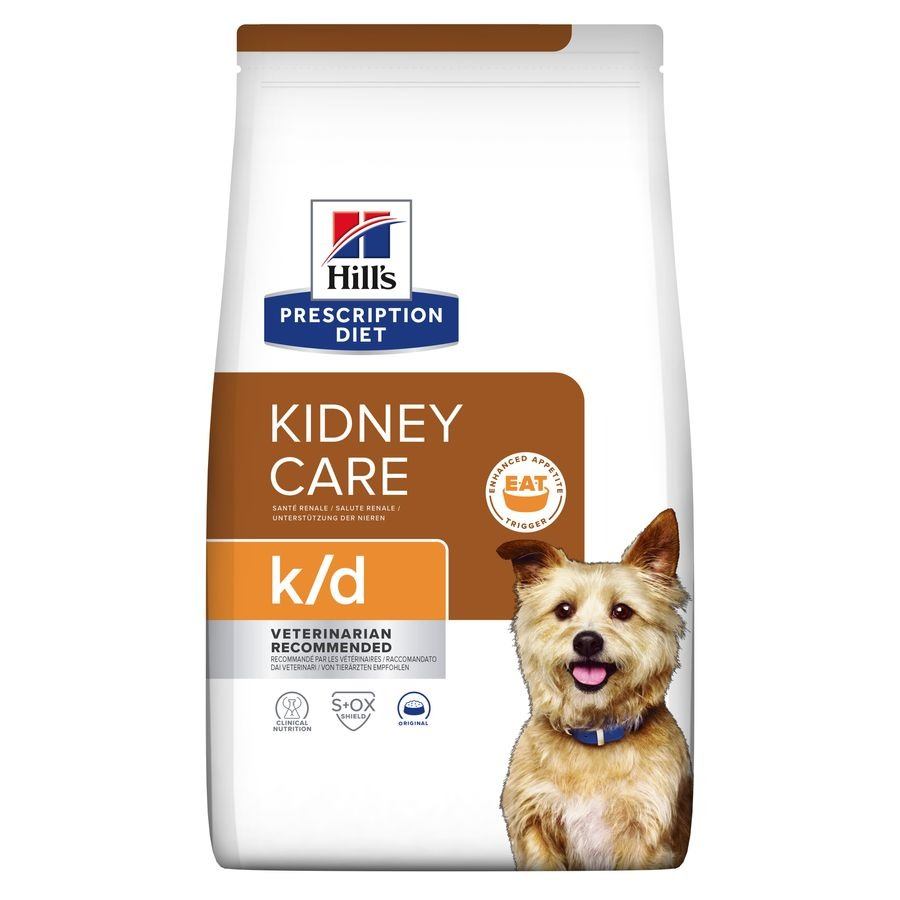
The dietary management of canine health conditions is a critical aspect of responsible pet ownership. For dogs facing specific health challenges, specialized nutrition can significantly impact well-being and longevity. Hills renal dog food represents a category of therapeutic diets specifically formulated to support dogs with kidney disease, also known as renal disease. This condition, which can be acute or chronic, affects the kidneys’ ability to filter waste products from the blood and maintain fluid and electrolyte balance. Understanding the purpose and benefits of a prescription renal diet is crucial for dog owners, as proper nutritional support can help manage the progression of kidney disease, alleviate symptoms, and ultimately improve a dogs overall quality of life.
💡 Pet Care Key Takeaways:
- Core Focus: Practical health, nutrition, and wellness guidelines for Hills Renal Dog Food.
- Target Scope: Pet owners, animal caregivers, and veterinary support staff.
- Best Recommendation: Maintain consistent daily routines and consult an accredited veterinarian before introducing major diet or medical changes.
Common Causes and Key Factors
Kidney disease in dogs can stem from various underlying causes, making it a complex condition requiring careful management. Factors such as advanced age frequently contribute to the development of chronic kidney disease (CKD), as the kidneys naturally experience wear and tear over time. Genetic predispositions also play a role, with certain breeds showing a higher susceptibility to kidney issues. Acute kidney injury (AKI) can result from sudden exposure to toxins, severe infections, trauma, or certain medications. Over time, these conditions can impair kidney function, leading to a build-up of waste products in the bloodstream. When kidney function declines significantly, the organ struggles to perform its vital roles, necessitating a specialized diet like Hills renal dog food to reduce the workload on the kidneys and provide appropriate nutrients. For more related activities, check out our Doggy Day Care Yeovil.
Signs and Symptoms to Observe
Recognizing the early signs of kidney disease is paramount for timely intervention and effective management. Observable indicators often include an increase in thirst (polydipsia) and a corresponding increase in urination (polyuria), as the compromised kidneys struggle to concentrate urine. Dogs may also exhibit a noticeable decrease in appetite, leading to weight loss and muscle wasting. Other common signs include lethargy, weakness, and a general reduction in activity levels. Vomiting, diarrhea, and a dull, poor-quality coat can also manifest as the disease progresses and toxins accumulate in the body. These symptoms can vary in intensity depending on the stage of the disease, the dog’s age, and overall health status.
Practical Solutions and Management Strategies
Managing kidney disease in dogs primarily revolves around supportive care, with a specialized diet playing a central role. Hills renal dog food is specifically formulated to address the nutritional needs of dogs with compromised kidney function. Key features of these diets include controlled levels of high-quality protein, which helps reduce the production of nitrogenous waste products that healthy kidneys would typically filter. Phosphorus content is carefully restricted to slow the progression of kidney damage, as elevated phosphorus levels are common in kidney disease. Sodium levels are also controlled to help manage blood pressure and fluid retention. Additionally, these diets often incorporate increased levels of omega-3 fatty acids to support kidney health and reduce inflammation, along with antioxidants to combat oxidative stress. A gradual transition to the new food, typically over 7-10 days, helps prevent digestive upset. Consistent access to fresh water is also vital to encourage hydration and support kidney function.
When Professional Help May Be Needed
The diagnosis and management of kidney disease in dogs absolutely require professional veterinary involvement. Hills renal dog food is a therapeutic diet, meaning it should only be fed under the guidance and prescription of a veterinarian. A definitive diagnosis of kidney disease is established through comprehensive veterinary examination, including blood tests (to assess kidney values like BUN and creatinine) and urinalysis (to check urine specific gravity and protein levels). Regular follow-up appointments are essential for monitoring the dog’s kidney function, adjusting the dietary plan as needed, and addressing any new or worsening symptoms. Attempting to manage kidney disease with over-the-counter diets or without veterinary oversight can have serious health implications for an affected dog.
Conclusion
Specialized nutrition, such as that provided by Hills renal dog food, is an indispensable component in the comprehensive management of canine kidney disease. This tailored dietary approach significantly contributes to mitigating the effects of kidney dysfunction and enhancing a dog’s comfort and quality of life. Awareness of the signs and symptoms of kidney disease, coupled with prompt veterinary consultation, allows for early diagnosis and the implementation of appropriate therapeutic strategies. The careful balance of nutrients in renal diets supports kidney function, reduces strain on the organs, and helps manage the clinical signs associated with the condition. By partnering with a veterinarian and adhering to prescribed dietary guidelines, dog owners can provide optimal care for their companions living with kidney disease, demonstrating a profound commitment to their pet’s long-term health and happiness.
Pet Care & Wellness Overview Table
| Life Stage | Daily Activity Level | Key Nutrition / Care Focus |
|---|---|---|
| Puppy / Kitten | High (frequent short bursts) | High-protein growth diet & early socialization |
| Adult Companion | Moderate (30–60 mins daily) | Balanced maintenance nutrition & dental hygiene |
| Senior Pets | Low to Gentle (mindful walks) | Joint support (Glucosamine) & routine vet checks |
Images References




For more expert pet care tips and advice, check out our dedicated Dog Care guides to keep your companions healthy and happy.


