

Introduction
Ensuring optimal “joint care for dogs” is a fundamental aspect of responsible pet ownership, directly impacting a canine companion’s comfort, mobility, and overall quality of life. This vital area of veterinary science and husbandry focuses on maintaining the health and functionality of a dog’s joints, which are crucial for every movement, from a playful leap to a simple walk. Joint issues commonly emerge with age, due to breed-specific predispositions, or as a result of injury or lifestyle factors. A proactive and informed approach to understanding and managing canine joint health can significantly enhance a dog’s well-being, helping to sustain activity levels, reduce discomfort, and support a happier, more active existence throughout its life.
💡 Pet Care Key Takeaways:
- Core Focus: Practical health, nutrition, and wellness guidelines for Joint Care For Dogs.
- Target Scope: Pet owners, animal caregivers, and veterinary support staff.
- Best Recommendation: Maintain consistent daily routines and consult an accredited veterinarian before introducing major diet or medical changes.
Common Causes and Key Factors
Various elements contribute to the development of joint problems in dogs, necessitating diligent “joint care for dogs” throughout their lives. One of the most prevalent factors is aging. As dogs grow older, the cartilage cushioning their joints naturally degrades, leading to conditions like osteoarthritis, characterized by pain and stiffness. For more related activities, check out our Doggy Day Care Uxbridge.
Breed predisposition plays a significant role. Large and giant breeds, such as German Shepherds, Labradors, and Golden Retrievers, are often genetically prone to hip and elbow dysplasia. Smaller breeds, including Chihuahuas and Yorkshire Terriers, can be susceptible to patellar luxation, where the kneecap slips out of place.
Obesity is another critical contributor. Excess body weight places undue stress on a dogs joints, accelerating cartilage wear and exacerbating existing conditions. Maintaining a healthy weight is therefore paramount in any “joint care for dogs” regimen.
Trauma and injury, such as fractures, sprains, or ligament tears from accidents or vigorous play, can directly damage joints and predispose them to long-term issues. Similarly, genetics can influence a dog’s susceptibility to various joint diseases, with certain inherited conditions impacting joint development and integrity.
Finally, inadequate nutrition or a diet lacking essential nutrients can impair joint health over time, while excessive or inappropriate exercise during developmental stages can also lead to orthopedic problems.
Signs and Symptoms to Observe
Recognizing the early indicators of joint discomfort is paramount for effective “joint care for dogs.” Owners should observe for subtle changes in a dogs movement and behavior, which often serve as the initial signals of underlying joint issues.
Changes in gait are frequently noticed, manifesting as limping, stiffness, or a hesitant, unnatural walk, particularly after periods of rest or upon waking. Some dogs may adopt a “bunny hopping” motion when running, lifting both hind legs simultaneously.
A reduced willingness to engage in familiar activities is another key sign. This might include reluctance to jump onto furniture, climb stairs, run, or play fetch. A dog that once loved long walks may now lag behind or tire quickly.
Difficulty rising after lying down for an extended period, or struggling to lie down comfortably, can indicate joint pain. Similarly, a noticeable stiffness in movement, especially in colder weather, is a common symptom.
Dogs experiencing joint pain may also exhibit behavioral changes, such as increased irritability, aggression when touched, or a withdrawn demeanor. Some may excessively lick, chew, or guard an affected joint area. Owners might also observe muscle atrophy around the affected limbs, where muscles appear thinner due to disuse. In more advanced cases, visible swelling or warmth around a joint might be present. These signs can vary in intensity and presentation depending on a dogs age, breed, and the specific joint condition.
Practical Solutions and Management Strategies
Effective “joint care for dogs” involves a multifaceted approach that integrates lifestyle adjustments, nutritional support, and environmental modifications. Implementing these strategies can significantly alleviate discomfort and improve a dog’s mobility and overall well-being.
Weight management stands as one of the most crucial interventions. Ensuring a dog maintains a healthy weight dramatically reduces the load on its joints, slowing the progression of degenerative conditions. Regular monitoring of body condition and adjusting caloric intake are essential.
Appropriate exercise is vital but must be tailored to a dog’s individual condition. Low-impact activities, such as swimming, short walks on soft surfaces, or controlled leash walks, are often recommended over high-impact exercises like vigorous jumping or extensive running on hard ground. Consistency is key, often more beneficial than sporadic intense activity.
Nutritional support plays a significant role. Many commercially available dog foods formulated for senior dogs or those with joint issues include beneficial ingredients. Additionally, joint supplements containing glucosamine, chondroitin, MSM, and omega-3 fatty acids can help support cartilage health and reduce inflammation. Consulting with a veterinarian about appropriate supplements and dosages is always advised.
Creating a comfortable home environment can greatly assist dogs with joint issues. Providing orthopedic beds offers better support, while ramps or steps can help a dog access elevated areas without strenuous jumping. Non-slip rugs or runners on slick floors can prevent slips and falls that might exacerbate joint pain. Keeping a dog warm, especially in cooler climates, can also help mitigate stiffness.
In some cases, physical therapy techniques, including therapeutic exercises, massage, or hydrotherapy, guided by a qualified professional, can significantly improve flexibility and muscle strength around affected joints.
When Professional Help May Be Needed
While many aspects of “joint care for dogs” can be managed at home, recognizing when to seek veterinary intervention is crucial for ensuring a dog receives the most appropriate and effective treatment. Professional guidance becomes necessary in several key situations.
Persistent or worsening limping, lameness, or a noticeable change in gait that does not resolve within a day or two warrants a veterinary consultation. Any sudden onset of severe pain, an inability to bear weight on a limb, or a dog crying out when a joint is touched are immediate concerns requiring professional assessment.
Visible swelling, heat, or any deformity of a joint should prompt a visit to the veterinarian, as these can indicate acute injury, infection, or advanced degenerative disease. If a dog’s behavior changes dramatically due to pain, such as increased aggression, withdrawal, or loss of appetite, these are strong indicators that discomfort has become significant and requires medical attention.
Furthermore, if a dog has been diagnosed with a specific joint condition like arthritis, hip dysplasia, or patellar luxation, regular veterinary check-ups are essential to monitor the condition’s progression and adjust the management plan as needed. A veterinarian can provide an accurate diagnosis, recommend appropriate pain management strategies, prescribe anti-inflammatory medications, discuss advanced therapies such as injections or regenerative medicine, or evaluate the need for surgical intervention. Responsible owners understand that while home care is vital, a veterinarian offers the expertise and resources necessary for optimal joint health outcomes.
Conclusion
“Joint care for dogs” is an ongoing commitment that profoundly influences a dog’s health, happiness, and longevity. By understanding the common causes of joint issues, diligently observing for subtle signs of discomfort, and proactively implementing practical management strategies, owners can make a substantial positive impact on their canine companions’ lives. A holistic approach encompassing appropriate nutrition, weight management, tailored exercise, and a supportive environment forms the bedrock of effective joint care. Ultimately, working collaboratively with a veterinarian ensures that a dog receives individualized attention and the most advanced treatments available. Through consistent vigilance and dedicated care, owners can help their beloved dogs maintain mobility, alleviate pain, and enjoy a fulfilling, active life for many years to come.
Pet Care & Wellness Overview Table
| Life Stage | Daily Activity Level | Key Nutrition / Care Focus |
|---|---|---|
| Puppy / Kitten | High (frequent short bursts) | High-protein growth diet & early socialization |
| Adult Companion | Moderate (30–60 mins daily) | Balanced maintenance nutrition & dental hygiene |
| Senior Pets | Low to Gentle (mindful walks) | Joint support (Glucosamine) & routine vet checks |
Images References




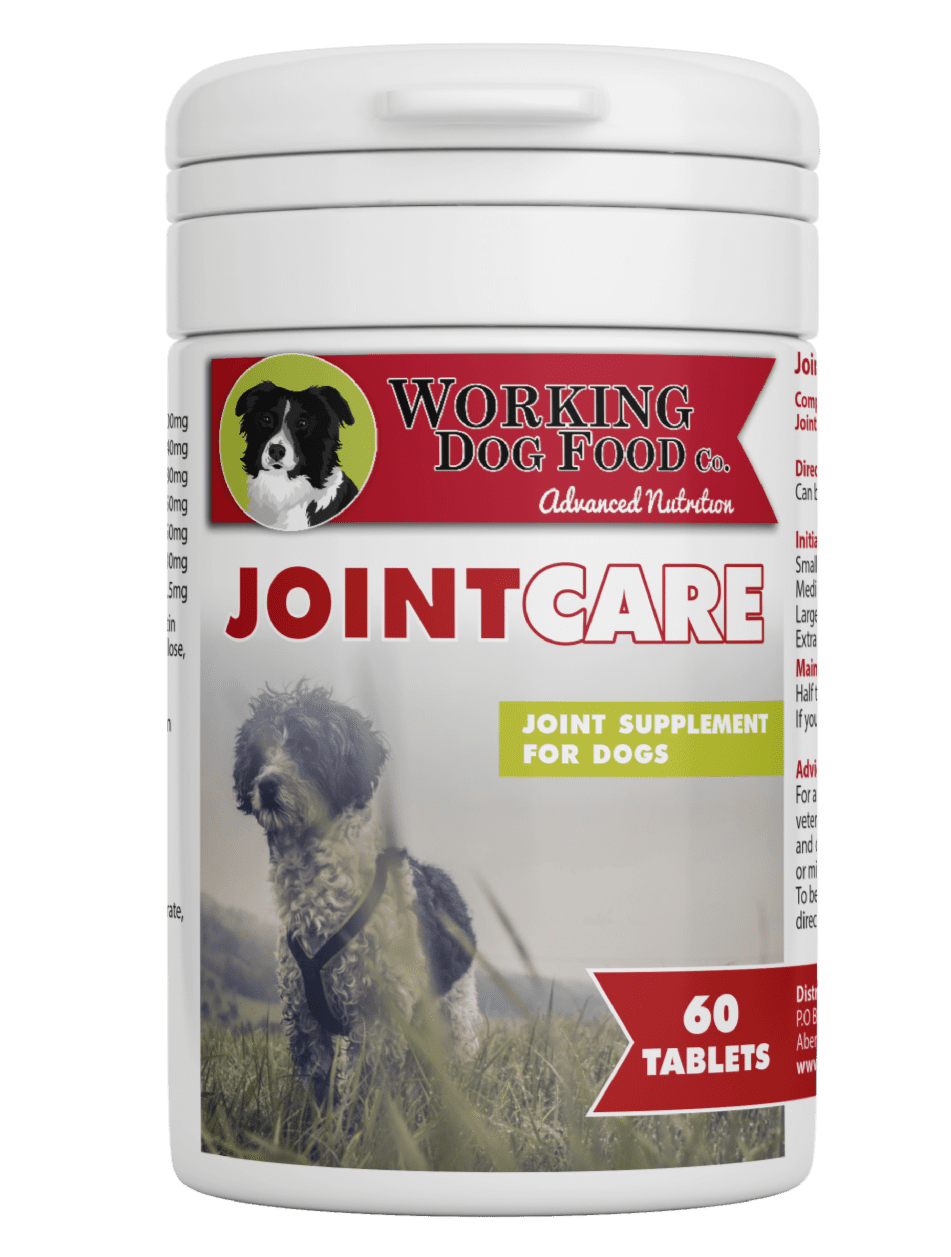


For more expert pet care tips and advice, check out our dedicated Dog Care guides to keep your companions healthy and happy.


