

According to the American Kennel Club (AKC), the Labrador Retriever has maintained its position as one of the most beloved dog breeds in the world for decades, known for intelligence and an eager-to-please temperament. Reaching the eight-month milestone brings a distinct shift in daily life with a canine companion. Household routines often get disrupted as physical growth accelerates and cognitive boundaries are tested. Recognizing the unique needs of this specific developmental stage allows caregivers to provide appropriate structure and support during a time of significant transition.
💡 Pet Care Key Takeaways:
- Core Focus: Practical health, nutrition, and wellness guidelines for Labrador Retriever 8 Months.
- Target Scope: Pet owners, animal caregivers, and veterinary support staff.
- Best Recommendation: Maintain consistent daily routines and consult an accredited veterinarian before introducing major diet or medical changes.
An eight-month Labrador Retriever is a canine adolescent undergoing rapid skeletal and hormonal maturation.
At eight months old, these retrievers are officially in their adolescence, roughly equivalent to a human teenager. Growth plates—the areas of growing tissue near the ends of the long bones in children and adolescents—are still open and vulnerable to high-impact injuries. Physically, a young Labrador may already look like an adult dog, often reaching near full height, but muscle mass and chest depth are still developing. Hormonal changes begin to surface around this age, frequently resulting in a temporary regression in previously mastered obedience skills. Understanding that this phase is entirely normal helps reduce frustration when adolescent testing behaviors emerge in the living room or out on walks. For more related activities, check out our Red Tibetan Mistiff.
Behavioral turbulence and joint vulnerability define the primary challenges of this growth window.
Adolescent dogs frequently display increased reactivity, selective listening, and intense bursts of boundless energy that can overwhelm unprepared households. Working in clinical practice, observing a lanky, long-legged Labrador struggle with impulse control is a daily occurrence, as their bodies outpace their emotional maturity. Joint health requires careful management right now because high-impact activities like repetitive jumping or forced running can cause long-term orthopedic damage. Maintaining appropriate exercise intensity protects developing joints while burning off excess mental and physical steam.
Large-breed puppies require controlled exercise and monitored calcium-to-phosphorus ratios to prevent developmental orthopedic diseases — American Kennel Club (AKC)
Channeling adolescent energy requires structured outlets and consistent reinforcement of boundaries.
Establishing a predictable daily schedule helps anchor a young dog through hormonal fluctuations and unpredictable focus spans. Interactive puzzle toys, scent games, and obedience sessions that last just a few minutes keep the brain engaged without overwhelming physical joints. During outdoor excursions, loose-leash walking practice must remain consistent, utilizing positive reinforcement techniques to reward calm behavior near distractions. Whenever an adolescent dog digs in their heels or pulls toward a distraction, patience and clear redirection yield far better results than harsh corrections.
Avoiding common management missteps ensures long-term behavioral stability and physical safety.
One frequent error involves allowing adolescent dogs excessive freedom off-leash in unsecured areas before solid recall reliability is established. Another common pitfall is overfeeding high-calorie formulas designed for rapid growth rather than balanced adolescent development, which can lead to rapid weight gain and added stress on developing elbows and hips. Furthermore, keeping dangerous items well out of reach is crucial; adolescent Labs are notorious for chewing and swallowing foreign objects, leading to costly gastrointestinal obstructions. Consulting a veterinarian regarding appropriate diet transitions ensures the growing body receives precise nutritional support.
Puppies exploring the world with their mouths are at high risk for ingesting foreign items, making environmental management essential — American Society for the Prevention of Cruelty to Animals (ASPCA)
Pet Care & Wellness Overview Table
| Life Stage | Daily Activity Level | Key Nutrition / Care Focus |
|---|---|---|
| Puppy / Kitten | High (frequent short bursts) | High-protein growth diet & early socialization |
| Adult Companion | Moderate (30–60 mins daily) | Balanced maintenance nutrition & dental hygiene |
| Senior Pets | Low to Gentle (mindful walks) | Joint support (Glucosamine) & routine vet checks |
Images References

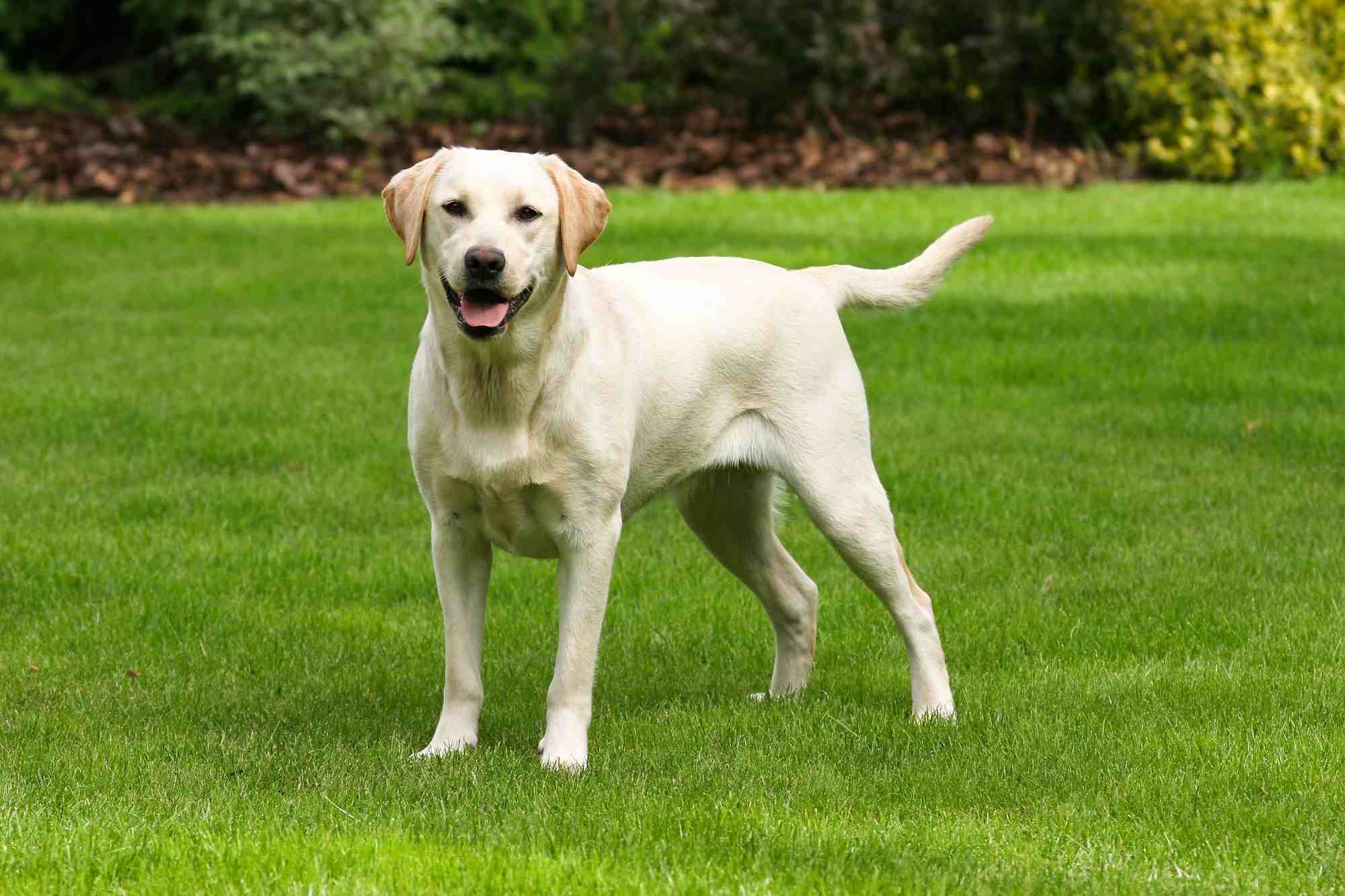
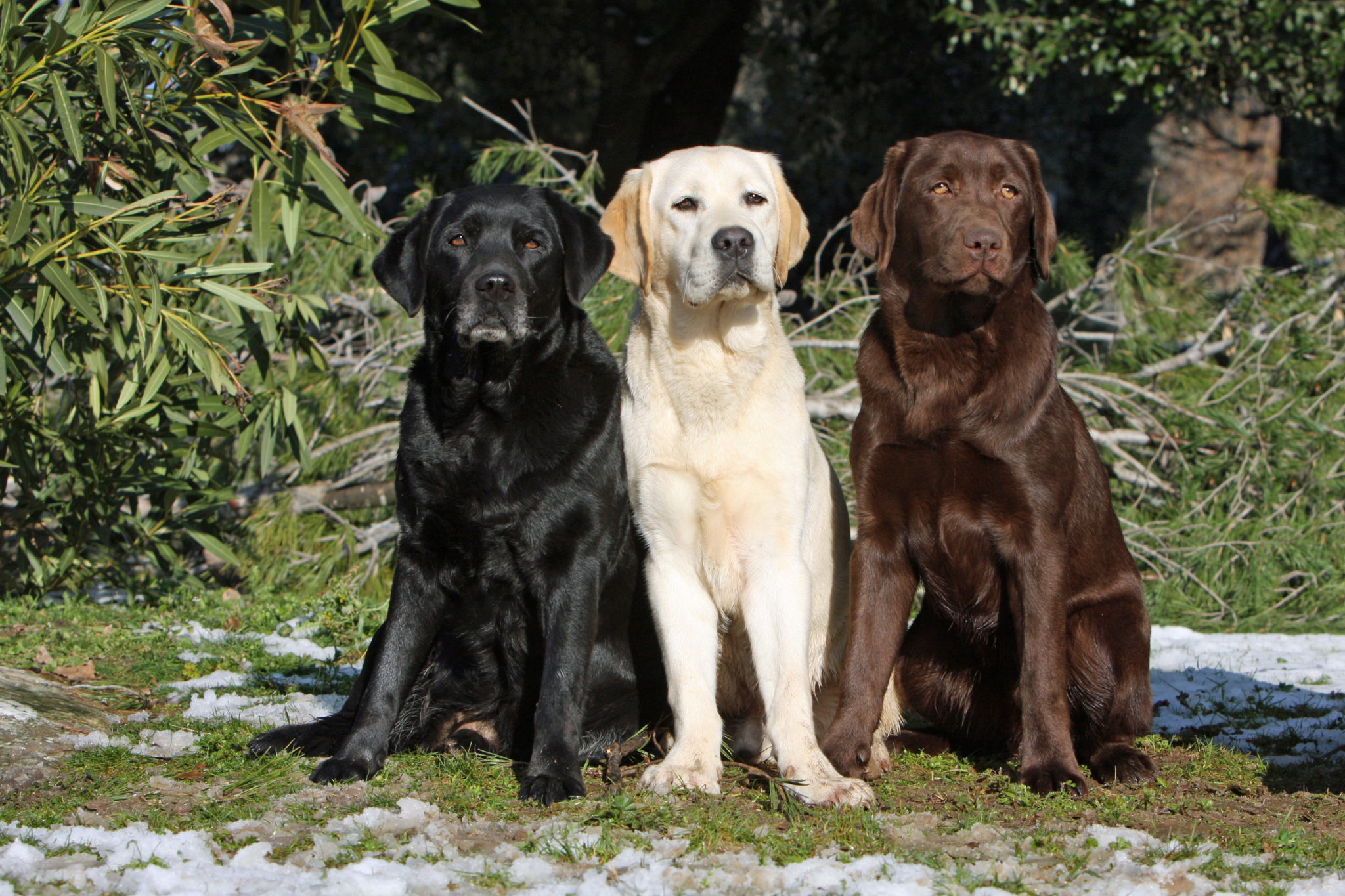


Breed-specific traits and coat changes demand specialized daily maintenance routines.
The iconic water-resistant double coat—consisting of a short, dense outer coat and a soft, insulating undercoat—begins to transition toward adult texture around eight months. Regular brushing with a slicker brush or undercoat rake helps manage the shedding cycle and prevents painful matting. Labs possess webbed toes and an inherent love for water, meaning ear inspections should be integrated into the grooming routine to prevent moisture-trapping infections. Mental stimulation remains just as important as physical grooming, as a bored retriever will readily invent its own forms of household entertainment.
Professional guidance becomes invaluable when persistent behavioral or physical concerns arise.
Consulting a veterinarian is necessary if sudden lameness, lethargy, or drastic changes in appetite appear during this crucial growth phase. For households struggling with severe reactivity, excessive jumping, or resource guarding, partnering with a certified professional trainer utilizing positive reinforcement methods prevents habits from becoming permanent adult problems. Early intervention by qualified professionals ensures that minor behavioral quirks do not escalate into complex management issues later in life.
Guiding an adolescent retriever through this formative period shapes a well-adjusted adult companion.
Supporting a young dog through the trials of adolescence requires immense patience, clear communication, and consistent boundaries. By focusing on balanced nutrition, safe exercise, and positive reinforcement, caregivers lay the groundwork for a lifelong bond. Explore more expert advice on Dog Training, proper nutrition through Dog Nutrition, and overall wellness via Dog Health on PetsAnimalsWorld.com to ensure a thriving canine companion.


